South African Fuel Cell Milestone Signals Momentum for Hydrogen Aviation
•February 10, 2026
0

Why It Matters
The validation proves South Africa can produce aviation‑grade hydrogen fuel‑cell components, unlocking a pathway to decarbonise aviation while leveraging the nation’s platinum‑group metal reserves and national hydrogen strategy.
Key Takeaways
- •South African MEA passes commercial UAV fuel‑cell test
- •Performance equals or surpasses existing commercial membranes
- •Enables hydrogen‑electric UAVs for border and maritime surveillance
- •Aligns with national hydrogen strategy and platinum‑group metal resources
- •Sets stage for localised production of aviation‑grade fuel cells
Pulse Analysis
Hydrogen‑electric propulsion is emerging as the most viable route to decarbonise aviation, especially for long‑duration, low‑speed missions where batteries fall short. South Africa’s abundant platinum‑group metal reserves give it a strategic advantage in fuel‑cell catalyst production, positioning the country to become a hub for next‑generation aviation power systems. By validating a locally engineered membrane electrode assembly within a certified UAV stack, the region demonstrates that advanced hydrogen technology can move beyond research labs into operational hardware, reinforcing the continent’s role in the global green‑hydrogen supply chain.
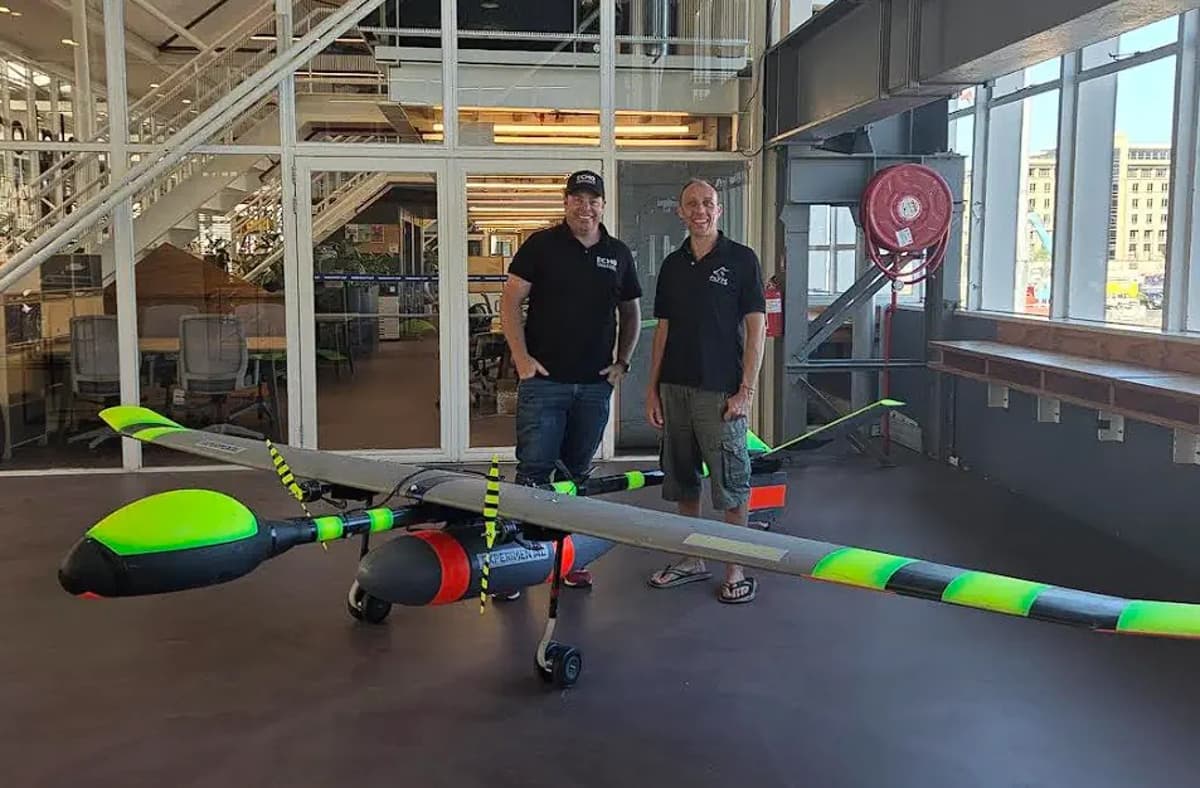
The technical breakthrough stems from a tightly coordinated effort: HySA Catalysis supplied the MEA, FlyH2 Aerospace integrated it into a Pragma Industries stack, and independent European testing confirmed performance parity with, and in some cases superiority to, established commercial membranes. This achievement translates into tangible operational benefits for unmanned aircraft, offering ultra‑low noise, minimal vibration, and a 25‑fold reliability boost over internal combustion engines. For security and surveillance operators, the resulting Dragonfly V platform can carry heavy sensor payloads for up to 22 hours, addressing Africa’s vast border and maritime monitoring challenges.
Looking ahead, the validated MEA unlocks a clear commercialization pathway. FlyH2 plans to acquire two 1.2 kW stacks and develop a full‑power hydrogen propulsion pod, while partnering with local airframe manufacturer Alti Unmanned to ensure aerospace‑grade production. Scaling these components domestically promises cost reductions, job creation, and export potential, aligning with South Africa’s net‑zero 2050 target. As green‑hydrogen projects mature in regions like Prieska and Coega, a reliable aviation off‑taker such as hydrogen‑powered UAVs will help close the loop, turning renewable energy into persistent, low‑emission flight capability across the continent.
South African Fuel Cell Milestone Signals Momentum for Hydrogen Aviation
0
Comments
Want to join the conversation?
Loading comments...