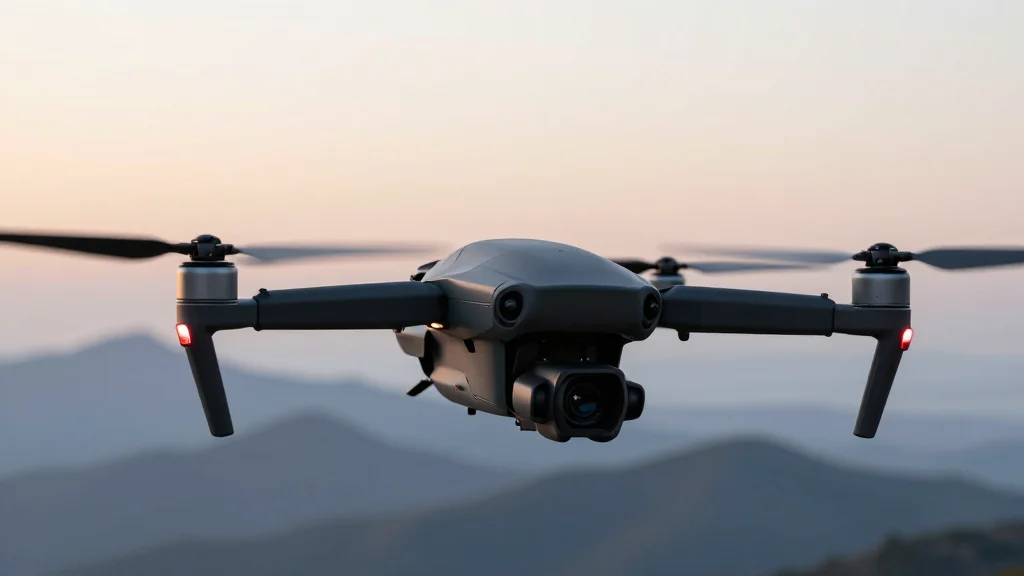
South Korea Launches $22 Million Program to Train 500,000 Drone Operators by 2026

Why It Matters
The Korean drone program illustrates how nations are leveraging robotics to redefine military readiness. By integrating unmanned systems at the conscript level, South Korea aims to create a force multiplier that can operate in contested environments with minimal risk to personnel. This approach could inspire similar large‑scale training models elsewhere, accelerating the diffusion of drone technology across both defence and civilian sectors. Regionally, the accelerated development of drone capabilities by both South and North Korea raises the stakes for East Asian security. As each side seeks to outpace the other, the proliferation of inexpensive, expendable UAVs may lower the threshold for kinetic engagements, potentially reshaping conflict dynamics on the peninsula and beyond.
Key Takeaways
- •South Korea approved a 33 billion‑won ($22 M) budget for 11,000 commercial drones and training infrastructure.
- •The programme targets training 500,000 conscripts as drone operators by 2026.
- •All drones must be built with domestic core components to curb reliance on Chinese suppliers.
- •North Korea progressed from prototype drones (Aug 2024) to truck‑mounted launchers (Oct 2025).
- •Non‑commissioned officer recruitment fell from 95 % (2020) to 42 % (2024), a key bottleneck for the training rollout.
Pulse Analysis
South Korea’s drone push is a textbook case of a mid‑size power using robotics to compensate for conventional force gaps. By democratizing drone piloting across the conscript pool, the military creates a distributed network of operators who can be rapidly mobilised for surveillance, target acquisition, or even kinetic strikes. This decentralised model reduces the need for a handful of highly trained pilots and spreads operational risk, a strategic advantage in a region where adversaries are fielding swarms of cheap UAVs.
Economically, the insistence on domestic components could catalyse a new generation of Korean UAV manufacturers, potentially challenging China’s current market share in the commercial sector. If successful, the program may generate a spillover effect, with trained operators moving into civilian industries that are hungry for drone expertise—agriculture, infrastructure inspection, and logistics. However, the programme’s reliance on a dwindling NCO cadre underscores a broader talent shortage in high‑tech defence roles, a problem that many allied nations will need to address as robotics become ever more central to warfare.
Strategically, the rapid parallel development of North Korean drone capabilities adds urgency to Seoul’s timeline. The proximity of two militaries fielding comparable unmanned arsenals could accelerate an arms race in autonomous weapons, raising the risk of miscalculation. International observers will be watching whether Seoul’s domestic‑first approach can deliver the promised capabilities on schedule, or whether supply‑chain constraints and training bottlenecks will force a recalibration of its drone strategy.
South Korea launches $22 Million program to train 500,000 drone operators by 2026
Comments
Want to join the conversation?
Loading comments...