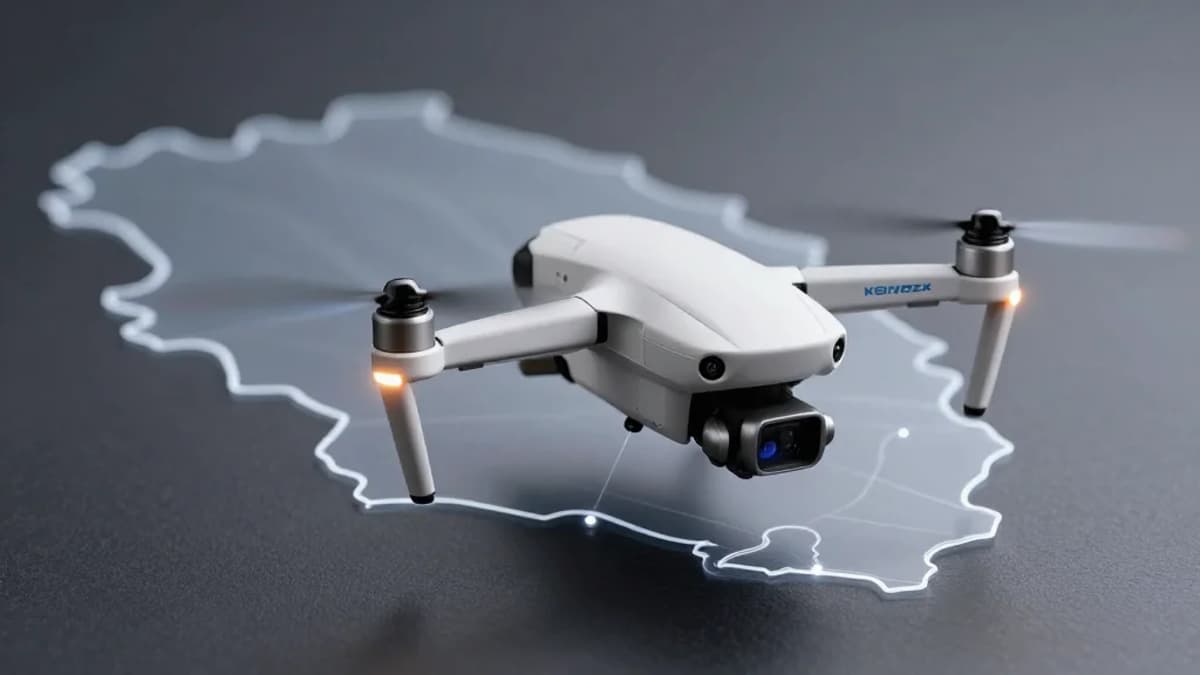
Sphere Calls for Rapid, Scalable Deployment of Autonomous Drone Surveillance to Protect NSW Beachgoers
•January 20, 2026
0

Companies Mentioned


Why It Matters
Persistent autonomous surveillance can dramatically shorten shark detection times, enhancing public safety while reducing the operational burden on volunteer surf lifesavers. The initiative also bolsters local high‑tech manufacturing and sovereign capability in autonomous aviation.
Key Takeaways
- •Current drone patrols cover fewer than 50 beaches
- •Autonomous HubX/HubT units operate BVLOS across coastlines
- •Scalable system frees volunteers for core lifesaving duties
- •Local manufacturing supports Australian jobs and sovereign tech
- •Live video feeds enable faster beach closures and alerts
Pulse Analysis
Shark encounters along New South Wales’ shoreline have surged, exposing gaps in the state’s traditional risk‑management framework. While SMART drumlines and limited drone patrols form part of the existing strategy, they fall short during off‑peak seasons, after heavy rainfall, or when volunteer resources are stretched. Deploying autonomous, BVLOS‑approved drones offers a technology‑driven answer, delivering continuous daylight surveillance across hundreds of kilometres without the logistical constraints of manual launches.
Sphere’s HubX and HubT platforms embody this shift, combining rugged, self‑contained launch stations with AI‑enhanced video analytics that relay real‑time footage to a central operations centre. By automating flight paths and centralising monitoring, the system can oversee multiple beaches simultaneously, flagging shark sightings within seconds and issuing precise alerts to lifeguards. This rapid response capability not only improves swimmer safety but also enables more nuanced beach‑closure decisions, minimizing unnecessary disruptions to tourism and local economies.
Beyond safety, the proposal carries broader economic and strategic implications. All hardware is designed, engineered and assembled in NSW, reinforcing domestic supply chains and creating skilled jobs in autonomous aviation. The BVLOS regulatory approvals already secured by Sphere eliminate a major deployment hurdle, allowing the government to scale the solution quickly during school holidays or after storm events. In essence, the initiative aligns public‑safety objectives with sovereign technology development, positioning New South Wales as a leader in maritime risk mitigation through advanced drone operations.
Sphere calls for rapid, scalable deployment of autonomous drone surveillance to protect NSW beachgoers
0
Comments
Want to join the conversation?
Loading comments...