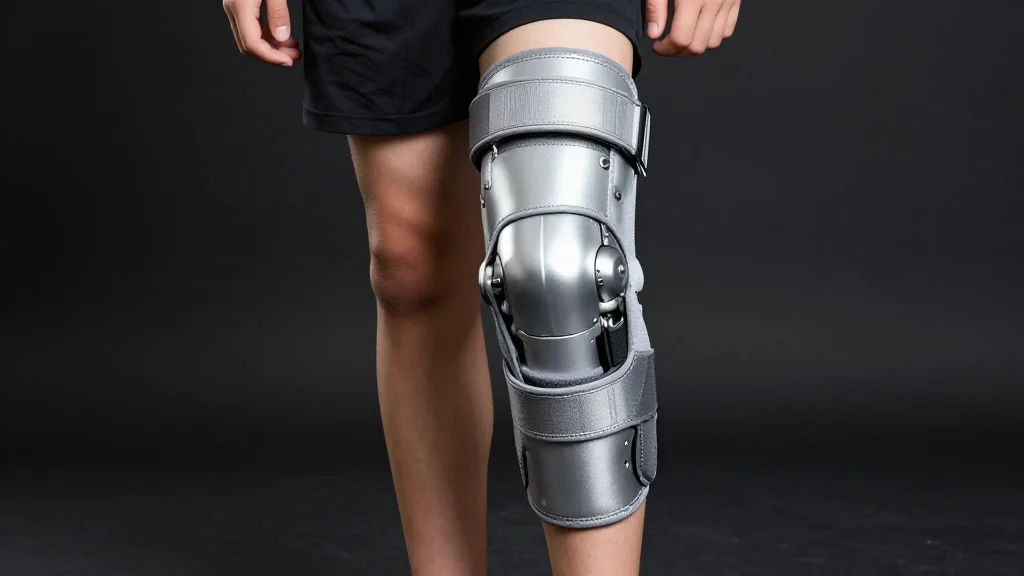
Spinal Neuromotor Rehabilitation Using a Portable Isokinetic Training Robot
Why It Matters
The study demonstrates that lightweight, home‑compatible robotics can achieve clinically meaningful, durable improvements for SMA patients, opening a new pathway for cost‑effective neurorehabilitation.
Key Takeaways
- •0.96 kg robot delivers isokinetic resistance for SMA type II
- •Six‑week trial improved sit‑to‑stand knee angle by 7°
- •Peak knee torque rose 130%; ROM increased 51%
- •Quadriceps cross‑sectional area grew 12%; volume 19%
- •Gains persisted after returning to standard physiotherapy
Pulse Analysis
Spinal muscular atrophy (SMA) type II remains a therapeutic challenge because affected children lose lower‑extremity strength faster than conventional physiotherapy can restore it. Most existing assist‑ive robots focus on gait assistance, offering continuous support without stimulating the neuromuscular system to adapt. The new portable isokinetic training robot bridges that gap by delivering controlled resistance while remaining light enough for home use, a design that could democratize access to high‑intensity rehabilitation outside specialized clinics.
In the six‑week trial, six juvenile participants experienced rapid functional gains: a 7° reduction in seated knee‑flexion angle, a 130% jump in peak knee torque, and a 51% expansion in range of motion. Muscle imaging revealed quadriceps cross‑sectional area growth of 12% and volume increases of 19%, while femoral nerve conduction improved by 19%, indicating genuine neuromuscular remodeling. Crucially, these improvements persisted after the robot was removed and participants resumed standard physiotherapy, suggesting that short‑term, high‑intensity isokinetic exposure can re‑program motor pathways for lasting benefit.
The implications extend beyond SMA. Wearable, back‑drivable robots could be adapted for other neuromuscular disorders such as cerebral palsy or post‑stroke rehabilitation, where portable strength training is scarce. With a projected global market for rehabilitation robotics exceeding $10 billion by 2030, investors and device manufacturers are likely to explore scalable production and regulatory pathways for similar devices. Future research will need larger, multi‑center trials to confirm efficacy and to refine protocols, but the study sets a precedent for integrating lightweight, isokinetic robotics into everyday therapeutic regimens.
Spinal neuromotor rehabilitation using a portable isokinetic training robot
Comments
Want to join the conversation?
Loading comments...