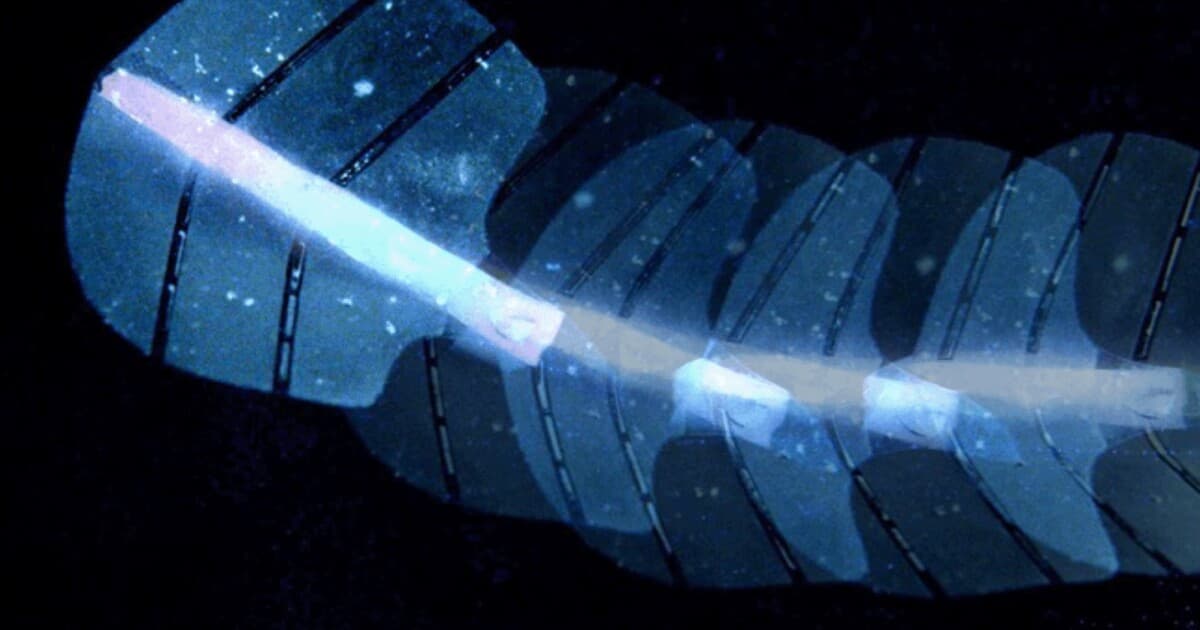
'Stingraybot' Uses Microbubble Muscles Controlled by Ultrasound
•December 23, 2025
0
Why It Matters
Cable‑free, ultrasound‑powered actuation offers precise, low‑impact manipulation for medical and biological robotics, opening new pathways for minimally invasive procedures and in‑body drug delivery.
Key Takeaways
- •Ultrasound drives microbubble muscles without cables or batteries
- •4 cm stingraybot mimics natural undulatory swimming
- •Gripper captured zebrafish larvae unharmed, showing gentle handling
- •Wheel‑bot navigated pig intestine’s complex labyrinth
- •Medication patches deliver dyes precisely on curved tissues
Pulse Analysis
The stingraybot represents a paradigm shift in soft robotics by replacing traditional electric actuators with acoustic‑driven artificial muscles. By trapping air in sub‑millimetre pores, the silicone membrane forms micro‑bubbles that expand or contract when hit by focused ultrasound. This method delivers millisecond‑scale response times and eliminates the need for onboard power sources, addressing one of the biggest constraints in miniature underwater and biomedical robots. The technology’s scalability also suggests potential extensions to larger platforms that require silent, remote actuation.
Medical researchers are particularly excited about the system’s gentle yet precise motion control. The demonstrated gripper can manipulate delicate organisms, such as zebrafish larvae, without causing trauma, indicating suitability for microsurgical tasks like tissue biopsy or cell sorting. Likewise, the wheel‑bot’s successful navigation through a pig’s convoluted intestines showcases the ability to traverse confined, irregular biological pathways, paving the way for capsule endoscopy tools that can actively steer, sample, or treat lesions. Ultrasound‑activated drug‑delivery patches further illustrate how the same principle can localize therapeutics on curved tissue surfaces, improving dosage accuracy while reducing systemic side effects.
From a commercial perspective, the cable‑free, battery‑free design lowers manufacturing complexity and extends operational lifespan, making the technology attractive to both medical device firms and marine‑inspection companies. However, challenges remain, including ensuring consistent bubble performance across varied fluid environments and scaling ultrasound delivery for deeper tissue penetration. Ongoing collaborations between acoustic engineers, clinicians, and regulatory bodies will be crucial to translate these laboratory successes into market‑ready products that could redefine minimally invasive care and autonomous underwater exploration.
'Stingraybot' uses microbubble muscles controlled by ultrasound
0
Comments
Want to join the conversation?
Loading comments...