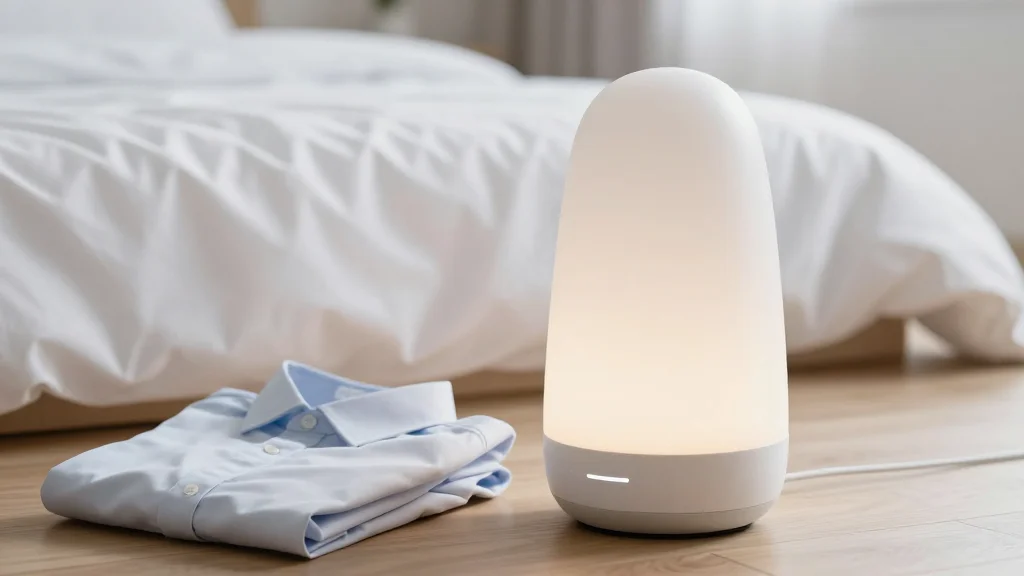
Syncere’s $1,500 ‘Laundry‑Folding Lamp’ Faces Skepticism as a Doomed Robotics Venture

Why It Matters
The Lume launch illustrates the broader challenge of monetizing narrow‑scope home robots. As robotics hardware costs decline, the hurdle shifts to creating compelling, repeatable use cases that justify premium pricing. Syncere’s attempt highlights the tension between consumer curiosity and practical adoption, a dynamic that will shape funding decisions and product strategies across the sector. If Lume fails to gain traction, it could reinforce investor wariness toward boutique robotics startups, steering capital toward platforms with broader applications such as warehouse automation, autonomous vehicles, and AI‑enhanced service robots. Conversely, a successful niche product could prove that specialized, design‑forward robots have a viable market, encouraging more boutique ventures to pursue similar paths.
Key Takeaways
- •Syncere unveiled Lume, a lamp‑shaped robot priced at $1,500.
- •The company promises shipments within eight weeks after a live demo in Palo Alto.
- •Lume can fold shirts, make beds, and hover while users draw.
- •Industry experts compare Lume to LG’s CLOiD robot, noting technical and cost challenges.
- •The launch underscores investor skepticism toward niche consumer robotics.
Pulse Analysis
Syncere’s Lume is a textbook case of product‑centric hype outpacing market reality. The robot’s design—combining a familiar lamp form factor with limited chore‑automation—aims to lower the psychological barrier to adoption. Yet the $1,500 price tag places it in a bracket where consumers expect robust, multi‑functional devices, not a single‑task novelty. Historically, the consumer robotics space has been dominated by products that either solve a pervasive problem (e.g., robotic vacuums) or integrate seamlessly into existing ecosystems (e.g., smart speakers). Lume falls short on both counts.
From a funding perspective, the timing is precarious. Venture capital in 2026 has gravitated toward AI‑driven industrial solutions that promise clear ROI and scalable revenue streams. Boutique startups that cannot demonstrate a path to mass market or a diversified product pipeline struggle to secure follow‑on capital. Syncere’s reliance on a high‑visibility demo in Palo Alto suggests a bet on media buzz rather than a solid go‑to‑market strategy. If early adopters report reliability issues—a common fate for early‑stage folding robots—the brand could quickly lose credibility.
Looking ahead, the Lume experiment will serve as a data point for investors assessing the viability of niche home‑automation robots. Success would validate a market for premium, design‑focused gadgets that blend aesthetics with limited functionality. Failure, however, would likely accelerate the consolidation of consumer robotics around a few proven categories, pushing innovators toward broader, AI‑enabled platforms that can address multiple household tasks with a single hardware base. The outcome will shape how capital flows into the next generation of home robots.
Syncere’s $1,500 ‘Laundry‑Folding Lamp’ Faces Skepticism as a Doomed Robotics Venture
Comments
Want to join the conversation?
Loading comments...