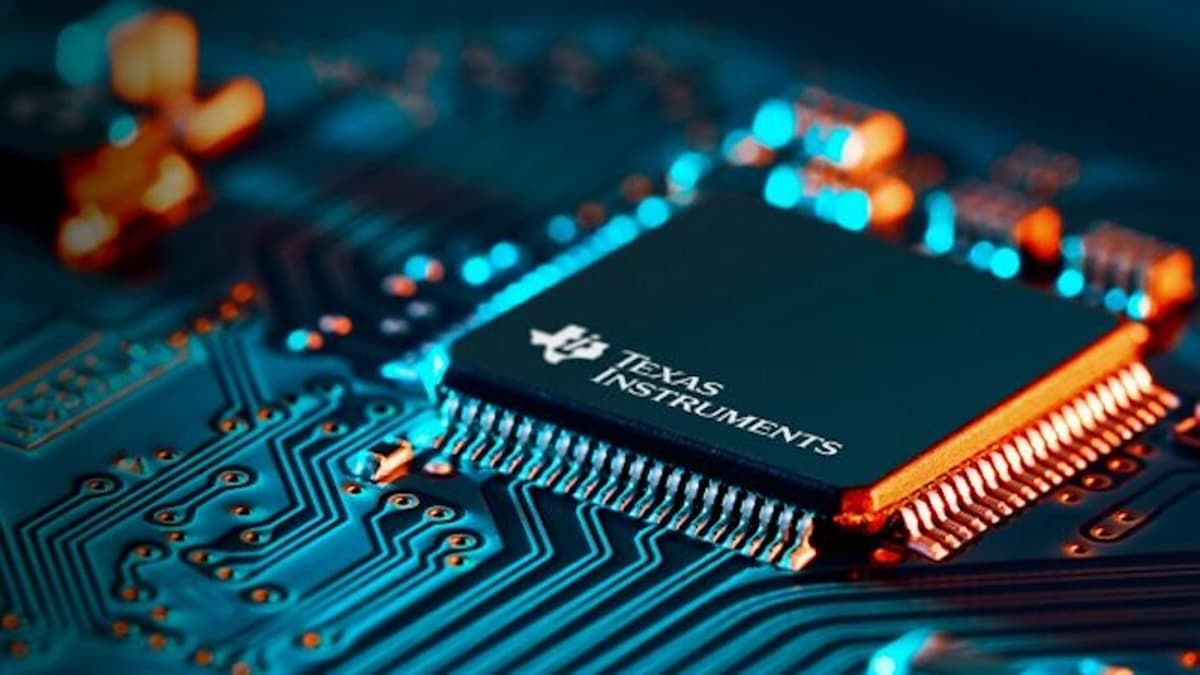
Texas Instruments Interview: The Hidden Engineering Challenges Behind Humanoid Robots
Companies Mentioned
Why It Matters
By providing the semiconductor foundation for reliable, safe, and energy‑efficient humanoids, TI can speed the shift from demonstration units to commercial deployments, opening new markets in manufacturing, logistics, and services.
Key Takeaways
- •TI’s C2000 chips enable sub‑microsecond motor control loops
- •GaN power stages improve efficiency, reducing heat in compact robot joints
- •Integrated radar‑vision fusion enhances perception in variable lighting
- •Ecosystem co‑optimization with Nvidia and Apptronik tackles latency‑power tradeoffs
Pulse Analysis
The race to commercialize humanoid robots is no longer a pure software challenge; it hinges on the underlying hardware that can deliver deterministic, low‑latency performance at scale. Semiconductor firms like Texas Instruments bring decades of expertise in analog front‑ends, power management, and embedded processing, creating the "physical AI" stack that bridges perception, decision‑making, and actuation. As robot manufacturers move beyond controlled labs, they need chips that can handle high‑bandwidth sensor streams, execute control loops in microseconds, and manage power spikes without overheating—capabilities that TI’s portfolio is uniquely positioned to provide.
Key technical hurdles include robust perception under diverse lighting, real‑time sensor fusion, and maintaining thermal efficiency in compact form factors. TI’s C2000 microcontrollers execute current‑control loops in under one microsecond, enabling precise force‑position hybrid control essential for dexterous manipulation. Meanwhile, GaN‑based power stages deliver higher power density with lower losses, shrinking the thermal envelope of robot joints and hands. The integration of mmWave radar such as the IWR6243 complements vision systems, offering reliable depth and motion data even in dusty or low‑light environments. Together, these components form a tightly coupled hardware ecosystem that supports end‑to‑end functional safety—a prerequisite for robots operating alongside humans.
Looking ahead, ecosystem partnerships will be decisive. Collaborations between TI, compute leaders like Nvidia, and robot builders such as Apptronik facilitate co‑optimization of hardware and software, addressing latency‑power tradeoffs and simplifying system integration. As the industry meets three milestones—repeatable task execution, all‑day operation, and cost‑effective modular designs—humanoid robots will transition from pilot projects to everyday tools in factories, warehouses, and service venues. TI’s role as a semiconductor backbone positions it to capture a growing share of the emerging market, driving both innovation and revenue in the next wave of automation.
Texas Instruments interview: The hidden engineering challenges behind humanoid robots
Comments
Want to join the conversation?
Loading comments...