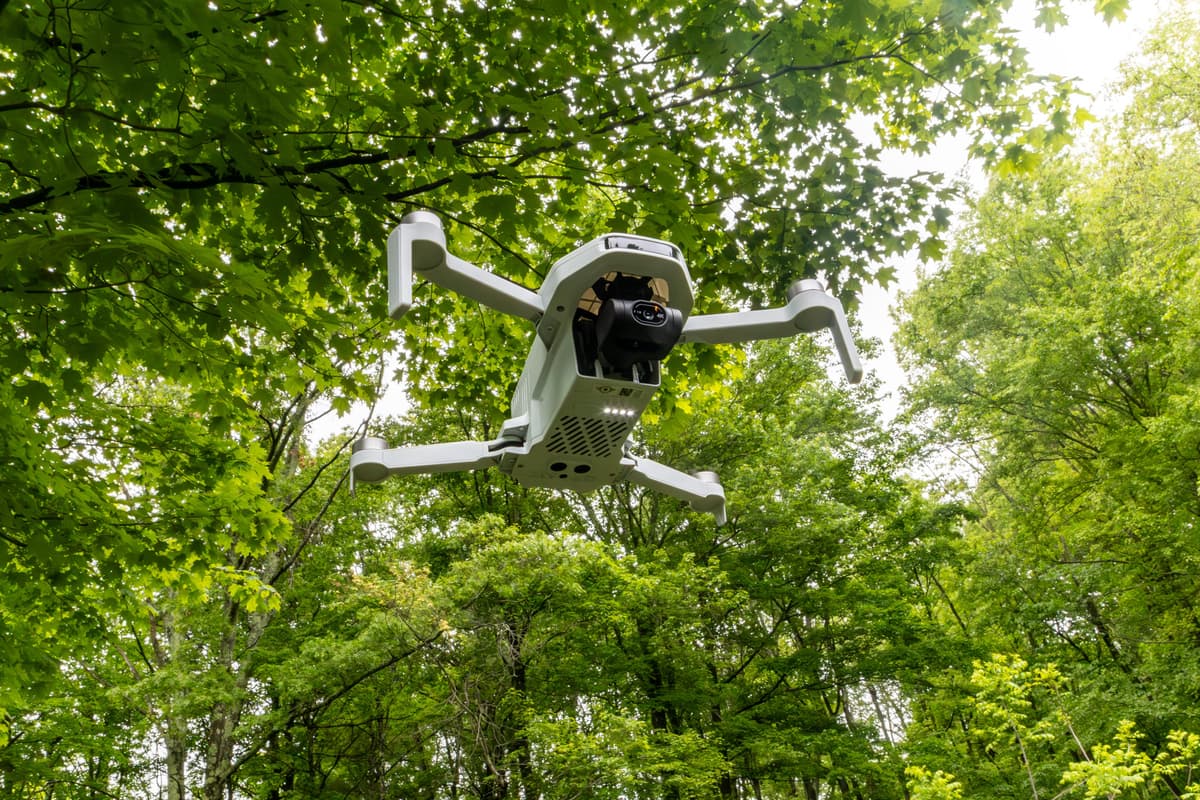
The 6 Best Drones, Tested by Popular Mechanics
Why It Matters
The rankings help buyers match performance and price while the FCC ban forces a shift toward domestic manufacturers, reshaping the competitive landscape.
Key Takeaways
- •DJI Mini 4 offers 31‑min flight, 4K/60fps camera
- •Hoverair X1 folds pocket‑size, but only 11‑min flight
- •Mavic 4 Pro Creator Combo provides 51‑min flight, 25‑mi range
- •U.S. FCC bans new foreign drones, affecting Chinese manufacturers
- •Professional drones exceed $1,500, delivering advanced sensors and wind resistance
Pulse Analysis
The consumer drone market continues to expand as hobbyists and content creators seek higher image quality without sacrificing portability. DJI dominates the segment with the Mini 4, which packs a 4K/60 fps sensor and a one‑hour total flight envelope into a sub‑250‑gram frame, making it FAA‑compliant for recreational pilots. Mid‑range models like the Hoverair X1 and its Promax variant appeal to adventure sports enthusiasts who value foldable designs and autonomous flight modes, though their limited battery life caps endurance. For professionals, the Mavic 4 Pro Creator Combo sets a benchmark with a 51‑minute flight time, 25‑mile control radius, and a three‑camera stack that supports cinematic workflows, justifying its premium price tag.
Regulatory headwinds are reshaping supply dynamics. In December 2025 the FCC added foreign‑made UAVs to its covered equipment list, effectively banning new imports from Chinese manufacturers such as DJI. Existing inventory remains sellable, but future product pipelines must pivot to U.S. or allied‑country sources. This policy accelerates investment in domestic drone platforms and may spur innovation in modular designs, AI‑driven navigation, and tighter integration with American communication standards. Early adopters should verify that any newly purchased model complies with the latest FCC rulings to avoid compliance penalties.
Buying decisions now hinge on three factors: intended use, budget, and regulatory compliance. Casual flyers should prioritize obstacle‑avoidance sensors, durable frames, and smartphone‑friendly controls, while seasoned pilots may gravitate toward FPV rigs with low‑latency video links. High‑end creators need robust wind resistance, interchangeable lenses, and extended flight times, often exceeding $1,500. As AI‑assisted tracking and autonomous filming modes mature, the next wave of drones will blur the line between consumer convenience and professional capability, making it essential for buyers to stay informed about both technology trends and evolving U.S. regulations.
The 6 Best Drones, Tested by Popular Mechanics
Comments
Want to join the conversation?
Loading comments...