The Download: Pokémon Go to Train World Models, and the US-China Race to Find Aliens
•March 11, 2026
0
Why It Matters
Accurate world models could unlock scalable robot delivery services, while China’s Mars push may reshape global leadership in planetary science and related high‑tech sectors.
Key Takeaways
- •Niantic Spatial leverages 500M Pokémon Go users' data
- •World models bridge LLMs with physical environments
- •Robots gain centimeter‑level navigation accuracy
- •China accelerates Mars sample‑return, challenging NASA
- •Space rivalry may reshape global tech investment
Pulse Analysis
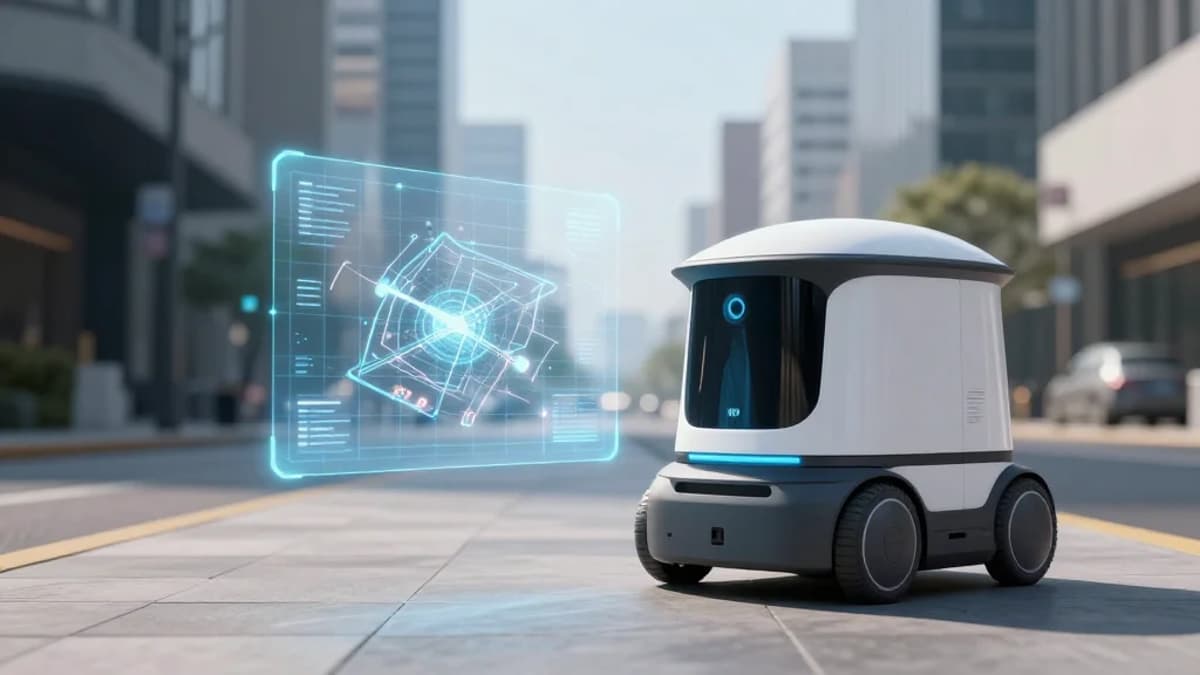
The convergence of augmented‑reality gaming and artificial intelligence is creating a novel data pipeline for robotics. By harvesting the geospatial footprints left by half a billion Pokémon Go players, Niantic Spatial builds a high‑resolution world model that anchors language‑based AI to physical reality. This hybrid approach reduces the perception gap that has long hampered autonomous delivery fleets, promising faster, safer last‑mile logistics in dense cityscapes.
Beyond the streets, the same data‑centric mindset is influencing how nations approach planetary science. The United States’ Mars Sample Return effort, once a flagship of deep‑space ambition, now faces budgetary and technical setbacks, leaving a critical window open for China. Beijing’s accelerated timeline not only aims to secure the first Martian rocks on Earth but also to claim scientific primacy in the search for extraterrestrial life, a status that can translate into soft power and technology export advantages.
Both stories illustrate a broader shift: real‑world data is becoming a strategic asset. Whether it’s crowdsourced AR maps that teach robots to navigate sidewalks or planetary samples that could redefine humanity’s place in the cosmos, the ability to collect, process, and apply physical information is a competitive differentiator. Companies and governments that master this loop will likely dominate emerging markets in autonomous services, space exploration, and the next wave of AI‑driven innovation.
The Download: Pokémon Go to train world models, and the US-China race to find aliens
0
Comments
Want to join the conversation?
Loading comments...