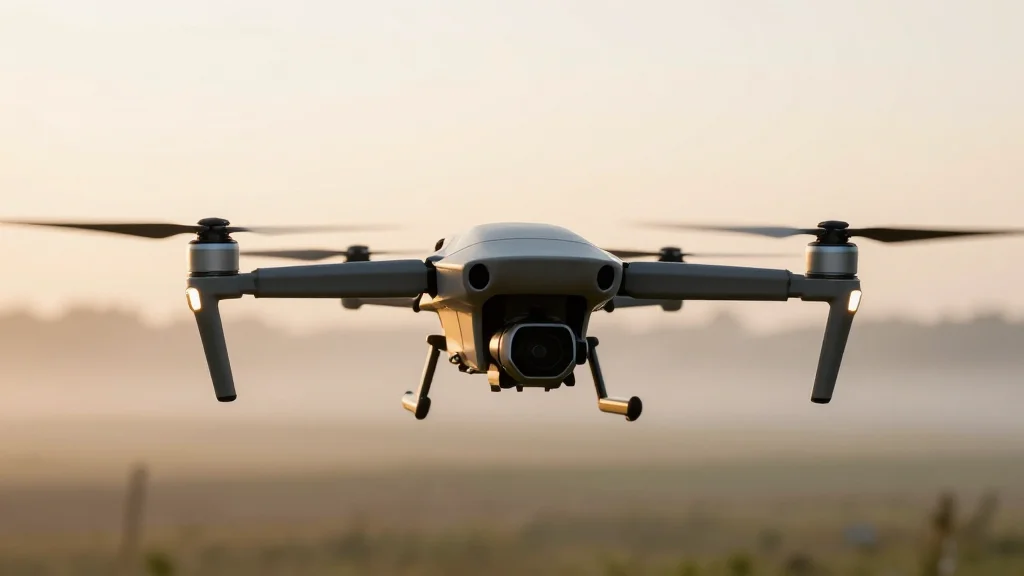
The Future of Drone Tech: Hybrid Drones
Key Takeaways
- •Hybrid drones achieve 100 km range, double previous Ukrainian drone reach
- •Payload capacity rises modestly thanks to added lift from detachable wings
- •Extended range threatens Russian logistics beyond 50‑60 km front line
- •Russia likely to develop electronic‑warfare countermeasures soon
Pulse Analysis
The Ukraine war has become a proving ground for unmanned aerial systems, with early adopters experimenting across the spectrum from hobby‑grade FPV quadcopters to long‑range fixed‑wing strike platforms. Quadcopters excel at precision hover and low‑altitude targeting but are hampered by limited endurance, typically 2‑5 km in early stages of the conflict. Fixed‑wing drones, by contrast, can glide for hundreds of miles and carry payloads exceeding 100 lb, yet they suffer from reduced real‑time control and vulnerability to electronic interference. The emergence of hybrid drones—essentially quadcopters equipped with detachable wings—offers a synthesis of these strengths, delivering both maneuverability and extended glide capability.
Operationally, the hybrid design translates into a dramatic expansion of strike distance, now reaching roughly 100 km, which is twice the range Ukrainian forces enjoyed just weeks earlier. This leap allows operators to launch attacks from well behind the front line, targeting supply depots, fuel caches, and command nodes that were previously out of reach. The added wing surface also marginally boosts lift, enabling payloads of 5‑10 lb, sufficient for precision munitions or sensor packages. As a result, Russian logistical corridors within a 50‑60 km buffer around the front are increasingly exposed, forcing a reallocation of defensive assets and complicating resupply efforts.
Looking ahead, the hybrid drone concept is likely to accelerate adoption beyond the battlefield, influencing both commercial UAV development and next‑generation military procurement. Adversaries will prioritize electronic‑warfare solutions—such as jamming, spoofing, and directed‑energy weapons—to neutralize the extended control links these systems rely on. Meanwhile, manufacturers are expected to refine modular wing attachments, improve battery energy density, and integrate autonomous navigation to mitigate signal loss. For policymakers and defense planners, the rapid iteration cycle demonstrated in Ukraine underscores the need for agile acquisition strategies and robust counter‑UAV doctrines, as the line between hobbyist tech and strategic weaponry continues to blur.
The Future of Drone Tech: Hybrid Drones
Comments
Want to join the conversation?