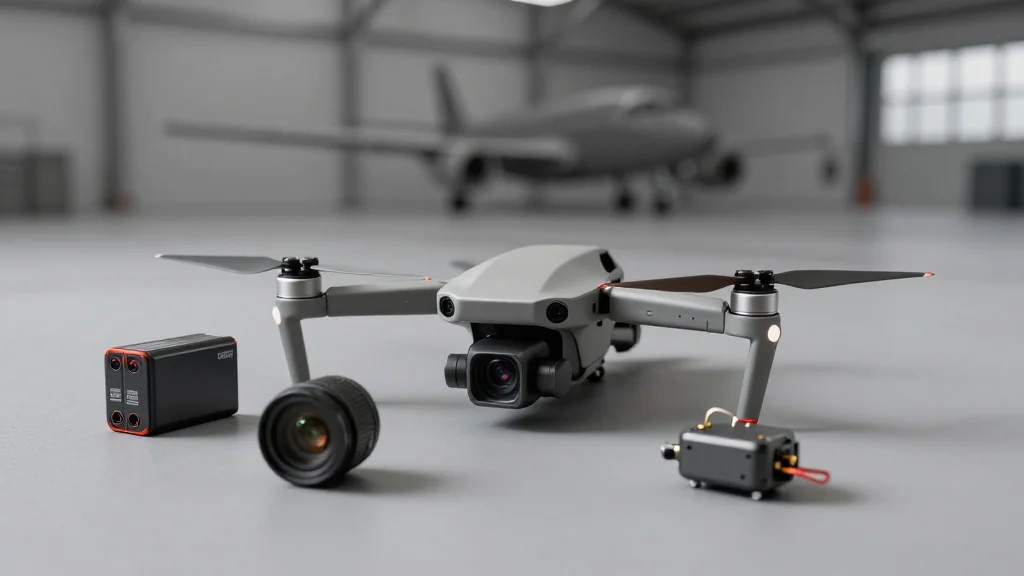
The Shift Away From Chinese Drone Technology Presents Supplier Opportunities
Why It Matters
Reducing reliance on Chinese drone components strengthens national security and creates a lucrative export market for Western manufacturers. The transition reshapes the defense supply chain and drives innovation in UAV technology.
Key Takeaways
- •Europe accelerates domestic drone programs to replace Chinese models
- •US seeks non‑Chinese components for UAVs, targeting motors, cameras, batteries
- •Ukraine war fuels rapid growth in military drone market
- •Cost and supply chain security drive shift toward trusted manufacturers
Pulse Analysis
The dependence on DJI’s Phantom series has long been a blind spot for Western armed forces, exposing them to potential supply‑chain disruptions and intelligence risks. Recent policy reviews in the EU and the United States have highlighted the strategic need for home‑grown alternatives, prompting governments to allocate funding for research, testing, and certification of indigenous UAV platforms. By diversifying sources, allies aim to safeguard critical missions while fostering a competitive industrial base that can respond to evolving battlefield requirements.
European initiatives are moving from concept to production at an unprecedented pace. Programs such as the EU’s "Secure Drone Initiative" and national projects in France, Germany, and the Netherlands are leveraging existing aerospace expertise to develop modular, low‑cost drones that can be rapidly fielded. These efforts are complemented by private‑sector partnerships that integrate advanced sensor suites and AI‑driven navigation, positioning Europe to capture a share of the projected $12 billion global military drone market by 2030. The focus on interoperability ensures that new platforms can operate alongside NATO allies, reinforcing collective defense.
Across the Atlantic, the U.S. Department of Defense has issued directives to eliminate Chinese‑origin components from critical UAVs, targeting supply‑chain nodes such as motor manufacturers, camera modules, and battery cells. This push is spurring domestic firms and trusted allies to scale production, but it also raises cost concerns; American-made parts can be 20‑30% more expensive than their Chinese counterparts. Nevertheless, the long‑term benefits of supply‑chain security and the potential for export growth to partner nations are driving policymakers to accept higher short‑term expenditures. As the geopolitical landscape evolves, the transition away from Chinese drone tech is set to redefine the competitive dynamics of the global UAV industry.
The shift away from Chinese drone technology presents supplier opportunities
Comments
Want to join the conversation?
Loading comments...