The Strategic Value of Legacy Components in Automation
•January 8, 2026
0
Why It Matters
Legacy automation components safeguard production uptime and capital efficiency, making them critical for competitive, sustainable manufacturing.
Key Takeaways
- •Total system overhauls incur hidden downtime and training costs
- •Proven legacy PLCs offer predictable reliability over new units
- •Proactive spare part stocking cuts reactive maintenance expenses
- •Edge gateways enable IIoT data from older controllers
- •Extending equipment life supports sustainability and circular economy
Pulse Analysis
Manufacturers today face a paradox: the lure of AI‑powered robots and hyper‑connected IIoT networks collides with the reality of decades‑old control hardware still powering critical lines. Decision‑makers must weigh the headline‑grabbing benefits of new technology against the hidden expenses of full‑scale upgrades—extended shutdowns, costly software migration, and extensive retraining. By recognizing legacy PLCs and drives as cost‑effective workhorses, firms can preserve operational continuity while allocating capital to higher‑impact initiatives such as predictive analytics and flexible automation.
Effective obsolescence management transforms a potential liability into a competitive advantage. Auditing installed equipment, identifying end‑of‑life risks, and stockpiling verified spares dramatically reduces the financial shock of unexpected failures. Independent distributors and reputable gray‑market channels provide access to discontinued parts, often with testing protocols and warranties comparable to OEMs. This strategic sourcing mitigates supply‑chain disruptions and enables manufacturers to maintain legacy systems without compromising reliability or compliance.
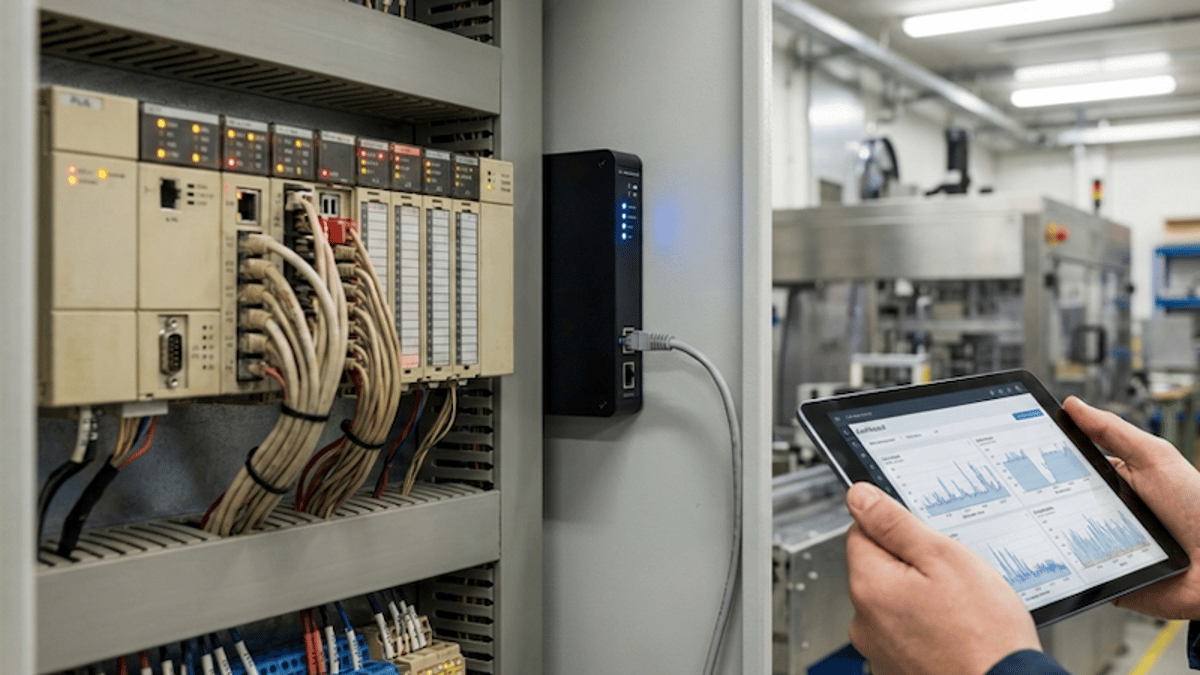
Looking ahead, hybrid retrofitting will define the next wave of smart factories. Edge gateways and protocol converters can wrap legacy controllers, exposing serial data to MQTT or OPC UA streams without altering proven control logic. This "wrap‑and‑extend" approach accelerates data collection, fuels condition‑based monitoring, and aligns with circular‑economy goals by extending equipment lifespans. Companies that blend legacy reliability with incremental IIoT integration will achieve a balanced, sustainable path to Industry 4.0, delivering both financial prudence and environmental stewardship.
The Strategic Value of Legacy Components in Automation
0
Comments
Want to join the conversation?
Loading comments...