This Lightweight Exoskeleton Lets You Unleash Your Inner Tony Stark Thanks to AI
•January 21, 2026
0
Why It Matters
By bringing real‑time AI gait assistance to a consumer‑grade form factor, the π6 could expand exoskeleton adoption beyond industrial and medical niches, offering mobility support for seniors and rehab patients. Its success may signal broader market demand for wearable robotics that blend AI with lightweight design.
Key Takeaways
- •Vigx π6 weighs 2 kg, folds like an umbrella.
- •AI processor adjusts power every 30 ms for terrain.
- •Supports up to 40 km movement in Ultra model.
- •Targeted at consumers, seniors, rehab, light fitness.
- •Launch scheduled for June 2026, price undisclosed.
Pulse Analysis
The exoskeleton market has long been dominated by bulky, industrial‑grade units designed for factories or clinical rehabilitation. Recent advances in sensor miniaturization and artificial‑intelligence chips are reshaping that landscape, enabling manufacturers to envision wearable devices that feel more like accessories than machinery. Consumers are beginning to see value in mobility‑enhancing wearables for everyday activities, from navigating city sidewalks to tackling weekend hikes, prompting a shift toward lighter, user‑friendly designs.
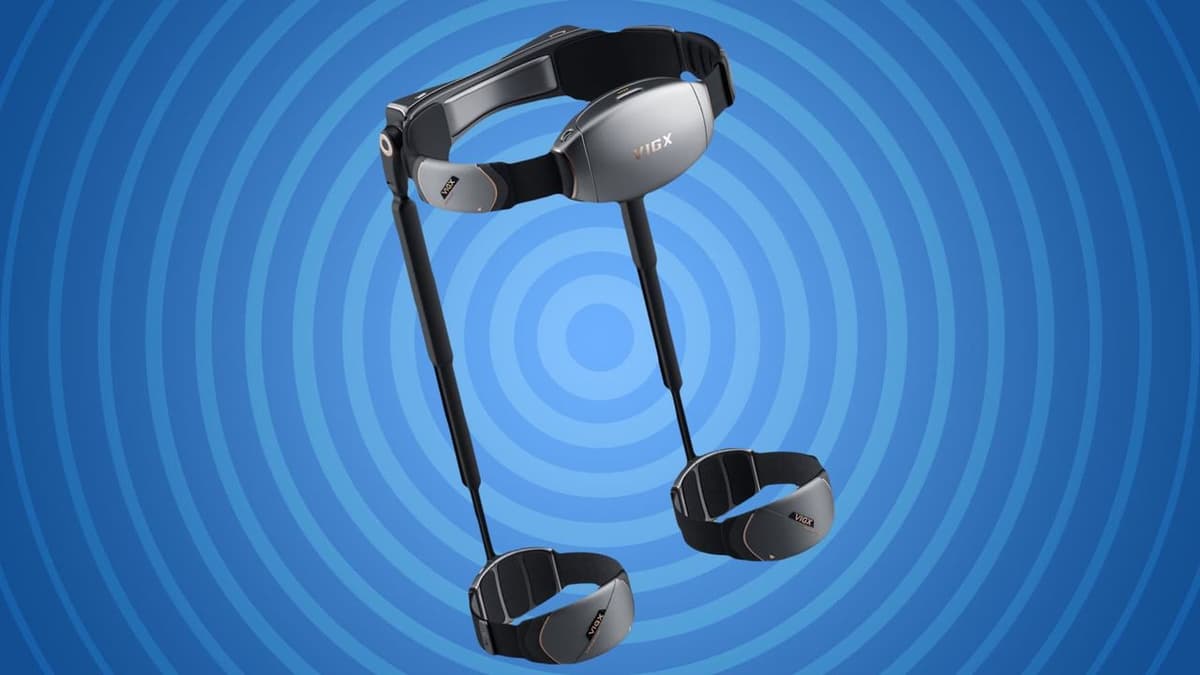
Vigx’s π6 exemplifies this evolution. Its 2‑kilogram frame straps around the waist and extends just above the knees, collapsing to the size of an umbrella for easy transport. Integrated cameras feed visual data to an on‑board AI processor that evaluates ground conditions in 30‑millisecond intervals, dynamically adjusting motor assistance to maintain balance on slopes, steps or uneven terrain. The Ultra variant’s 40‑kilometer range and three‑tiered product line—Base, Pro, Ultra—cater to a spectrum of users, from seniors seeking joint relief to outdoor enthusiasts craving extra stamina.
If the π6 gains traction after its June 2026 release, it could accelerate the mainstream acceptance of wearable robotics. Success would encourage investors to fund further AI‑driven exoskeleton projects, potentially lowering costs and expanding applications such as workplace ergonomics and assisted logistics. However, challenges remain: regulatory approvals, consumer education, and convincing a broader audience that the benefits outweigh the price tag. The coming months will reveal whether the π6 can bridge the gap between niche technology and everyday utility.
This lightweight exoskeleton lets you unleash your inner Tony Stark thanks to AI
0
Comments
Want to join the conversation?
Loading comments...