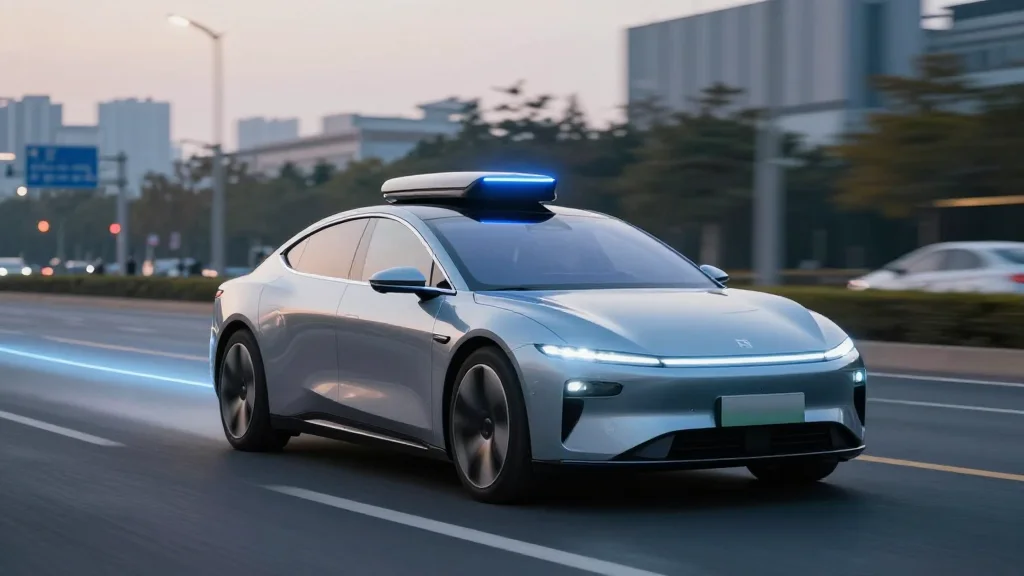
Uber Commits $10bn to Robotaxis in Strategy Shift
Companies Mentioned
Why It Matters
The $10 billion bet underscores Uber’s confidence that autonomous vehicles will become a core revenue stream, reshaping competition in the mobility sector and influencing investor expectations for next‑generation transport solutions.
Key Takeaways
- •Uber earmarks $10 billion for autonomous vehicle development
- •Goal: launch commercial robotaxi service by 2026 in major U.S. cities
- •Investment includes partnerships with Aurora, Waymo rivals, and hardware upgrades
- •Shift reduces reliance on driver‑based ride‑hailing revenue
Pulse Analysis
The autonomous‑vehicle landscape has entered a new phase as legacy automakers, tech giants, and mobility platforms race to commercialize driverless fleets. Uber, once synonymous with app‑based ride‑hailing, is now leveraging its extensive network of riders and data to accelerate a robotaxi rollout. By allocating $10 billion—roughly $10.8 billion in U.S. dollars—the company signals a decisive shift from incremental improvements to a full‑scale autonomous strategy, aiming to capture market share before competitors like Waymo and Cruise achieve profitability.
Uber’s investment will be funneled into three primary areas: vehicle acquisition, advanced perception software, and regulatory engagement. The firm has already inked agreements with Aurora Innovation and other AI‑driven startups to integrate Level 4 autonomy into a fleet of purpose‑built electric cars. Simultaneously, Uber is upgrading its mapping and dispatch platforms to handle the unique demands of driverless operations, such as dynamic routing and real‑time safety monitoring. By targeting launch in high‑density U.S. cities—San Francisco, Los Angeles, and Austin—Uber hopes to benefit from supportive municipal policies and existing charging infrastructure, reducing rollout risk and accelerating revenue generation.
If successful, Uber’s robotaxi venture could redefine urban transportation economics, lowering per‑trip costs and reshaping labor dynamics for gig‑economy drivers. Investors will watch closely for early performance metrics, as the capital intensity of autonomous fleets demands rapid scale to achieve profitability. Moreover, the move may pressure rivals to increase their own autonomous spending, potentially spurring consolidation in the sector. Uber’s $10 billion commitment thus serves as both a catalyst for industry innovation and a litmus test for the commercial viability of driverless mobility.
Uber commits $10bn to robotaxis in strategy shift
Comments
Want to join the conversation?
Loading comments...