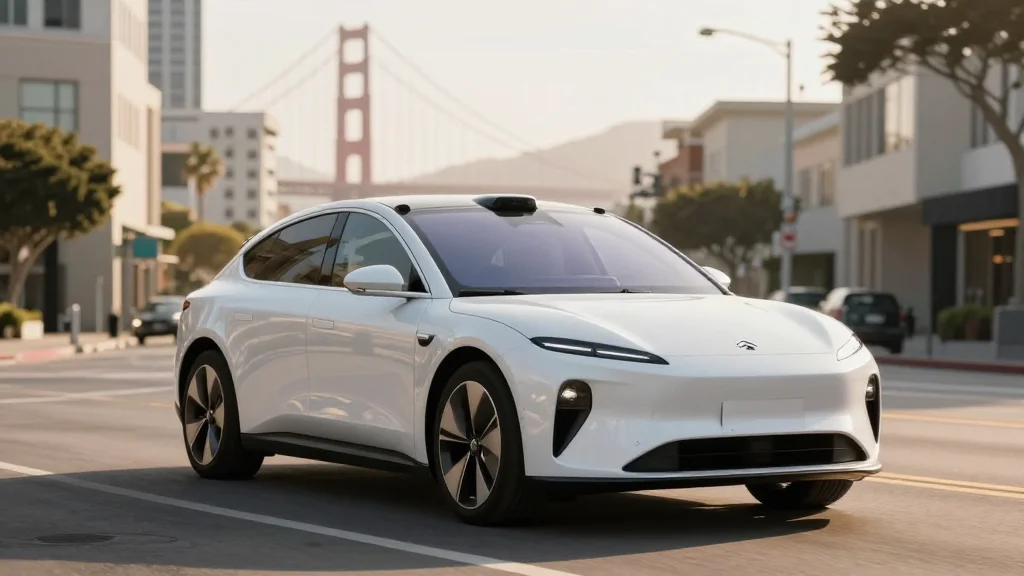
Uber Invests $300 Million in Rivian, Expands Robotaxi Fleet to 10,000 Vehicles

Why It Matters
The Uber‑Rivian robotaxi deal illustrates how autonomous vehicle technology is moving from pilot projects to commercial scale. By committing to tens of thousands of driverless cars, Uber aims to reshape urban mobility, potentially reducing congestion, emissions, and the cost of on‑demand transport. For the robotics industry, the partnership validates the commercial viability of integrated hardware‑software stacks and underscores the importance of deep capital partnerships to fund long‑term R&D and manufacturing. Beyond Uber, the agreement pressures other mobility players to secure similar fleet‑wide deals or risk falling behind in a market where network effects and data accumulation are decisive. Regulators will also need to adapt licensing frameworks to accommodate large‑scale driverless operations, setting precedents that could accelerate or stall deployment worldwide.
Key Takeaways
- •$300 million initial investment by Uber for 10,000 autonomous Rivian R2 robotaxis
- •Option to purchase up to 40,000 additional units starting in 2030
- •Potential total partnership value of $1.25 billion
- •First commercial rollout planned for San Francisco and Miami in 2028
- •Rivian’s Georgia factory, still under construction, will produce the autonomous R2
Pulse Analysis
Uber’s strategy reflects a shift from fragmented AV experiments to a vertically integrated fleet model. By financing both the vehicle and the self‑driving software, Uber reduces reliance on third‑party suppliers and gains tighter control over data streams that are critical for route optimization and safety monitoring. This mirrors the approach taken by tech giants in other hardware‑intensive domains, where end‑to‑end ownership accelerates iteration cycles.
Historically, robotaxi pilots have struggled with scale due to high per‑vehicle costs and limited geographic coverage. The Rivian R2, priced competitively at $45,000‑$58,000, lowers the capital barrier, while Uber’s massive rider base provides immediate demand. If the 2028 pilots demonstrate reliable performance, the economics could shift dramatically, making per‑ride costs comparable to traditional ride‑hailing, but with lower operating expenses once driver wages are eliminated.
However, the partnership also concentrates risk. Rivian must deliver a production‑ready autonomous stack on a tight timeline, and any delay could jeopardize Uber’s rollout schedule and erode investor confidence. Competitors such as Wayve and Aurora are pursuing lighter‑weight software‑first models that could outpace hardware‑heavy approaches if regulatory environments favor rapid software certification. The next six months—when Uber files for driverless permits and Rivian finalizes its Georgia plant—will be a litmus test for whether robotaxis can transition from novelty to a mainstream transportation option.
Uber invests $300 Million in Rivian, expands robotaxi fleet to 10,000 vehicles
Comments
Want to join the conversation?
Loading comments...