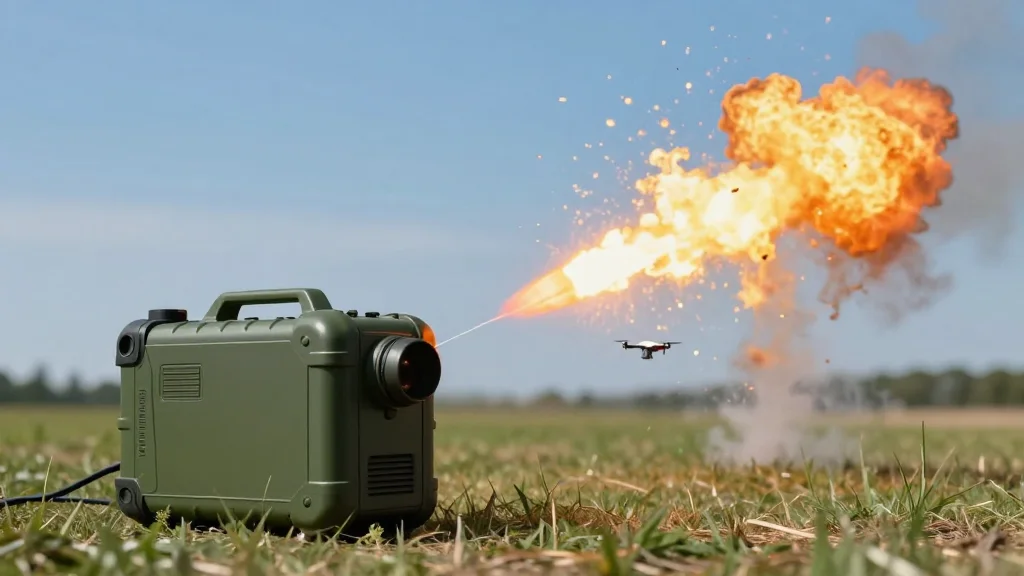
Ukraine Claims Record 33,000 Russian Drones Shot Down in March, Boosting Drone Warfare

Why It Matters
The record‑breaking drone shoot‑down count signals a turning point in modern warfare, where autonomous systems now dominate both offensive and defensive operations. Ukraine’s ability to field interceptor drones at scale not only blunts Russian aerial pressure but also showcases a home‑grown technology ecosystem that can export to allied nations, potentially reshaping the global defence‑robotics market. Moreover, the extension of Ukraine’s deep‑strike drone range transforms the strategic calculus of the conflict, allowing Kyiv to target critical Russian infrastructure far beyond the front lines. This capability forces Russia to allocate resources to protect assets previously considered out of reach, stretching its defensive posture and exposing vulnerabilities in its energy supply chain.
Key Takeaways
- •Ukraine reports shooting down more than 33,000 Russian drones in March, a monthly record.
- •Ukrainian long‑range strike drones now reach up to ~1,750 km, more than double their 2022 capability.
- •Tuapse oil refinery struck for the third time in two weeks, destroying 24 storage tanks.
- •New Ukrainian Air Force command created to coordinate interceptor‑drone operations.
- •Middle‑East and Gulf states showing heightened interest in Ukrainian interceptor drone technology.
Pulse Analysis
The March drone figures illustrate how unmanned systems have eclipsed traditional air‑defence assets in the Russia‑Ukraine war. Ukraine’s rapid scaling of interceptor UAVs reflects a broader trend: nations are prioritising swarms of low‑cost, networked drones over expensive manned fighters. This shift reduces the logistical footprint of air‑defence while delivering high kill ratios against cheap, expendable threats.
Historically, drone warfare was a niche capability, but the conflict has accelerated its mainstream adoption. The Ukrainian model—leveraging domestic R&D, rapid production, and export‑oriented partnerships—offers a template for other mid‑tier powers seeking to field credible air‑defence without relying on legacy platforms. The interest from Gulf states underscores a market realignment where emerging economies bypass traditional aerospace suppliers in favour of modular, AI‑enabled UAV solutions.
Looking forward, the next inflection point will be the integration of autonomous decision‑making into interceptor drones. If Kyiv can successfully embed AI‑driven target discrimination, it could further increase kill efficiency while reducing operator workload. Conversely, Russia’s reliance on sheer numbers may become unsustainable unless it develops comparable counter‑UAV technologies. The outcome will shape not only the trajectory of this war but also the future architecture of global defence robotics.
Ukraine Claims Record 33,000 Russian Drones Shot Down in March, Boosting Drone Warfare
Comments
Want to join the conversation?
Loading comments...