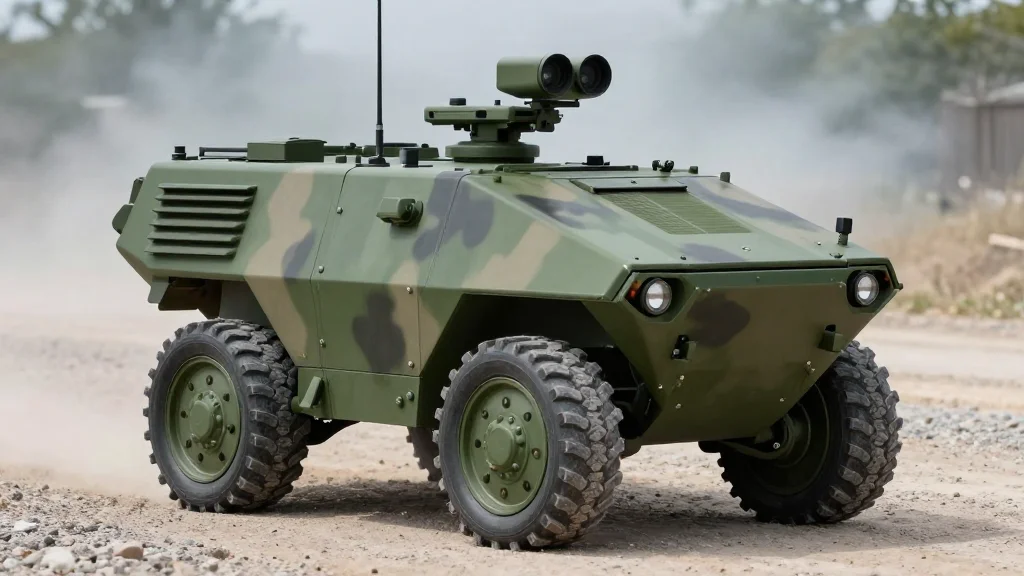
Ukraine Logs 21,500 UGV Missions in Q1 2026, Tripling Combat and Logistics Deployments

Why It Matters
The reported surge in UGV missions signals that autonomous ground systems are moving from experimental prototypes to core combat assets. For Ukraine, robots provide a force multiplier that mitigates manpower gaps and reduces soldier exposure to lethal fire. For the global robotics market, the conflict serves as a live laboratory, accelerating technology maturation, supply‑chain scaling and doctrinal development that could spill over into civilian logistics, disaster response and mining operations. The data also underscores a strategic shift: while aerial drones have dominated public discourse, ground robots are now delivering tangible operational benefits in contested terrain. This diversification of unmanned capabilities may prompt NATO allies and defense contractors to recalibrate procurement strategies, investing more heavily in rugged UGV platforms, AI‑driven navigation and secure communications to keep pace with the evolving battlefield.
Key Takeaways
- •Ukraine reported >21,500 UGV missions in Q1 2026, a three‑fold rise from Nov 2025
- •March 2026 saw >9,000 combat and logistics UGV missions, up from >2,900 in Nov 2025
- •167 Ukrainian units used UGVs in March, versus 67 units in Nov 2025
- •Four of the top five UGV units are combat brigades on the eastern/northeastern fronts
- •UGV use still far behind UAV activity, which recorded >304,000 missions in Nov 2025
Pulse Analysis
The Ukrainian UGV surge reflects a broader trend where conflict zones become accelerators for autonomous technology. Historically, wars have spurred rapid innovation—think of the internet’s origins in DARPA’s ARPANET. In this case, the pressure to preserve dwindling human resources has forced the Ukrainian military to adopt robots at scale, compressing a development timeline that would normally span a decade into months.
From a market perspective, the data validates the business case for firms that have bet on rugged, modular ground platforms. Companies that can deliver reliable payload capacity, all‑terrain mobility and secure remote operation stand to capture not only defense contracts but also a spillover market in civilian sectors that face similar logistical challenges, such as remote construction or humanitarian aid. The fact that Russia is fielding comparable systems adds a competitive edge, pushing both sides to iterate faster on AI navigation, sensor fusion and counter‑UAV defenses.
Looking forward, the sustainability of this growth hinges on three variables: supply chain resilience for critical components, the ability to integrate UGV data streams into existing command‑and‑control architectures, and the evolution of counter‑robot tactics. If Ukraine can lock in a steady pipeline of platforms and refine tactics, the UGV footprint could become a permanent fixture of modern combined‑arms doctrine, reshaping how armies think about force projection and casualty mitigation.
Ukraine logs 21,500 UGV missions in Q1 2026, tripling combat and logistics deployments
Comments
Want to join the conversation?
Loading comments...