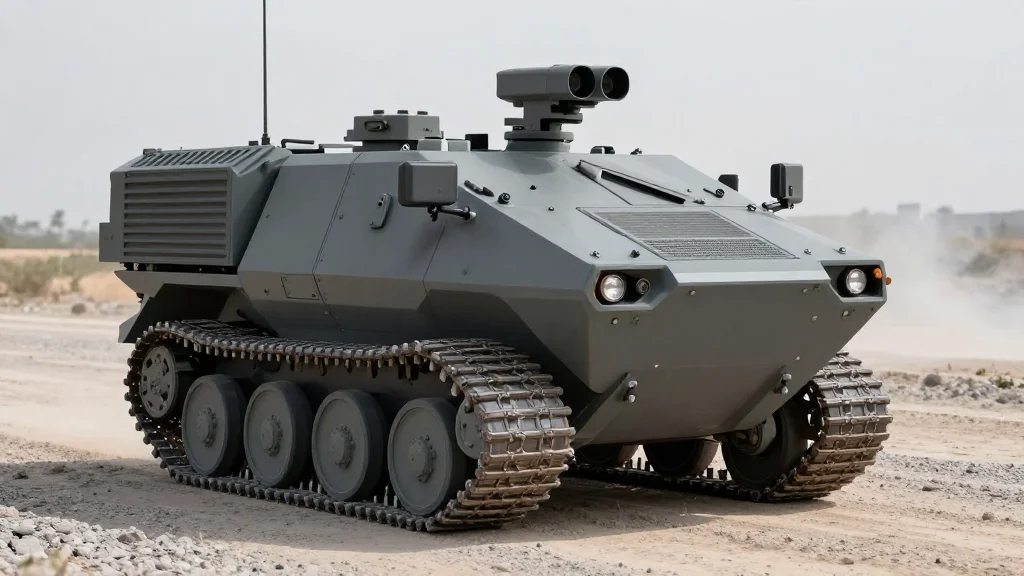
Ukraine Logs 21,500 UGV Missions in Q1, Prompting NATO Push for Fast‑track War Tech

Why It Matters
The surge in UGV missions demonstrates that ground‑based robotics have moved from experimental prototypes to essential combat tools. For defense industries, the data provides a real‑world testbed that can accelerate product cycles and validate new payloads, sensors, and AI navigation stacks. NATO’s call for a fast‑track procurement lane could reshape the alliance’s acquisition doctrine, forcing legacy contractors to adopt agile development practices or risk being sidelined by startups that can deliver weeks‑long fielding timelines. The shift may also influence civilian sectors—construction, disaster response, and logistics—by showcasing the operational viability of rugged, autonomous platforms under fire.
Key Takeaways
- •Ukraine reported >21,500 uncrewed ground vehicle missions in Q1 2026, up from 2,900 in Nov 2025.
- •UGV missions in March alone exceeded 9,000, with 167 units deploying robots versus 67 in November.
- •Four of the top five UGV‑enabled units are combat brigades on the eastern and northeastern fronts.
- •NATO’s Admiral Pierre Vandier called for an “HOV lane” to accelerate war‑tech procurement.
- •The expansion signals a strategic pivot toward ground robotics to offset infantry shortages and counter Russian UGV deployments.
Pulse Analysis
Ukraine’s rapid adoption of uncrewed ground systems is a textbook case of combat‑driven innovation. Historically, ground robotics lagged behind aerial platforms due to weight, power, and terrain challenges. The current conflict forced a pragmatic answer: replace human exposure with machines that can carry supplies, clear mines, and even fire weapons. This forced‑fit approach generated a feedback loop where operators, engineers, and frontline commanders iterated designs in weeks rather than years, compressing the traditional development timeline.
For NATO, the Ukrainian experience is both a warning and an opportunity. The alliance’s procurement bureaucracy, built around multi‑year contracts and extensive testing, risks obsolescence if it cannot ingest battlefield‑tested solutions quickly. By institutionalizing a fast‑track lane, NATO could harness the “adaptation DNA” that Vandier admires, but it must also manage risks: ensuring interoperability, cybersecurity, and compliance with international law. The balance between speed and oversight will define the next generation of alliance‑wide robotics capabilities.
Looking forward, the commercial robotics sector stands to benefit from the spillover of military R&D. Sensors, AI navigation, and rugged chassis developed for Ukraine’s front lines will likely find civilian applications in mining, infrastructure inspection, and emergency response. The key question is whether the same rapid‑deployment mindset can be replicated outside the urgency of war, or if peacetime procurement will revert to slower, legacy‑heavy processes.
Ukraine logs 21,500 UGV missions in Q1, prompting NATO push for fast‑track war tech
Comments
Want to join the conversation?
Loading comments...