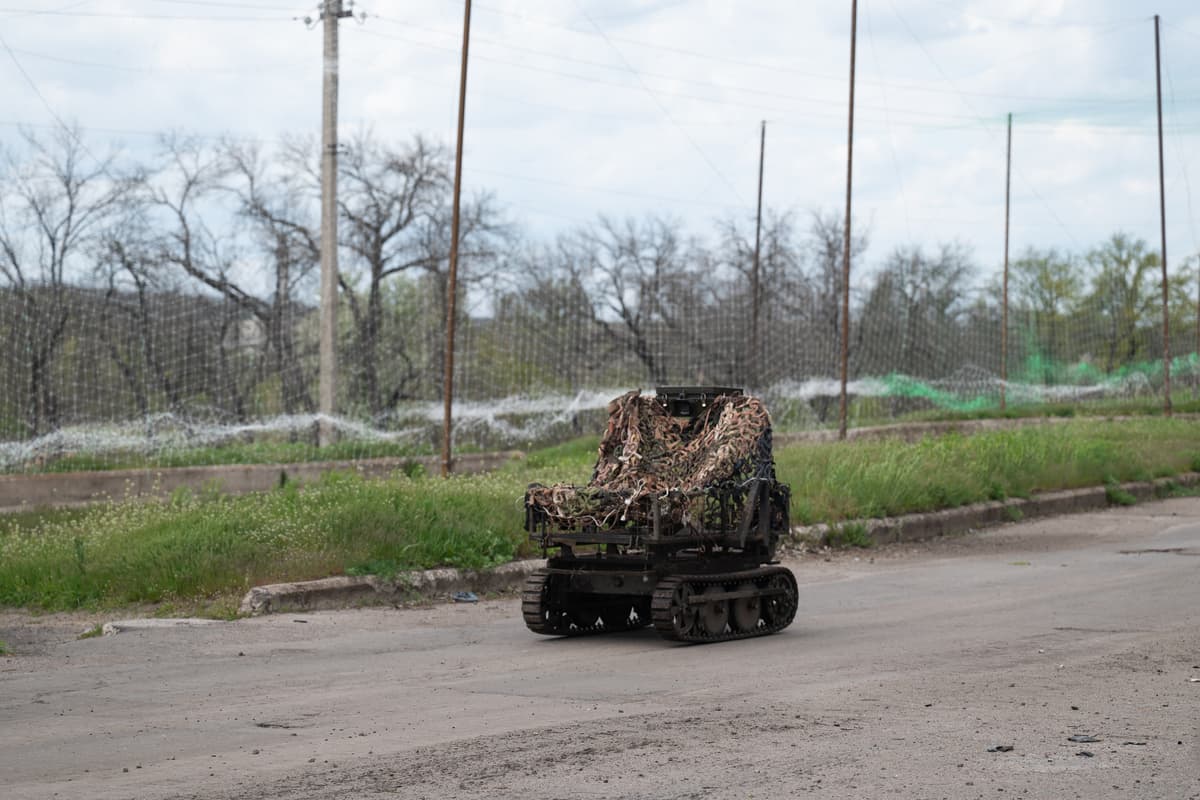
Ukraine Ramps up Ground Robot Production to Spare Soldiers, Haul Ammo — and Rescue Grandma
Why It Matters
Automating frontline logistics and evacuation reduces soldier exposure and saves lives, giving Ukraine a strategic edge in a high‑intensity conflict. The scale of the robot program also sets a benchmark for other militaries seeking to adopt autonomous ground systems.
Key Takeaways
- •Ukraine contracted 25,000 UGVs for 2026, double last year
- •Goal: 100% frontline logistics handled by robots
- •UGVs performed over 9,000 missions in March alone
- •Dual-use robots rescued civilians and evacuated wounded on same fronts
- •Robotic platforms cut personnel casualties by up to 30%
Pulse Analysis
Ukraine’s war effort has turned unmanned ground systems from a niche capability into a core logistical pillar. By the first half of 2026 the Defense Ministry has ordered 25,000 UGVs, and President Zelenskyy recently pledged 50,000 units for the year, a fleet larger than many NATO armies. The Unmanned Systems Forces (SBS) frame this expansion as a doctrinal shift: robots will handle fire support, mine‑laying, engineering, and, most critically, all frontline supply tasks. The ambition to automate 100 % of logistics reflects both a response to Russian air superiority and a long‑term modernization agenda.
The operational data underscores the doctrine’s effectiveness. In March alone Ukrainian units logged more than 9,000 robot‑assisted missions, ranging from ammunition resupply to casualty evacuation. A single medical battalion covered roughly 185 miles in a day using two UGVs, while the Cerberus unit rescued a 77‑year‑old civilian and extracted a wounded soldier on the same frontline. The General Staff credits these platforms with a 30 % reduction in personnel casualties, a figure that resonates with commanders who view survivability as the primary metric of success. Dual‑use robots thus blur the line between combat support and humanitarian aid.
The rapid scale‑up positions Ukraine as a proving ground for combat‑grade autonomous logistics, a model other nations are watching closely. Success on the Lyman front could accelerate export interest from allies seeking to reduce troop exposure in high‑risk environments. Yet challenges remain: maintaining a supply chain for spare parts, integrating AI decision‑making, and ensuring interoperability with legacy systems. As the robot fleet grows, Ukraine will need robust training and doctrine refinement to prevent technology fatigue. Nonetheless, the Ukrainian experience signals a broader shift toward robotic warfare, where unmanned ground vehicles become as indispensable as drones in modern conflict.
Ukraine ramps up ground robot production to spare soldiers, haul ammo — and rescue grandma
Comments
Want to join the conversation?
Loading comments...