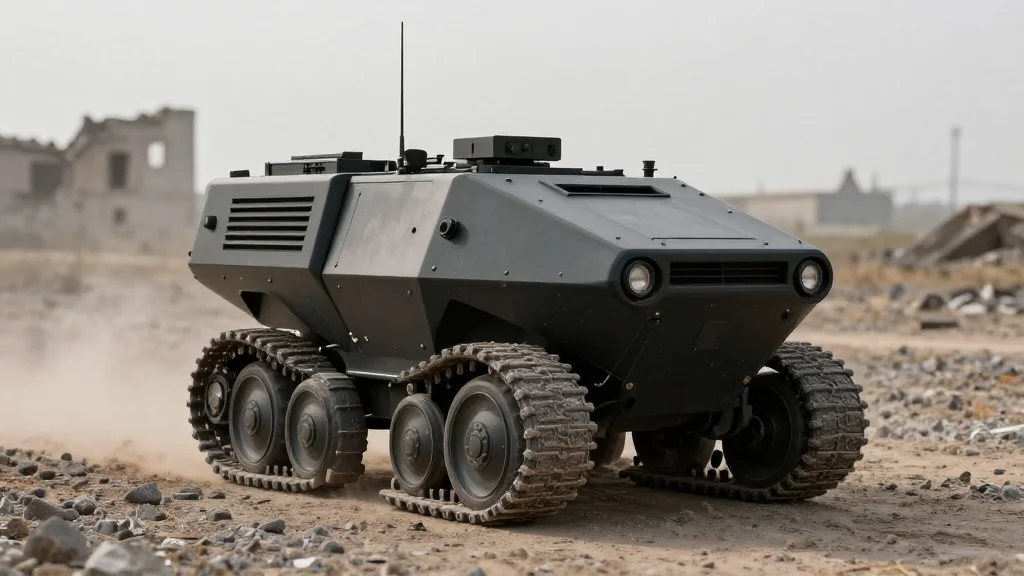
Ukraine to Procure 25,000 Unmanned Ground Vehicles for Frontline Logistics by 2026

Why It Matters
The scale of Ukraine's UGV procurement marks the largest single‑country acquisition of autonomous ground systems to date, setting a benchmark for how modern militaries can replace human labor in the most hazardous logistics roles. By automating ammunition resupply, medical evacuation and equipment transport, Ukraine aims to preserve combat power while mitigating casualties, a model other nations facing high‑intensity conflict may emulate. Beyond the battlefield, the integration of NATO‑standardized robots like the Bizon‑L could accelerate the global market for rugged, all‑weather UGVs. The procurement also showcases how digital procurement platforms and satellite communications can streamline defense supply chains, offering a template for rapid scaling of autonomous systems in other sectors such as disaster response and humanitarian logistics.
Key Takeaways
- •Ukraine plans to buy 25,000 unmanned ground vehicles by mid‑2026.
- •Defense Minister Mykhailo Fedorov aims for 100% robotic frontline logistics.
- •$330 million (14 billion hryvnia) invested since January for UGVs and related systems.
- •Bizon‑L robot can carry 300 kg over 50 km and meets NATO standards.
- •Over 9,000 ground‑robot missions logged in March, up from under 3,000 in November.
Pulse Analysis
Ukraine's aggressive UGV rollout reflects a strategic pivot from manpower‑intensive logistics to a technology‑centric warfighting model. Historically, ground‑based robotics have lagged behind aerial drones in both capability and adoption. By committing to 25,000 units, Kyiv not only bridges that gap but also forces a re‑evaluation of logistics doctrine across NATO. The Bizon‑L's NATO certification is a critical enabler, ensuring interoperability with allied forces and opening export pathways that could reshape the global UGV market.
The procurement also underscores the importance of supply‑chain resilience. Ukraine's use of a direct digital procurement platform to acquire 181,000 systems demonstrates how a centralized, data‑driven approach can accelerate acquisition cycles, a lesson that Western defense establishments may adopt to keep pace with rapid technological change. Moreover, the publicized rescue robot footage serves a dual purpose: it validates the operational value of UGVs and bolsters domestic and international support by humanizing the technology.
Looking forward, the success of this program will hinge on several variables: the ability of domestic manufacturers to meet production targets, the robustness of satellite‑linked communications under contested conditions, and the integration of UGVs with existing command‑and‑control structures. If Ukraine can achieve its 100% robotic logistics goal, it will set a precedent for autonomous warfare that could accelerate similar investments by other nations, potentially redefining the role of soldiers on the front line.
Ukraine to Procure 25,000 Unmanned Ground Vehicles for Frontline Logistics by 2026
Comments
Want to join the conversation?
Loading comments...