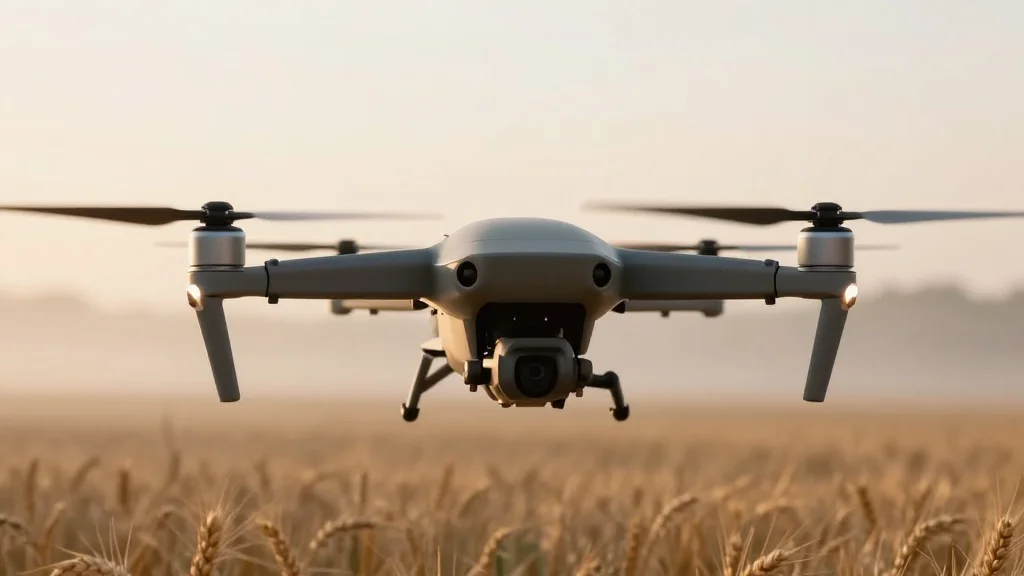
Ukraine’s Drone Surge Gives Kyiv Tactical Edge as Russian Swarms Reach NATO Borders

Why It Matters
The rapid expansion of Ukraine’s drone programme demonstrates how robotics can level asymmetric conflicts, allowing a smaller nation to inflict strategic damage on a larger adversary with relatively inexpensive technology. This shift forces traditional militaries to reassess air‑defence doctrines and invest in counter‑UAV solutions, accelerating a global arms race in autonomous systems. The Romanian incident underscores the spill‑over risk of drone warfare into NATO territory, raising questions about collective defence commitments and the legal frameworks governing cross‑border UAV incursions. As drones become more ubiquitous, the line between battlefield and civilian airspace blurs, compelling policymakers to balance deterrence with the protection of non‑combatants.
Key Takeaways
- •Ukraine reports a 30% rise in drone sortie rates over the past six months, extending strike depth to 65 miles.
- •Romanian President Nicusor Dan identified a stray Russian Geran‑2 drone that injured two civilians in Galati.
- •NATO chief Mark Rutte pledged to defend every inch of allied territory after the Romanian incursion.
- •General Andriy Biletskyi warned the next six months are critical for consolidating Ukrainian gains.
- •Russia’s President Putin disputed the drone’s origin, suggesting Ukrainian UAVs have entered NATO airspace.
Pulse Analysis
Ukraine’s drone surge is more than a tactical tweak; it signals a structural transformation in how wars are fought. By leveraging a distributed manufacturing model—often supported by volunteers and diaspora funding—Kyiv has turned what were once niche capabilities into a strategic pillar. This democratization of UAV technology erodes the traditional advantage of state‑backed air forces, forcing Russia to allocate scarce resources to counter‑UAV measures that have historically lagged behind offensive capabilities.
The Romanian breach illustrates the unintended consequences of this new battlefield. As drones proliferate, the probability of accidental or deliberate incursions into neighboring airspace rises, testing NATO’s Article 4 mechanisms and the alliance’s readiness to respond to low‑altitude, high‑speed threats. The incident may accelerate the deployment of dedicated counter‑drone systems, such as directed‑energy weapons and AI‑driven detection networks, across Eastern Europe.
Looking forward, the interplay between Ukraine’s offensive drone doctrine and NATO’s defensive posture will shape the next phase of the conflict. If Kyiv can sustain its production tempo and integrate newer autonomous strike platforms, it could compel Russia to divert air‑defence assets from the front lines, weakening its ground operations. Conversely, a robust NATO response—providing rapid anti‑drone kits to border states—could blunt the strategic leverage that UAVs afford Kyiv, potentially stabilising the front but also cementing a new equilibrium where unmanned systems dominate both offensive and defensive planning. The outcome will likely influence global defence procurement trends, with more nations seeking to replicate Ukraine’s agile, low‑cost drone ecosystems while simultaneously bolstering their own counter‑UAV capabilities.
Ukraine’s Drone Surge Gives Kyiv Tactical Edge as Russian Swarms Reach NATO Borders
Comments
Want to join the conversation?
Loading comments...