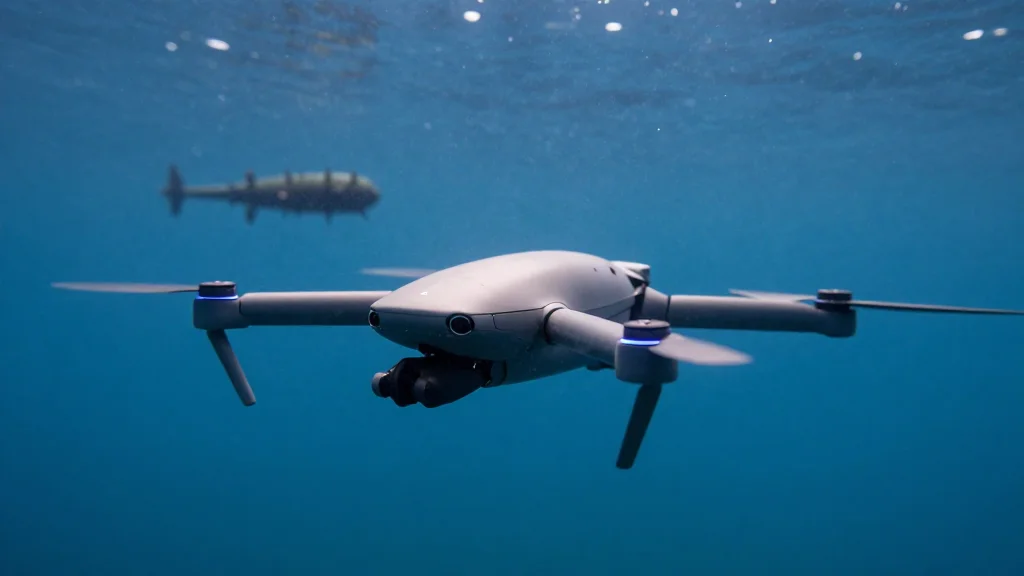
Ukraine's TLK-150 Sea Drone Eyed to Clear Mines in Strait of Hormuz

Why It Matters
The Strait of Hormuz is a linchpin of global energy security; any prolonged closure would reverberate through oil markets, inflating prices and destabilizing economies dependent on cheap energy. Deploying a proven, low‑cost autonomous demining platform could shorten the clearance timeline, preserving the flow of 20% of the world’s oil and gas. Moreover, the episode highlights a broader shift toward leveraging commercial and allied robotics solutions to fill capability gaps in U.S. defense procurement, potentially accelerating the adoption of foreign‑origin unmanned systems across other maritime domains. Beyond the immediate crisis, the TLK‑150 case underscores how conflict‑driven innovation in Ukraine is spilling over into global security markets. If the drone proves effective, it could open a new export niche for Ukrainian defense firms and set a precedent for rapid technology transfer between allied nations facing asymmetric maritime threats.
Key Takeaways
- •Toloka’s TLK-150 can travel over 1,200 miles on a single charge, mapping mines below the surface.
- •Iran’s mines have closed the Strait of Hormuz, threatening 20% of global energy shipments.
- •U.S. has only two Littoral Combat Ships in the region, limiting mine‑clearing coverage.
- •Ed Crowther (UNDP) says Ukraine leads in humanitarian demining technology.
- •Scott Savitz (RAND) warns the U.S. has neglected mine countermeasures for two decades.
Pulse Analysis
The TLK‑150’s potential deployment marks a rare convergence of battlefield innovation and commercial maritime security. Historically, the U.S. has relied on large, purpose‑built mine‑countermeasure vessels—platforms that are expensive, slow to acquire, and increasingly vulnerable to electronic warfare. By contrast, Ukraine’s lightweight, long‑range drone offers a modular, cost‑effective alternative that can be fielded quickly and operated from existing ships or shore bases. This could force a reassessment of procurement strategies, nudging the Pentagon toward a more open‑architecture approach that embraces allied solutions.
From a market perspective, the episode could catalyze a wave of investment in small‑form‑factor underwater drones. Companies that have been developing similar systems for oil‑and‑gas inspection or scientific research may see a surge in defense contracts, especially if the TLK‑150 demonstrates interoperability with U.S. command‑and‑control networks. However, integration challenges—such as secure data links, certification for NATO use, and protection against GPS jamming—remain significant hurdles that will test both engineers and policymakers.
Looking ahead, the success of the TLK‑150 in Hormuz could set a template for future collaborations where nations with limited domestic R&D capacity supply niche, high‑impact technologies to larger allies. If the drone helps reopen the strait within weeks rather than months, it will not only safeguard energy markets but also validate a new model of rapid, cross‑border defense innovation—a model that could become a cornerstone of 21st‑century maritime security.
Ukraine's TLK-150 Sea Drone eyed to clear mines in Strait of Hormuz
Comments
Want to join the conversation?
Loading comments...