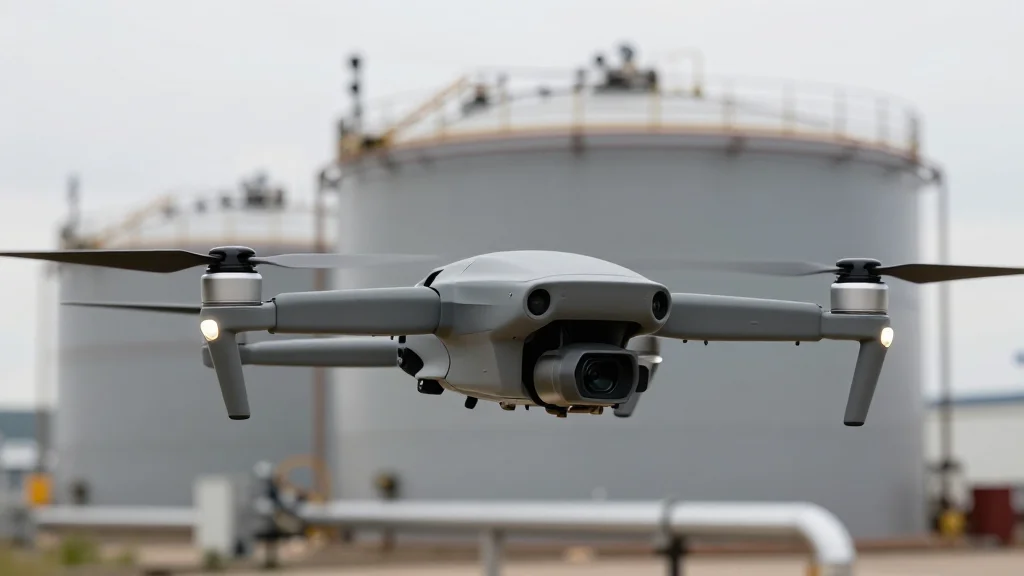
Ukrainian Drone Swarm Halts Russia’s Black Sea Oil Hub, Costs $1 B

Why It Matters
The Novorossiysk strike demonstrates how autonomous aerial systems can reshape geopolitical economics by targeting revenue‑generating infrastructure. By cutting off a fifth of Russia’s oil exports, Ukraine has forced a $1 billion revenue shortfall, directly affecting the Kremlin’s ability to fund its war effort and influencing global oil markets. The incident also highlights the rapid maturation of combat robotics, where relatively low‑cost UAV swarms can achieve strategic effects traditionally reserved for manned strike aircraft. Beyond the immediate military calculus, the raid accelerates a market shift toward modular, AI‑enabled drones. Companies like Fire Point are attracting billions in state funding, prompting rival nations to invest in similar capabilities. At the same time, the civilian toll in Odesa underscores the urgent need for international norms governing the use of lethal autonomous weapons, a debate that will shape future regulatory frameworks and export controls in the robotics sector.
Key Takeaways
- •Ukrainian drone swarm of 50+ aircraft crippled Novorossiysk’s Sheskharis terminal, halting ~20% of Russia’s crude exports.
- •The strike is estimated to have cost Moscow about $1 billion in lost oil revenue.
- •Three civilians, including a child, were killed in a separate Russian missile attack on Odesa.
- •Ukrainian startup Fire Point, backed by $1 billion in state contracts, supplied the long‑range drones used in the raid.
- •Russian air‑defence forces reported shooting down 50 drones, firing 35 interceptor missiles from Pantsir, BUK‑M3 and S‑300 systems.
Pulse Analysis
The Novorossiysk drone raid marks a watershed for autonomous warfare, proving that swarms can deliver strategic, economic blows without the need for traditional air‑superiority. Historically, long‑range strikes against oil infrastructure required manned bombers or cruise missiles, both expensive and politically sensitive. By leveraging commercially available UAVs retrofitted with precision payloads, Ukraine has lowered the cost per strike to a few thousand dollars while achieving a disproportionate impact on Russia’s war chest. This cost‑effectiveness is likely to inspire other state and non‑state actors to adopt similar tactics, accelerating a global arms race in low‑cost, high‑impact drone technology.
From a market perspective, the success of Fire Point’s platforms will attract further public and private capital into the combat‑robotics niche. Investors will scrutinize the company’s rapid scaling—3,500 employees and 175,000 m² of production space—while regulators will grapple with the anti‑corruption investigations that shadow its meteoric rise. The dual pressure of demand for more capable UAVs and the need for oversight could spur a wave of consolidation, as larger defense contractors acquire niche startups to integrate swarm capabilities into broader systems.
Strategically, the attacks also force a reassessment of energy security. Nations dependent on Russian oil will monitor the resilience of export routes, potentially diversifying supply chains or investing in protective technologies for their own critical infrastructure. In the long run, the convergence of robotics, energy geopolitics, and regulatory scrutiny will define the next decade of both defense spending and civilian drone legislation.
Ukrainian Drone Swarm Halts Russia’s Black Sea Oil Hub, Costs $1 B
Comments
Want to join the conversation?
Loading comments...