Companies Mentioned
Why It Matters
Alfie expands automation into environments previously deemed too unpredictable, unlocking a sizable portion of industrial work that has resisted robotization. Its RaaS model lowers entry barriers, accelerating adoption across midsize manufacturers.
Key Takeaways
- •Alfie offers bimanual manipulation for variable assembly tasks
- •RobCo's $100M funding fuels Physical AI and U.S. expansion
- •RobCo delivers Alfie via Robotics-as-a-Service, no upfront capex
- •Level‑4 autonomy enables continuous learning without manual programming
- •First customer deployments slated for late 2026, targeting dynamic environments
Pulse Analysis
The industrial robotics market has long been dominated by fixed‑point, repeat‑able solutions that excel in highly structured factories. As manufacturers pursue greater product variety and shorter batch cycles, the need for robots that can cope with changing parts, unpredictable layouts, and delicate handling has intensified. Autonomous Alfie directly addresses this gap, positioning RobCo at the forefront of a shift toward flexible automation that can keep pace with modern production demands.
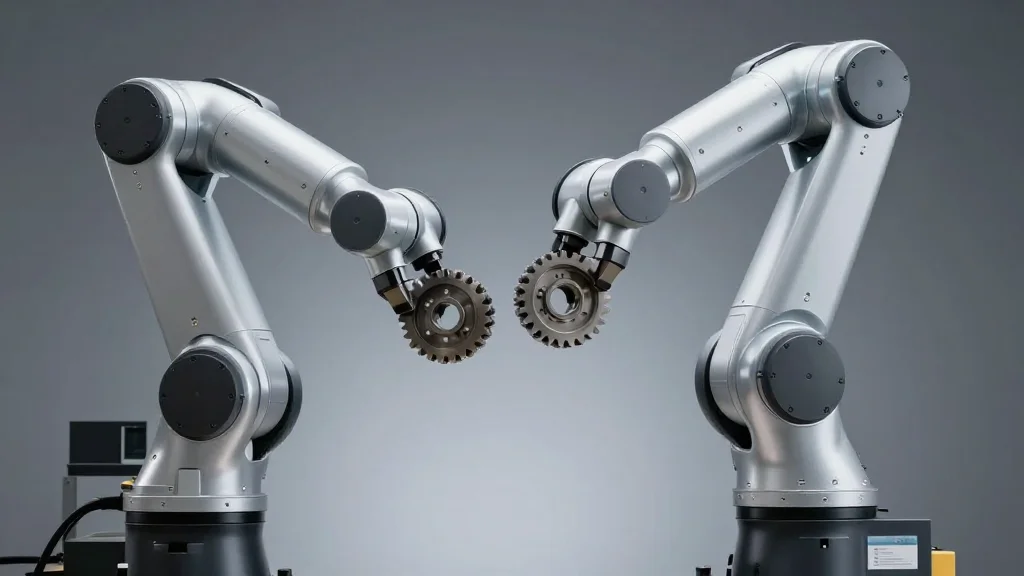
Alfie's architecture blends advanced perception sensors, AI‑driven decision‑making, and dual‑arm hardware to achieve Level 4 autonomy. Unlike traditional robots that require extensive re‑programming for each new task, Alfie continuously refines its models from real‑time data, enabling it to adapt to new objects and workflows on the fly. Delivered through a Robotics‑as‑a‑Service subscription, the platform eliminates the high upfront capital expense, allowing manufacturers to scale automation incrementally while preserving cash flow.
The strategic timing of Alfie's launch coincides with RobCo's $100 million financing round, earmarked for expanding its Physical AI roadmap and deepening its U.S. presence. By democratizing high‑end autonomous robotics, RobCo could capture market share from incumbents still focused on static automation. As early adopters integrate Alfie into assembly lines, intralogistics, and material‑handling operations, the broader industry is likely to see a cascade effect, prompting competitors to accelerate their own variable‑environment solutions and reshaping the automation landscape for the next decade.
Untitled
Comments
Want to join the conversation?
Loading comments...