Companies Mentioned
Why It Matters
Embedding intelligence in soft materials transforms static products into responsive systems, opening high‑value markets for adaptive hardware across consumer and enterprise sectors. The platform accelerates physical AI adoption, promising safer human‑robot interaction and new revenue streams for manufacturers.
Key Takeaways
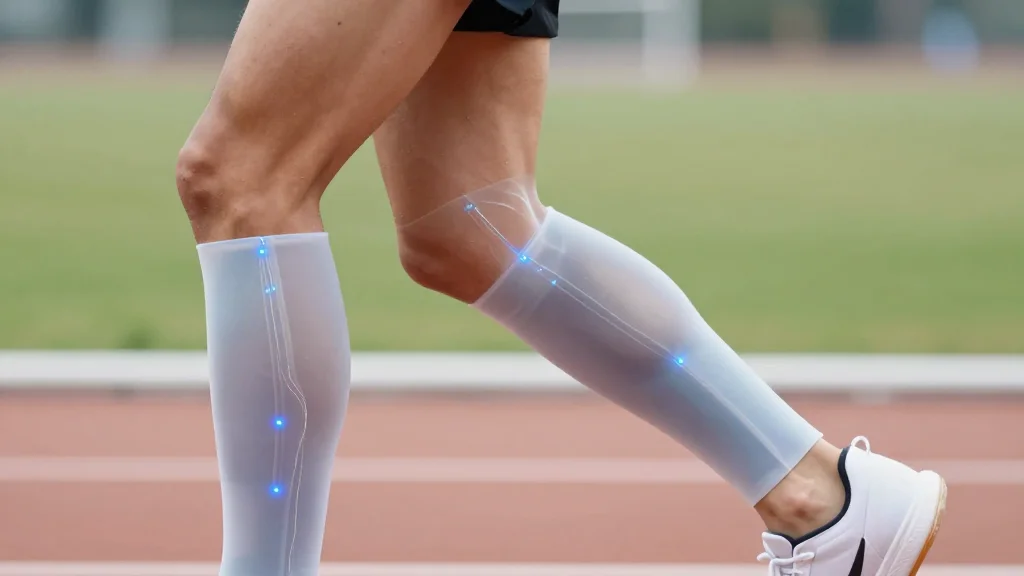
- •morph unveiled soft‑robotic cells that can change shape and stiffness
- •Platform targets athletic performance, injury prevention, and mobility support
- •Backed by investors including 8VC, Pharrell Williams, and Blue Lion
- •Embodied AI merges hardware and software for real‑time adaptive products
- •Founder Dr. Jean Nehme previously sold surgical‑AI firm to Medtronic
Pulse Analysis
Soft robotics has moved from niche research labs into commercial viability, driven by demand for safer, more flexible automation. Morph’s shapeshifting cells differentiate themselves by integrating sensing, reinforcement‑learning algorithms, and physics‑based simulation directly into the material matrix, a capability few competitors can match. This hardware‑software convergence creates a tangible embodiment of physical AI, allowing devices to react instantly to human movement rather than relying on external processors. As enterprises seek to human‑center their products, Morph’s platform offers a plug‑and‑play solution that reduces development cycles and lowers the barrier to entry for adaptive design.
The platform’s initial focus on athletic performance and mobility aligns with a $10 billion market for wearable health tech and injury‑prevention solutions. By delivering real‑time stiffness modulation, Morph can enhance biomechanical efficiency, potentially extending athletes’ careers and reducing rehabilitation costs. The backing of high‑profile investors signals confidence in both the technology and its commercial pathway, positioning the company to secure strategic OEM partnerships in sports equipment, orthotics, and later, automotive seating and industrial safety gear. Early adopters stand to gain differentiated products that combine data capture with immediate physical response, creating a feedback loop that fuels continuous improvement.
Looking ahead, the scalability of Morph’s modular cells could reshape product development across multiple sectors. As reinforcement learning models improve and simulation fidelity increases, manufacturers will be able to iterate designs virtually before committing to costly tooling, accelerating time‑to‑market. Challenges remain in material durability, regulatory approval for health‑related applications, and establishing standards for embodied AI safety. Nevertheless, the convergence of soft robotics, AI, and advanced manufacturing positions Morph to be a catalyst for the next wave of intelligent, adaptive products that enhance human performance and safety.
Untitled
Comments
Want to join the conversation?
Loading comments...