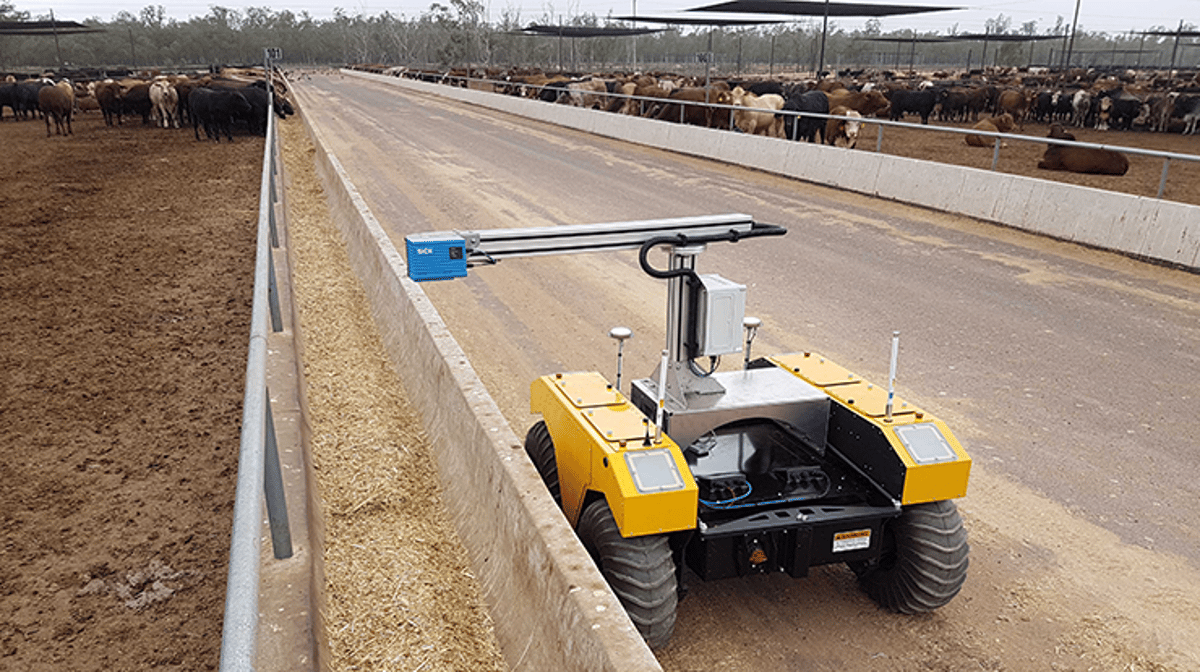
Warthog: A Rugged Platform for Industrial Automation
•March 4, 2026
0
Why It Matters
Warthog extends automation into harsh, unstructured environments where conventional vehicles fail, delivering safety, efficiency, and faster time‑to‑value for multiple industries.
Key Takeaways
- •272 kg payload, 18 km/h top speed
- •IP65 sealed chassis, steel/aluminum construction
- •ROS 2 preinstalled, Gazebo simulation model
- •Multi‑voltage power outputs up to 48 V
- •Supports autonomous navigation via OutdoorNAV software
Pulse Analysis
Industrial operators are increasingly confronting terrain that traditional vehicles cannot safely traverse—think remote mines, wet fields, or snow‑covered forests. The Warthog UGV answers this need with a combination of high payload capacity, robust IP65‑rated chassis, and adaptable mobility options such as interchangeable tires and optional tracks. By integrating ROS 2 and a Gazebo simulation environment out of the box, the platform shortens the gap between virtual testing and field deployment, allowing engineers to validate autonomy stacks before committing hardware to costly real‑world trials.
In sector‑specific terms, the Warthog’s low ground pressure and multi‑voltage power bus make it a versatile workhorse for mining logistics, precision agriculture, and ecological monitoring. In mines, it can ferry LiDAR scanners and mapping tools across unstable ground, reducing human exposure to hazardous zones. Farmers benefit from a stable base for autonomous sprayers and crop‑health sensors, while researchers deploy atmospheric and soil probes in wetlands without disturbing fragile ecosystems. The vehicle’s modular I/O and payload mounting plates further simplify the integration of diverse equipment, turning a single platform into a multi‑purpose asset across disparate operations.
Looking ahead, the convergence of AI‑driven perception, edge computing, and autonomous navigation software like OutdoorNAV positions the Warthog as a foundational element in the next wave of industrial automation. Its ability to execute waypoint‑based routes, avoid obstacles, and operate for up to eight hours on a lithium‑enhanced battery opens the door to fully autonomous workflows, from routine inspections to complex material handling. As enterprises prioritize safety, sustainability, and operational efficiency, rugged UGVs such as the Warthog will likely become standard infrastructure in remote and demanding environments.
Warthog: A Rugged Platform for Industrial Automation
0
Comments
Want to join the conversation?
Loading comments...