What Makes a Job Dull, Dirty, or Dangerous?
Why It Matters
A clearer DDD taxonomy helps robotics target truly undesirable work without eroding the valued human elements that give many jobs meaning, improving safety and adoption across industries.
Key Takeaways
- •Only 2.7% of robotics papers define DDD; 8.7% give examples
- •Occupational injury data underreports up to 70% of cases
- •“Dirty” work includes social stigma, not just physical grime
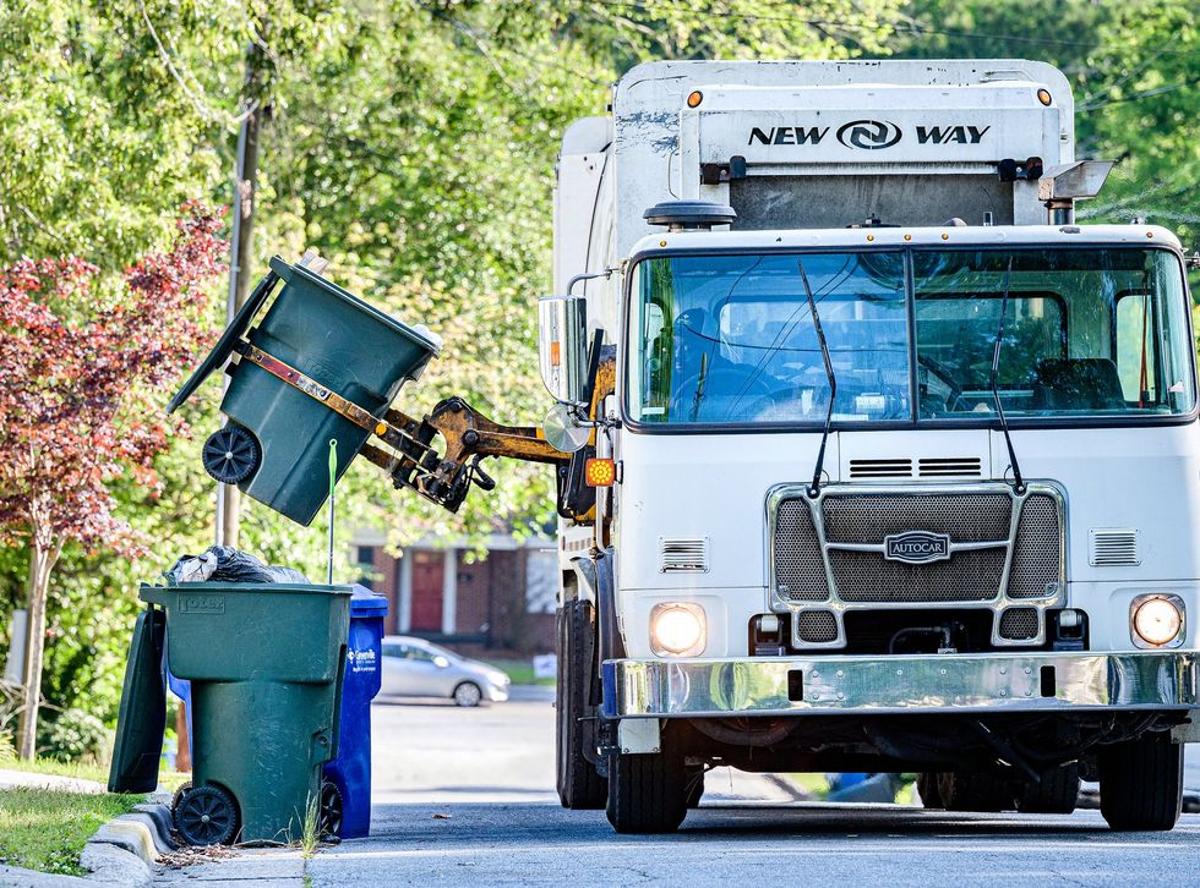
- •Waste‑collection combines danger, low prestige, but offers task variety and pride
- •Framework urges robotics to consider worker perspective and context
Pulse Analysis
The "dull, dirty, dangerous" label has guided robot research for decades, yet its meaning remains fuzzy. A recent analysis of 1980‑2024 robotics publications shows that fewer than three percent actually define DDD, and even fewer illustrate specific tasks. By pulling insights from anthropology, economics, psychology, and sociology, the authors craft precise definitions: dangerous work involves measurable injury risk; dirty work spans physical grime, social stigma, and moral taint; dull work denotes repetitive, low‑autonomy tasks. This interdisciplinary grounding equips engineers with a richer vocabulary for assessing automation opportunities.
Data quality emerges as a critical obstacle. Administrative injury records miss up to 70% of cases, and existing statistics rarely disaggregate by gender, migrant status, or informal employment, obscuring vulnerable sub‑populations. Moreover, "dirty" work is not merely about filth—it reflects entrenched societal judgments that vary across cultures and eras. The waste‑recycling industry exemplifies these complexities: workers face hazardous exposure and low occupational prestige, yet they derive pride from community service and enjoy task variety through vehicle operation, crew interaction, and problem‑solving. Such nuanced realities reveal hidden automation niches where robots could mitigate risk without stripping away the job’s rewarding aspects.
For robotics practitioners, the proposed DDD framework acts as a decision‑making checklist. It prompts teams to gather quantitative injury data, assess occupational prestige, and, crucially, solicit worker feedback on what they value or dislike about their roles. By aligning robot capabilities with the specific physical and social pain points—while preserving elements that foster pride and camaraderie—designers can create solutions that enhance safety without rendering jobs meaningless. The approach also signals a broader shift toward socially aware automation, encouraging future research that blends technical performance with human‑centered impact assessments.
What Makes a Job Dull, Dirty, or Dangerous?
Comments
Want to join the conversation?
Loading comments...