When Robots Can’t Replace Humans: The Critical Role of Personal Protection in Robotic Law Enforcement Operations
•February 9, 2026
0
Companies Mentioned

Why It Matters
Officer safety hinges on gear that bridges the gap between robot scouting and human entry, influencing procurement budgets and public‑safety outcomes. The emerging market for specialized body armor will shape law‑enforcement equipment strategies for years to come.
Key Takeaways
- •Robots handle reconnaissance, not arrests.
- •Human entry after robot creates vulnerability window.
- •Armor must be lightweight, multi‑threat capable.
- •Hybrid protection market projected to expand rapidly.
- •Safe Life Defense provides specialized police armor.
Pulse Analysis
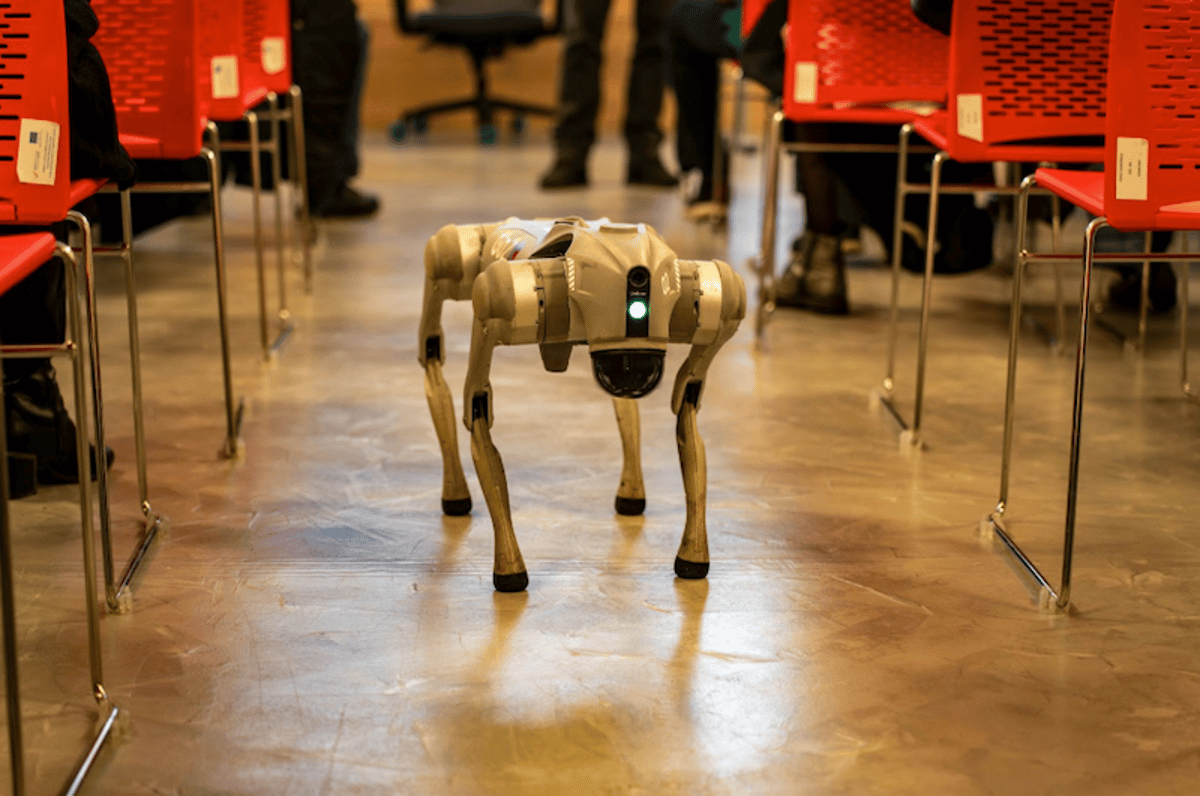
The proliferation of police robots—from Dubai’s autonomous patrol units to Boston Dynamics’ Spot—has transformed how agencies approach high‑risk incidents. Robots excel at gathering intelligence, neutralizing explosives and delivering non‑lethal agents, yet they lack the judgment required for arrests or hostage rescues. This division of labor creates a two‑stage operation: a remote robot clears the path, then human officers move in, often with outdated situational data. Understanding this workflow is essential for any department considering robotic investments.
The transition from screen‑based control to on‑ground action introduces a critical exposure period. Officers must contend with suspects who have had time to react, potentially armed with firearms or improvised weapons. Traditional body armor, designed for static engagements, can impede rapid movement and interfere with the electronic devices used to command robots. Consequently, next‑generation protective equipment must be ultra‑light, modular, and capable of stopping both handgun and rifle rounds while integrating seamlessly with communication rigs and hazmat gear. Innovations such as quick‑release plates and conductive fabrics are already addressing these needs.
Market analysts project double‑digit growth for the global law‑enforcement robotics sector, and a parallel surge in demand for hybrid protection solutions. Vendors that combine robotics expertise with advanced armor technology stand to capture significant share, as agencies recognize that robots and personal protection are complementary, not interchangeable. Investing in integrated systems now not only safeguards officers during the post‑robot engagement phase but also future‑proofs budgets against evolving threats and regulatory expectations.
When Robots Can’t Replace Humans: The Critical Role of Personal Protection in Robotic Law Enforcement Operations
0
Comments
Want to join the conversation?
Loading comments...