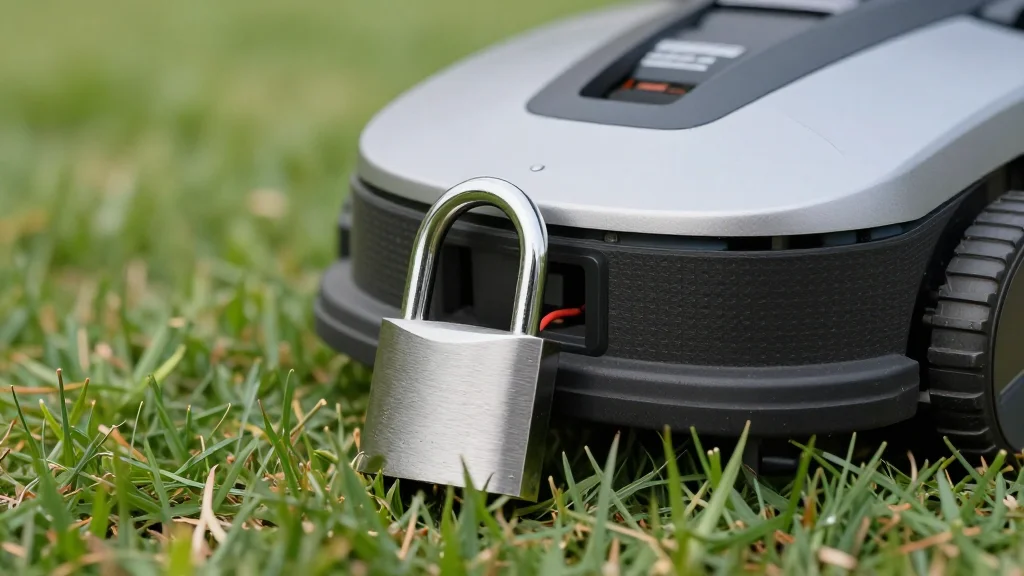
Yarbo Robot Mower Flaw Exposes Consumer‑Robot Security Gaps

Why It Matters
The Yarbo vulnerability is the first high‑profile, publicly disclosed flaw in a domestic robot that can cause physical injury, moving cybersecurity from data‑center concerns to everyday households. It highlights how insecure credential practices—such as identical root passwords across devices—can turn a convenience product into a weapon, prompting calls for mandatory security certifications for consumer robotics. Beyond the immediate risk, the case sets a precedent for how manufacturers will be held accountable for post‑sale security. If regulators adopt stricter disclosure rules, companies may need to invest heavily in secure‑by‑design development, over‑the‑air update infrastructure and independent security audits, reshaping the economics of the fast‑growing home‑robot market.
Key Takeaways
- •Security researcher Andreas Makris disclosed that thousands of Yarbo robot mowers can be hijacked to expose user data and cause physical harm.
- •Yarbo pledged a first wave of security updates to roll out within one week, adding per‑device credentials.
- •The company will retain a remote backdoor for internal use, limited to authorized personnel and subject to audit logging.
- •Yarbo’s co‑founder acknowledged the flaws in a 1,200‑word statement, citing legacy design choices as the root cause.
- •The incident raises calls for industry‑wide security standards and possible regulatory oversight of consumer robots.
Pulse Analysis
Yarbo’s breach illustrates a broader shift: as robots move from novelty to utility, their attack surface expands dramatically. Historically, manufacturers treated firmware updates as optional, but the Yarbo case forces a re‑evaluation of the business model. Companies that can deliver rapid, secure over‑the‑air patches will gain a competitive edge, while those that lag risk brand damage and potential liability.
From a market perspective, the incident could accelerate consolidation among robot makers who lack in‑house security expertise. Larger players—such as iRobot, Ecovacs and newer entrants backed by AI firms—may acquire niche security startups to embed vulnerability‑management capabilities. At the same time, investors are likely to scrutinize security roadmaps more closely, demanding transparent bug‑bounty programs and third‑party audits as part of due‑diligence.
Regulators are also watching. The European Union’s upcoming “Cybersecurity Act for IoT” could be extended to cover autonomous consumer devices, imposing mandatory security certifications and breach‑notification timelines. In the United States, the FTC has hinted at enforcement actions against companies that fail to protect connected devices. If such frameworks materialize, Yarbo and peers will need to allocate significant R&D budgets to compliance, potentially raising product prices but also creating a market for certified, secure robots.
Overall, the Yarbo episode is a warning shot: the convenience of autonomous home devices must be balanced against robust security engineering. The next wave of consumer robotics will likely be judged not just on performance or price, but on the strength of their security guarantees.
Yarbo Robot Mower Flaw Exposes Consumer‑Robot Security Gaps
Comments
Want to join the conversation?
Loading comments...