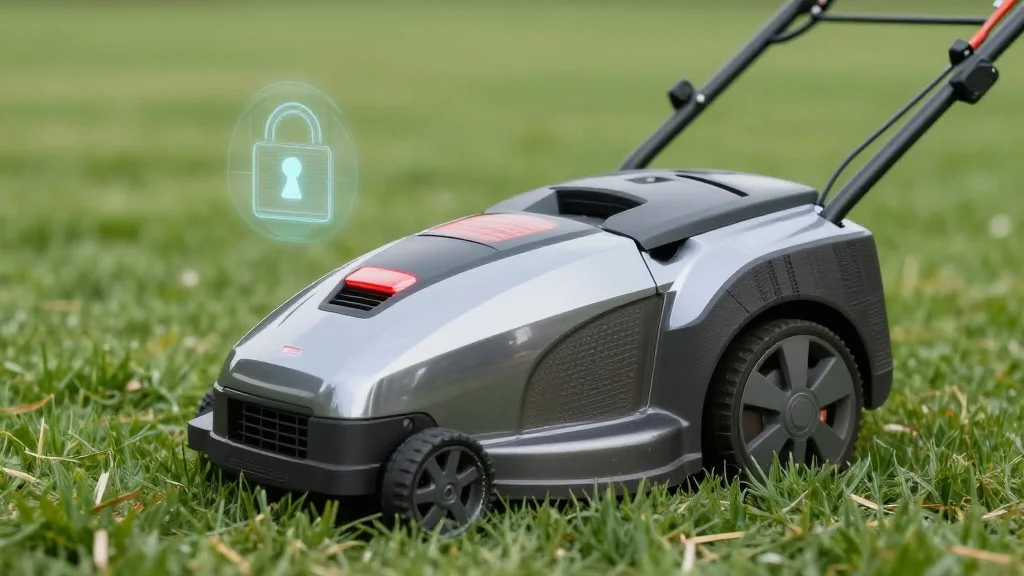
Yarbo Robotic Lawn Mowers Patch After Security Researcher Reveals Remote‑Hijack Flaw in 11,000 Units

Why It Matters
The Yarbo breach illustrates how a single oversight—identical default passwords—can transform a benign household robot into a remote weapon and a potential botnet node. As autonomous devices proliferate in homes, workplaces, and public spaces, the attack surface expands dramatically, raising stakes for privacy, safety, and critical‑infrastructure protection. The incident also pressures legislators and standards bodies to tighten IoT security requirements, potentially reshaping product development cycles for the entire robotics industry. Beyond immediate consumer safety, the flaw highlights a supply‑chain dilemma: many robotics firms outsource hardware and firmware to overseas manufacturers, complicating oversight of security practices. The public backlash against Yarbo may drive manufacturers to adopt more transparent, third‑party security audits and to embed unique credentials at the factory level, setting new norms for the sector.
Key Takeaways
- •Security researcher Andreas Makris uncovered a remote‑access flaw affecting >11,000 Yarbo lawnmowers in 30+ countries.
- •Vulnerability relied on identical default admin passwords, allowing attackers to view cameras, GPS data, and control blades.
- •Yarbo issued emergency firmware that generates device‑specific passwords and disables unauthenticated diagnostic tunnels.
- •The incident triggered warnings from CISA and EU regulators about hard‑coded credentials in consumer IoT devices.
- •Analysts predict tighter security certifications for home robots and possible new legislation on IoT safety.
Pulse Analysis
Yarbo’s breach is a textbook case of how cost‑driven engineering can clash with security imperatives in the fast‑moving consumer robotics market. Historically, manufacturers have prioritized rapid time‑to‑market and low unit costs, often at the expense of robust authentication mechanisms. The fallout from this incident will likely accelerate a shift toward ‘security‑first’ design, where unique credentials are baked into hardware at the factory and remote diagnostics are sandboxed behind multi‑factor authentication.
From a competitive standpoint, firms that can demonstrate verifiable security hygiene will gain a distinct advantage. Companies like iRobot and Ecovacs have already begun marketing encrypted communications and regular OTA updates as differentiators. Yarbo’s decision to retain a manufacturer backdoor—albeit with tighter controls—may be a strategic compromise to preserve service capabilities, but it also opens a reputational risk that rivals can exploit. In the longer term, we may see consolidation as larger players acquire smaller, security‑focused startups to integrate proven hardening techniques.
Regulatory pressure will likely intensify. The U.S. National Institute of Standards and Technology (NIST) is drafting guidelines that could make unique device credentials a compliance requirement for any internet‑connected robot sold domestically. If adopted, the rule would force a redesign of legacy product lines and could spur a wave of recall‑style firmware updates similar to those seen in the automotive sector after the 2023 Jeep hack. For investors, the episode underscores the importance of due‑diligence on cybersecurity posture when evaluating robotics startups, as a single vulnerability can translate into massive liability and brand damage.
Overall, the Yarbo incident serves as a cautionary tale that the convenience of autonomous home devices must be balanced against the reality that every networked robot is a potential entry point for malicious actors. The industry’s response—whether through self‑regulation, third‑party certification, or legislative action—will shape consumer confidence and dictate the pace of adoption for the next generation of smart robots.
Yarbo Robotic Lawn Mowers Patch After Security Researcher Reveals Remote‑Hijack Flaw in 11,000 Units
Comments
Want to join the conversation?
Loading comments...