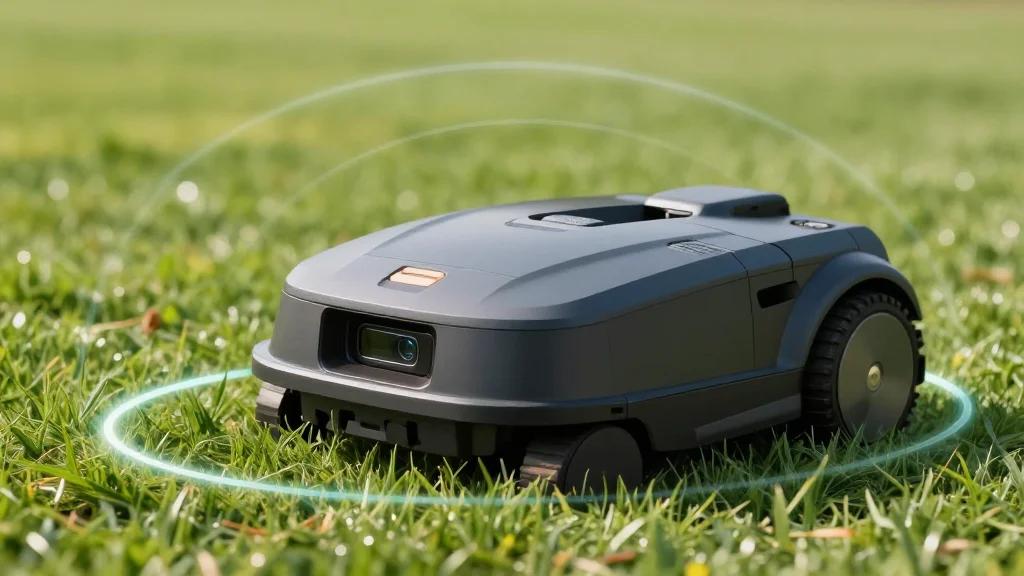
ZDNet Review Finds Navigation Tech Drives Robotic Mower Choices, Prices Remain High

Companies Mentioned
Why It Matters
The review underscores a pivotal moment for consumer robotics: navigation technology has finally caught up with the complexity of real‑world yards, but price and installation barriers still limit mass adoption. By clarifying which navigation method suits which landscape, the article equips homeowners with the knowledge to avoid costly mismatches, potentially reducing product returns and waste. For manufacturers, the analysis signals that future growth hinges on lowering sensor costs and simplifying setup. Companies that can bundle AI‑driven visual navigation with affordable pricing are likely to capture a larger share of the suburban market, accelerating the shift toward fully autonomous home maintenance.
Key Takeaways
- •Three navigation families dominate: wired boundary, GPS/NetRTK, visual AI
- •Husqvarna iQ Series and Automower 430X lead wired‑boundary segment
- •Mammotion Luba 3 and Segway Navimow X4 are top GPS/NetRTK models
- •Visual navigation uses LiDAR, cameras and AI for drop‑and‑mow convenience
- •Expert warns buyers should match mower tech to yard layout, not brand
Pulse Analysis
The robotic mower sector is at a crossroads where technological maturity meets price sensitivity. Over the past three years, AI‑enhanced perception and satellite‑based correction have moved from niche prototypes to commercially viable options, yet the cost curve remains steep. Early adopters—typically affluent suburban homeowners—have driven premium pricing, allowing firms like Husqvarna and Segway to invest heavily in R&D. As sensor economies of scale improve, we can expect a compression of the price gap between wired and visual systems, forcing legacy players to innovate or risk obsolescence.
Competitive dynamics are also shifting. Traditional lawn‑care equipment manufacturers, accustomed to selling gasoline‑powered mowers, now face startups that specialize in software‑first robotics. The latter can iterate faster on AI algorithms, delivering better obstacle avoidance and adaptive mowing patterns. However, they lack the distribution networks and brand trust that incumbents enjoy. Partnerships—such as integrating robot mowers with existing smart‑home platforms—could become a decisive factor, offering a seamless user experience that justifies a higher price point.
Looking forward, the industry’s growth will likely be driven by hybrid navigation solutions that blend the reliability of wired boundaries with the flexibility of visual AI. Such convergence could lower installation friction while preserving accuracy, opening the market to renters and smaller properties that previously found robotic mowers impractical. If manufacturers can achieve this balance before the next price drop, the next five years could see robotic lawn mowers transition from a premium novelty to a standard home‑automation component.
ZDNet Review Finds Navigation Tech Drives Robotic Mower Choices, Prices Remain High
Comments
Want to join the conversation?
Loading comments...