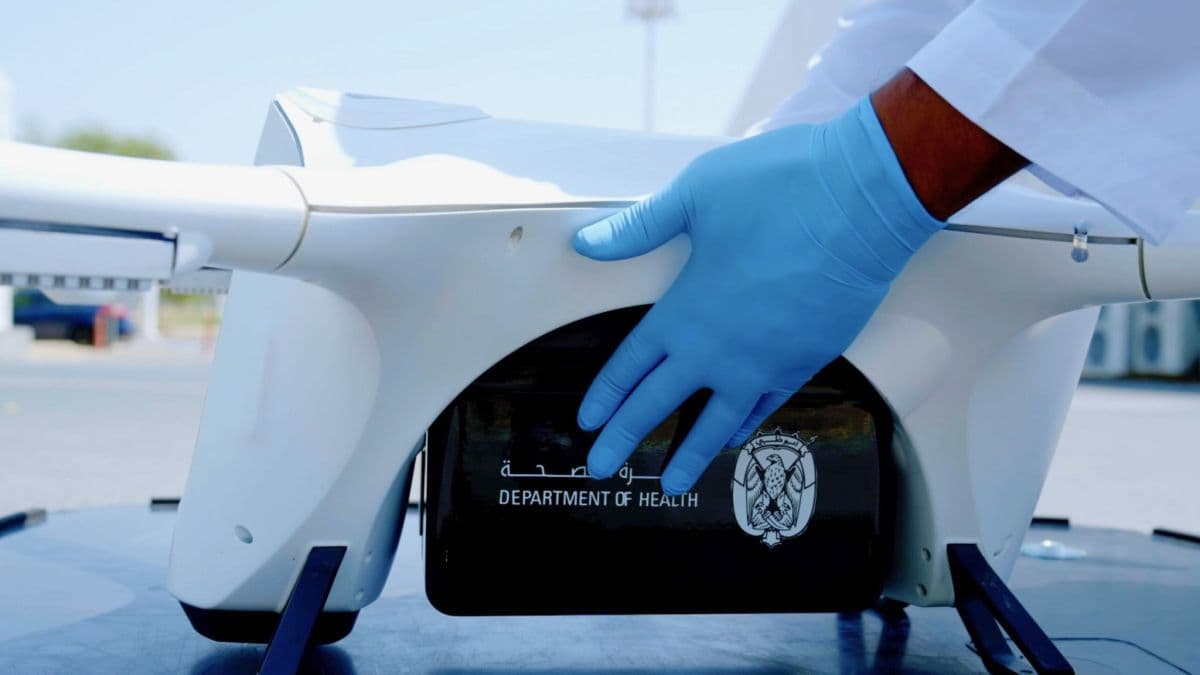
Amprius and Matternet Partner to Advance Drone Delivery

Why It Matters
Higher‑energy batteries directly boost drone range, payload capacity and utilization, accelerating the economics of urban aerial logistics and giving Matternet a competitive edge in the emerging drone delivery market.
Key Takeaways
- •Amprius silicon‑anode cells double conventional battery energy density
- •Cells already deployed in Matternet’s M2 delivery drones
- •Collaboration targets optimized battery packs for 2027 fleet expansion
- •Higher range and payload cut delivery cost per mile
- •FAA‑certified drone platform gains competitive edge via faster charging
Pulse Analysis
The urban drone delivery sector is moving from pilot projects to scalable commercial operations, but battery weight remains a critical bottleneck. Operators must balance range, payload, and turnaround time while keeping per‑delivery costs low enough to compete with ground logistics. As cities tighten airspace regulations, manufacturers are racing to produce lighter, higher‑energy storage that can meet FAA Type Certification requirements without sacrificing safety or reliability. In this environment, battery innovation is as strategic as aircraft design itself.
Silicon‑anode technology, championed by Amprius, offers roughly twice the energy density of conventional graphite cells, translating into longer flight times and heavier payloads for the same weight budget. The higher specific energy also reduces the number of charge cycles needed per day, improving fleet utilization and lowering operational expenses. By tailoring cell form factor, thermal management and charge rates to Matternet’s aircraft architecture, the partnership can fine‑tune performance metrics such as cycle life and power density, essential for high‑frequency delivery routes in dense urban corridors.
The collaboration signals a maturing ecosystem where battery suppliers and drone operators co‑develop integrated solutions rather than sourcing off‑the‑shelf components. With Amprius targeting volume production aligned to Matternet’s 2027 expansion, the combined offering could set a new benchmark for cost‑per‑mile and service area reach, pressuring competitors to accelerate their own battery roadmaps. Investors and logistics firms will watch closely as this synergy potentially unlocks broader adoption of BVLOS operations, positioning drone delivery as a viable complement to traditional last‑mile transport.
Amprius and Matternet Partner to Advance Drone Delivery
Comments
Want to join the conversation?
Loading comments...