Clearing the Skies: How China’s Capital Is Paving the Way for a £217bn Low-Altitude Economy

Why It Matters
The ban reshapes China’s UAV market, protecting a multi‑billion‑dollar commercial air‑mobility sector while curtailing consumer use, setting a precedent for urban airspace governance worldwide.
Key Takeaways
- •Beijing bans all drone sales, shipments, and transport within city limits.
- •DJI stores cleared shelves; consumers rushed to buy spare parts before deadline.
- •Real‑name registration and flight approvals now required for any Beijing drone operation.
- •Ban aims to protect low‑altitude economy projected at $277 billion by 2035.
- •Storage sites prohibited inside Sixth Ring Road; outside zones face strict audits.
Pulse Analysis
Beijing’s new drone ordinance represents an unprecedented level of hardware control in a major metropolis. By outlawing retail sales, online listings, and even courier deliveries, the city has effectively removed consumer drones from its skies. The crackdown forced DJI’s flagship outlets to empty shelves and prompted a surge of last‑minute purchases, while e‑commerce giants complied by disabling all Beijing‑bound listings. The regulatory net also extends to ownership, requiring real‑name registration, mandatory training, and pre‑flight clearance for every device, and it tightly monitors storage facilities, especially within the central Sixth Ring Road.
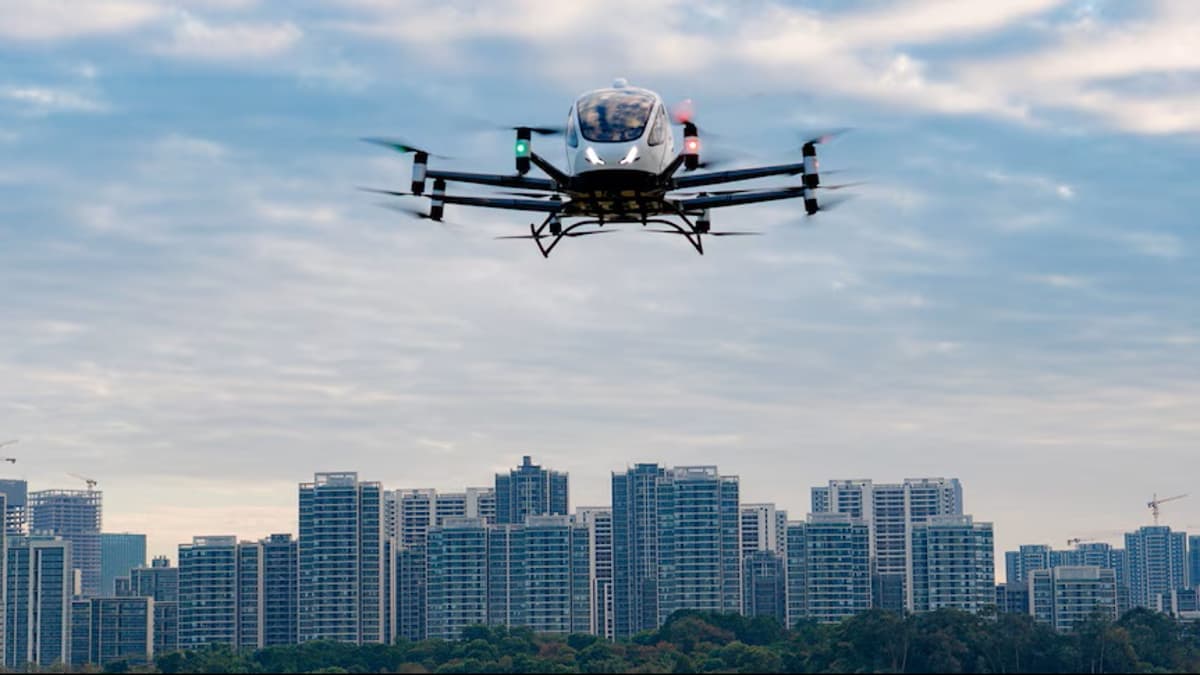
The policy is framed as a safety and security measure, but its deeper driver is China’s ambition to dominate the emerging low‑altitude economy. Officials project that commercial UAV services—ranging from parcel delivery to passenger‑grade air taxis—could generate over two trillion yuan (about $277 billion) by 2035. Unregulated hobby drones pose collision risks to these high‑value, autonomous networks, prompting the city to prioritize controlled air corridors over recreational freedom. By eliminating “cowboy” pilots, Beijing hopes to create a predictable environment for fleet operators, insurers, and infrastructure developers, accelerating investment in automated air mobility and related technologies.
Globally, the Beijing model offers a stark contrast to the United States and United Kingdom, where regulations focus on flight paths rather than device lifecycle. As other megacities grapple with integrating delivery drones and urban air taxis, they will watch Beijing’s experiment closely. If the ban proves effective at safeguarding commercial traffic without stifling innovation, it could become a template for future airspace governance. Conversely, the suppression of a vibrant hobbyist community may spark pushback and demand more balanced frameworks that accommodate both safety and consumer enthusiasm.
Clearing the Skies: How China’s Capital is Paving the Way for a £217bn Low-Altitude Economy
Comments
Want to join the conversation?
Loading comments...