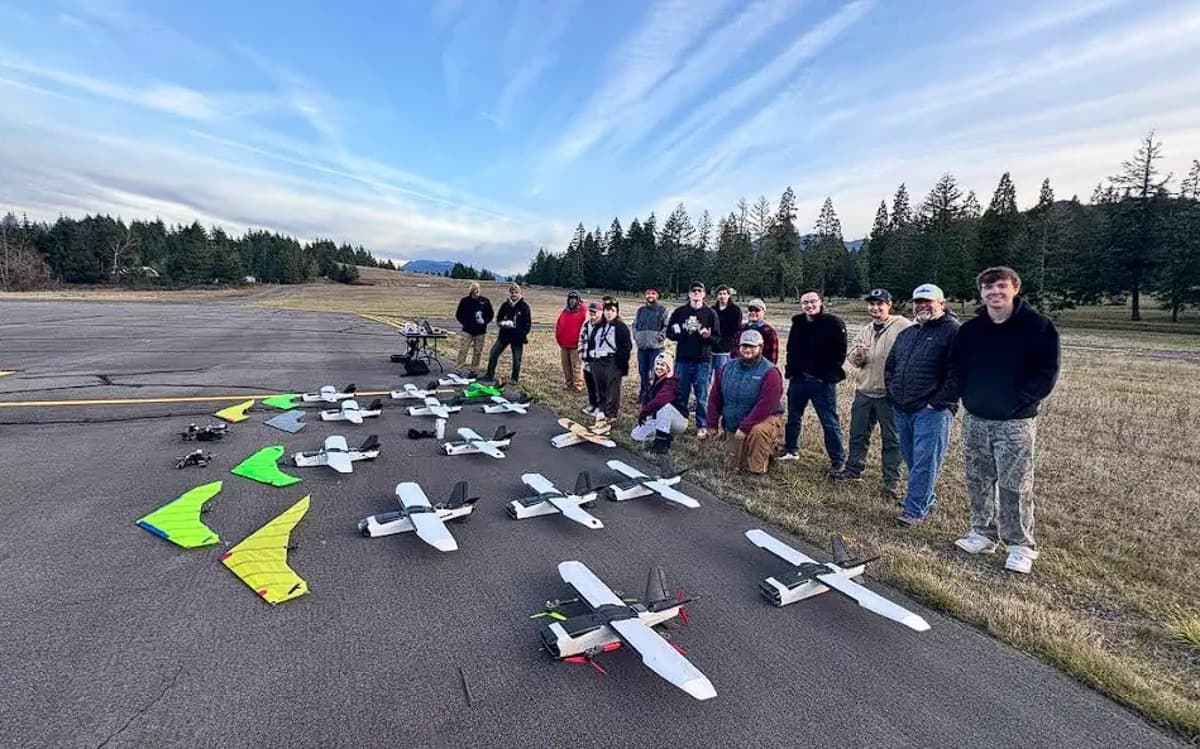
From Public Works to Public Safety: How to Structure Your Agency’s Drone Program

Why It Matters
Standardized drone policies protect civil liberties while unlocking operational efficiencies for public agencies. Failure to follow the manual’s guidelines can expose municipalities to legal risk, safety incidents, and public‑trust erosion.
Key Takeaways
- •Oregon template defines roles: Program Manager, Operations Coordinator, RPIC.
- •Safety Management System uses four pillars and “Check 3 GPS” habit.
- •Federal Part 107 and Oregon ODAV registration required for all flights.
- •Data privacy governed by ORS 837.362 and public records law.
- •Annex B limits law‑enforcement drone use to warrant‑based missions.
Pulse Analysis
Public agencies are rapidly adopting unmanned aircraft systems to inspect infrastructure, map terrain, and support emergency response. Yet the regulatory landscape is fragmented, spanning federal FAA rules, state statutes, and local privacy concerns. Oregon’s comprehensive manual bridges these gaps by delivering a single, adaptable blueprint that agencies can modify to fit their mission sets, reducing the time and cost of drafting policies from scratch.
At the heart of the template is a clear governance hierarchy—Program Manager, Flight Operations Coordinator, and Remote Pilot in Command—paired with a four‑pillar Safety Management System. The “Check 3 GPS” protocol (Gear, Plan, Skills) and a detailed Risk Assessment Matrix embed risk‑aware decision‑making into every sortie. By mandating Part 107 certification, LAANC airspace authorizations, and Oregon Department of Aviation registration, the manual ensures legal compliance while the data‑minimization guidelines and ORS 837.362 requirements safeguard citizen privacy and public‑record obligations.
The optional annexes extend the framework to high‑stakes scenarios. Annex A integrates drones into incident‑command structures for disaster relief, while Annex B delineates strict warrant‑based limits for law‑enforcement use, reflecting Oregon’s emphasis on civil liberties. As inter‑agency collaborations become commonplace, written agreements on operational control, data ownership, and insurance are essential to avoid liability. Agencies that adopt and continuously refine this template will reap efficiency gains, mitigate legal exposure, and build public confidence in the expanding role of drones.
From Public Works to Public Safety: How to Structure Your Agency’s Drone Program
Comments
Want to join the conversation?
Loading comments...