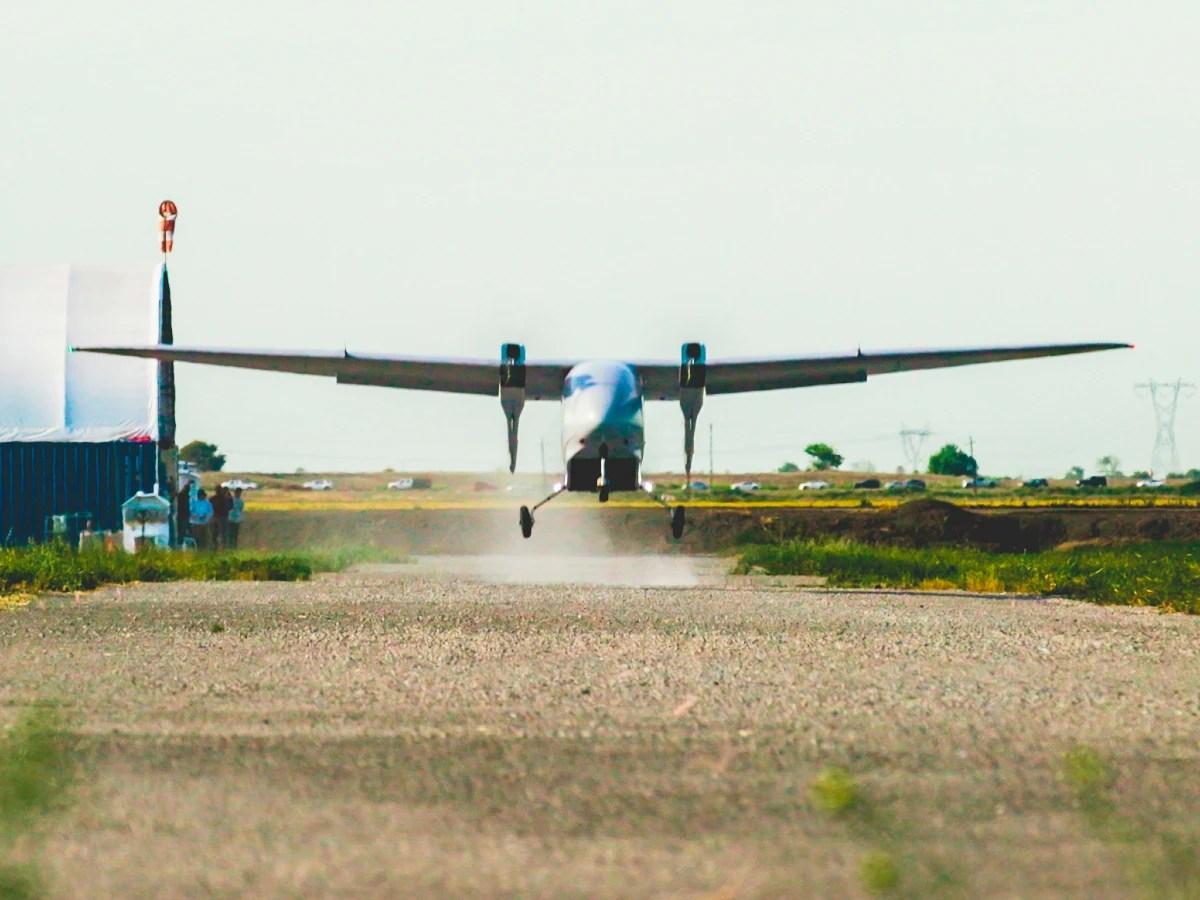
Pyka’s Autonomous DropShip Completes First Flight

Why It Matters
The six‑month timeline shows autonomous cargo aircraft can be fielded quickly and affordably, giving militaries and commercial operators a new tool for resilient supply chains in contested zones.
Key Takeaways
- •DropShip flew after just six months of development.
- •Uses 1,400‑lb MTOW platform with 10,000+ prior flights.
- •Hybrid propulsion and modular design enable austere‑environment logistics.
- •Aims to lower cost vs comparable autonomous cargo aircraft.
- •Scalable manufacturing supports rapid fielding for defense missions.
Pulse Analysis
Pyka’s DropShip achievement marks a rare convergence of speed and scale in autonomous aviation. Leveraging a commercial platform that has already amassed over 10,000 flight cycles, the company compressed a full concept‑to‑flight program into six months—a timeline that would traditionally span years. This rapid cadence is rooted in Pyka’s iterative software stack, proven electric‑propulsion hardware, and a manufacturing pipeline honed on agricultural and logistics contracts, allowing the firm to sidestep many of the prototyping delays that plague defense‑focused UAV projects.
The strategic value of a heavy‑lift, hybrid‑propulsion UAV lies in its ability to sustain supply lines where traditional aircraft face air‑defense threats or lack runway infrastructure. DropShip’s modular payload bay and precision airdrop capability let operators swap mission kits—from medical supplies to ammunition—within minutes, while its electric‑assisted propulsion reduces fuel consumption and acoustic signature. Compared with legacy manned cargo helicopters or emerging autonomous cargo drones, DropShip promises a lower acquisition cost and faster unit production, positioning it as a cost‑effective alternative for both the Pentagon’s contested‑logistics initiatives and commercial firms seeking resilient last‑mile delivery.
Looking ahead, Pyka plans an expanded flight‑test campaign to stretch the aircraft’s envelope, validate reliability under hostile conditions, and certify the system for operational use. Successful certification could unlock a sizable market: the U.S. Department of Defense is investing billions in autonomous logistics, and commercial logistics providers are exploring drone‑based freight to mitigate supply‑chain disruptions. If Pyka can maintain its rapid‑development model while scaling production, DropShip could set a new benchmark for autonomous cargo solutions, prompting competitors to accelerate their own programs and reshaping how critical goods are moved in both warfighting and peacetime scenarios.
Pyka’s Autonomous DropShip Completes First Flight
Comments
Want to join the conversation?
Loading comments...