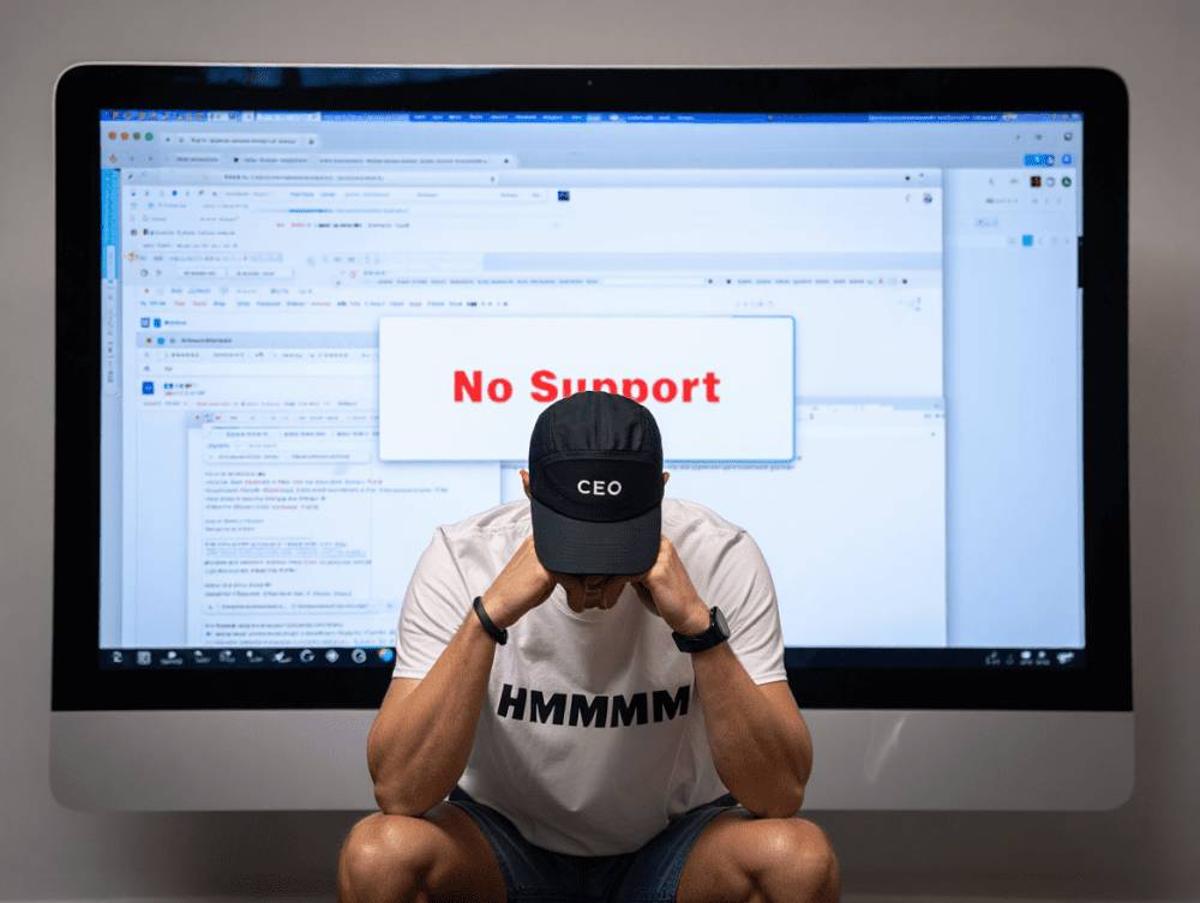
The “Buy Your Own Product” Test: Why Every B2B Founder Should Be Their Own Customer (At Least For A Day)
•November 29, 2025
0
Why It Matters
Experiencing the buyer journey firsthand reveals conversion‑killing gaps that directly impact revenue and churn, making the exercise essential for scaling SaaS businesses.
Key Takeaways
- •Contact forms often become silent black holes.
- •Support delays reveal hidden churn drivers.
- •In‑app upgrade friction directly reduces ARR.
- •Founder testing forces rapid, customer‑centric fixes.
Pulse Analysis
In the hyper‑competitive B2B SaaS landscape, the buying experience has become a decisive differentiator. While founders obsess over feature sets and engineering velocity, the front‑line interactions—contact forms, support tickets, and upgrade flows—often remain untested. By treating the product as a regular prospect, founders uncover hidden friction that traditional metrics like NPS or usage dashboards miss. This hands‑on audit surfaces systemic issues such as unanswered inquiries, outdated knowledge bases, and mismatched pricing displays, all of which erode conversion efficiency and inflate customer acquisition costs.
The strategic value of this self‑purchase test extends beyond empathy; it drives immediate, data‑backed improvements. When a founder discovers a three‑hour silence after submitting a demo request, the remedy is a simple automation tweak that can shave days off the sales cycle. Similarly, identifying a broken in‑app upgrade path prompts a redesign that can unlock incremental monthly recurring revenue (MRR) without additional marketing spend. By quantifying response times and step counts, teams can prioritize fixes with the highest ROI, turning what was once a vague pain point into a concrete, sprint‑ready backlog item.
Embedding this practice into the company culture cultivates a product‑led growth mindset. Regularly scheduled founder‑buyer simulations keep the organization aligned with real‑world expectations, ensuring that every new feature or UI change is vetted through the lens of a prospective customer. As SaaS firms scale from ten to hundreds of employees, this disciplined empathy prevents the drift that typically separates leadership from the end‑user. Ultimately, the "buy your own product" test becomes a low‑cost, high‑impact lever for boosting conversion rates, reducing churn, and sustaining long‑term growth in an increasingly demanding market.
The “Buy Your Own Product” Test: Why Every B2B Founder Should Be Their Own Customer (At Least For A Day)
0
Comments
Want to join the conversation?
Loading comments...