Other
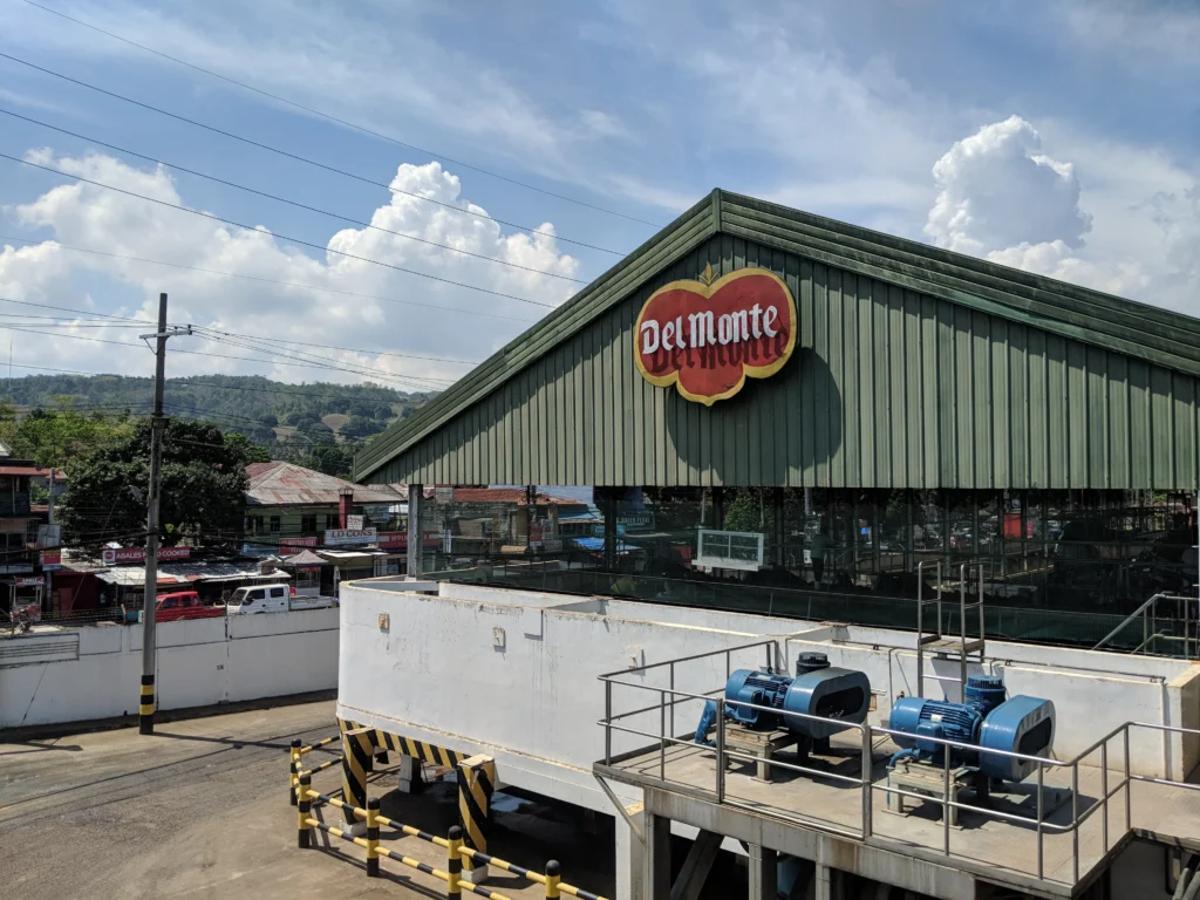
Del Monte Foods Secures $912.5M Debtor-in-Possession Financing Amid Bankruptcy
•July 3, 2025
•Jul 3, 2025
0
Participants

Why It Matters
The filing signals a turning point for shelf‑stable categories, highlighting how tariff‑driven cost spikes and evolving consumer tastes can destabilize legacy food manufacturers. Retailers and suppliers must reassess pricing, packaging, and product mix to stay competitive.
Key Takeaways
- •Declining canned food demand drives revenue slump
- •New steel/aluminum tariffs add $100M+ costs
- •$1.3B debt and excess inventory strain finances
- •Bankruptcy aims for court‑supervised asset sale
- •Industry shift toward fresh, private‑label alternatives
Pulse Analysis
Consumer preferences have been moving away from preservative‑laden canned goods toward fresher, healthier options. Inflationary pressure on grocery bills further nudges shoppers to private‑label brands that offer lower prices. For a company like Del Monte, whose core portfolio is anchored in mid‑priced canned staples, the erosion of demand created a revenue gap that non‑canned product growth could not fill, leaving the business vulnerable to broader market shifts.
The June 2025 U.S. tariffs on imported steel and aluminum imposed roughly a 50 percent duty on the metal used for cans, inflating Del Monte’s packaging expense by more than $100 million year‑over‑year. With volumes already contracting, the added cost dramatically compressed margins, turning a long‑term structural challenge into an immediate solvency issue. This tariff impact illustrates how policy changes can disproportionately affect industries reliant on a single material input, especially when combined with existing financial strain.
Beyond Del Monte, the bankruptcy underscores a systemic risk for legacy shelf‑stable producers. Analysts expect future success to hinge on diversification into fresh produce, beverages, or trend‑driven processed foods, as well as adopting alternative packaging to mitigate metal‑price volatility. The court‑supervised sale may produce a leaner entity capable of rapid innovation, but the broader market lesson is clear: brands must align product portfolios with evolving consumer tastes and hedge against macro‑economic shocks to remain viable in the modern grocery aisle.
Deal Summary
Del Monte Foods, the 139‑year‑old canned‑food producer, filed for Chapter 11 bankruptcy and secured $912.5 million in debtor‑in‑possession financing to keep operations running while it pursues a court‑supervised sale of its assets. The financing, arranged with key lenders, aims to provide liquidity amid falling demand and rising metal‑packaging costs.
0
Comments
Want to join the conversation?
Loading comments...