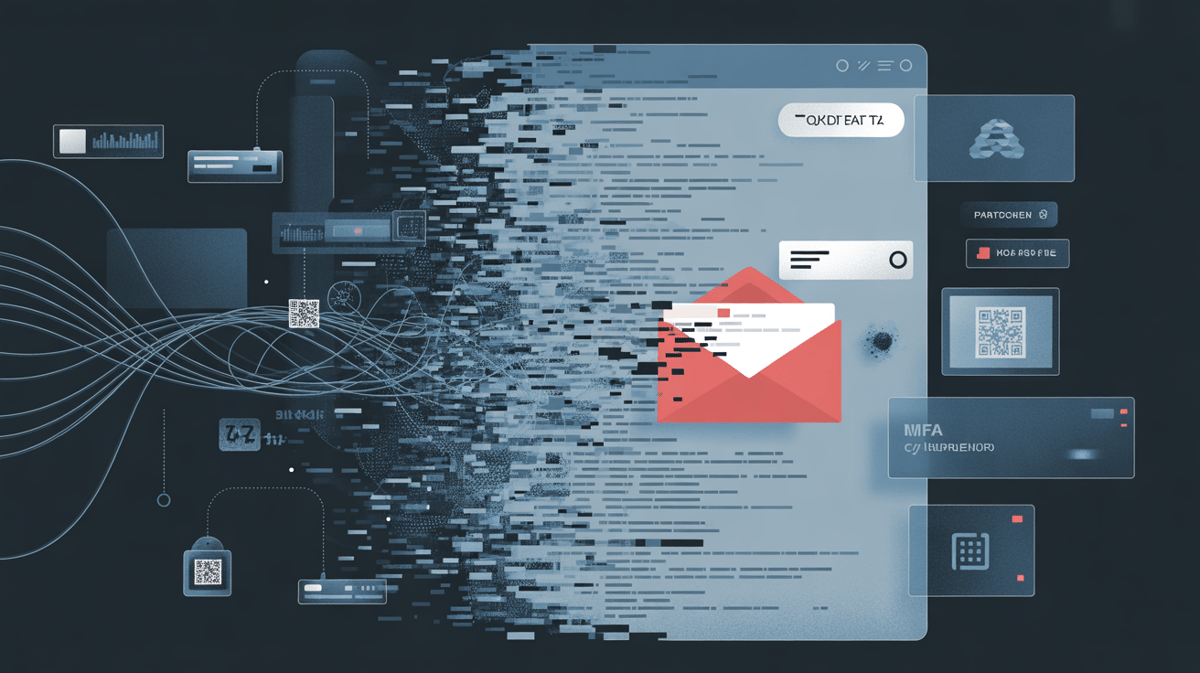
Barracuda Report Finds Phishing Kits Doubled in 2025 as Attacks Grew More Evasive
•January 7, 2026
0
Companies Mentioned


Why It Matters
The rapid expansion and technical maturity of phishing kits dramatically raise breach risk for enterprises, forcing a shift toward more adaptive, AI‑driven defenses.
Key Takeaways
- •Phishing kits doubled in 2025, driving attack volume
- •90% of high‑volume campaigns used kit‑as‑a‑service
- •AI‑generated content boosts email realism and bypasses filters
- •MFA bypass, QR codes used in half campaigns
- •Legacy kits like Mamba 2FA still generate millions of attacks
Pulse Analysis
The commoditization of phishing kits has turned what was once a niche capability into a mass‑market service. By lowering the technical barrier, these kits enable even low‑skill actors to launch campaigns that mimic legitimate communications with uncanny fidelity. This democratization explains the sharp rise in attack volume and the diversification of threat actors, from organized crime groups to opportunistic insiders, all leveraging the same turnkey solutions.
Technically, 2025 saw phishing kits integrate generative AI to craft messages that replicate corporate branding, tone, and even personalized references. Coupled with sophisticated evasion tactics—such as multi‑factor authentication bypass, URL obfuscation, and nested QR codes—these kits can slip past conventional email filters and endpoint protections. The inclusion of browser‑in‑the‑browser and dynamic subdomain generation further complicates automated analysis, forcing defenders to confront threats that adapt in real time.
For security leaders, the report underscores the urgency of evolving beyond signature‑based defenses. AI‑enhanced detection platforms that analyze behavioral anomalies, combined with zero‑trust authentication frameworks, are becoming essential. Regular, scenario‑based phishing awareness training can mitigate human error, while continuous threat‑intel sharing helps organizations stay ahead of emerging kit variants. As phishing kits continue to proliferate, the industry’s resilience will hinge on integrating adaptive technologies and fostering a security‑first culture.
Barracuda report finds phishing kits doubled in 2025 as attacks grew more evasive
0
Comments
Want to join the conversation?
Loading comments...