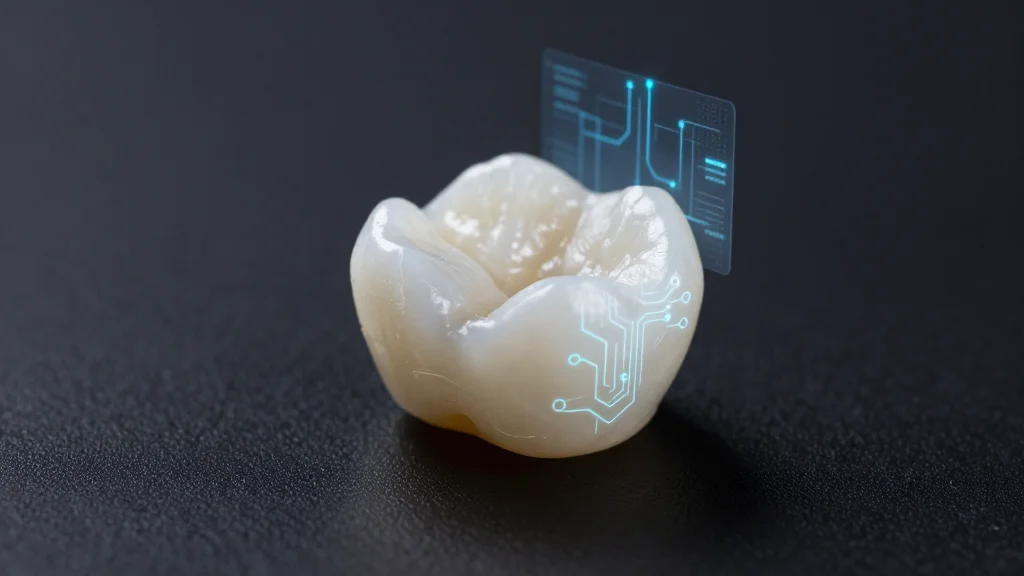
Dental Intelligence Launches AI‑powered SaaS Tools for Dental Practices

Why It Matters
The introduction of AI into a vertical SaaS platform like Dental Intelligence illustrates how niche cloud providers are moving from data aggregation to actionable intelligence. For dental practices, the promise of automated workflow recommendations and predictive patient engagement could shrink administrative overhead and improve clinical outcomes, a shift that may set a new benchmark for other specialty SaaS markets. Moreover, the launch underscores a broader industry trend: AI is no longer a peripheral add‑on but a core differentiator that can drive subscription upgrades, customer retention, and new revenue streams. As more vertical SaaS firms embed domain‑specific AI, the competitive landscape will increasingly reward those that can prove tangible ROI rather than merely showcase flashy demos.
Key Takeaways
- •Dental Intelligence announced three AI‑powered features to debut in Q2 2026.
- •Features aim to automate workflow, boost case acceptance and preserve patient‑provider interaction.
- •CTO Sudarshan Raghunathan emphasized practical problem‑solving over flashy demos.
- •Early‑access sign‑up portal opened for existing customers, with rollout slated for April‑September 2026.
- •AI integration could enable higher subscription tiers and pressure competitors to accelerate their own AI roadmaps.
Pulse Analysis
Dental Intelligence’s AI rollout is a textbook case of vertical SaaS evolution. Historically, specialty cloud platforms have excelled at aggregating industry‑specific data but have lagged in turning that data into prescriptive actions. By embedding AI directly into the practice management workflow, DI is converting its data advantage into a defensible product moat. This move is likely to increase customer stickiness; practices that rely on AI‑generated insights for scheduling or revenue forecasting will face higher switching costs.
From a market dynamics perspective, the announcement could catalyze a wave of AI investment across the dental tech ecosystem. Larger incumbents like Henry Schein have the resources to develop comparable features, but they must overcome legacy architecture constraints. In contrast, DI’s cloud‑native stack allows rapid iteration, giving it a first‑mover edge in the AI‑enabled niche. Investors will watch adoption metrics closely—if early adopters report measurable efficiency gains, we could see a premium placed on DI’s valuation in the next funding round.
However, the rollout is not without risk. AI models trained on practice data must meet stringent privacy and compliance standards, especially under HIPAA. Any misstep could erode trust and invite regulatory scrutiny. Additionally, the promised benefits hinge on the quality of the underlying data; practices with fragmented record‑keeping may see limited impact. Success will therefore depend on DI’s ability to guide customers through data hygiene and model training, turning a technical feature into a business outcome.
Dental Intelligence launches AI‑powered SaaS tools for dental practices
Comments
Want to join the conversation?
Loading comments...