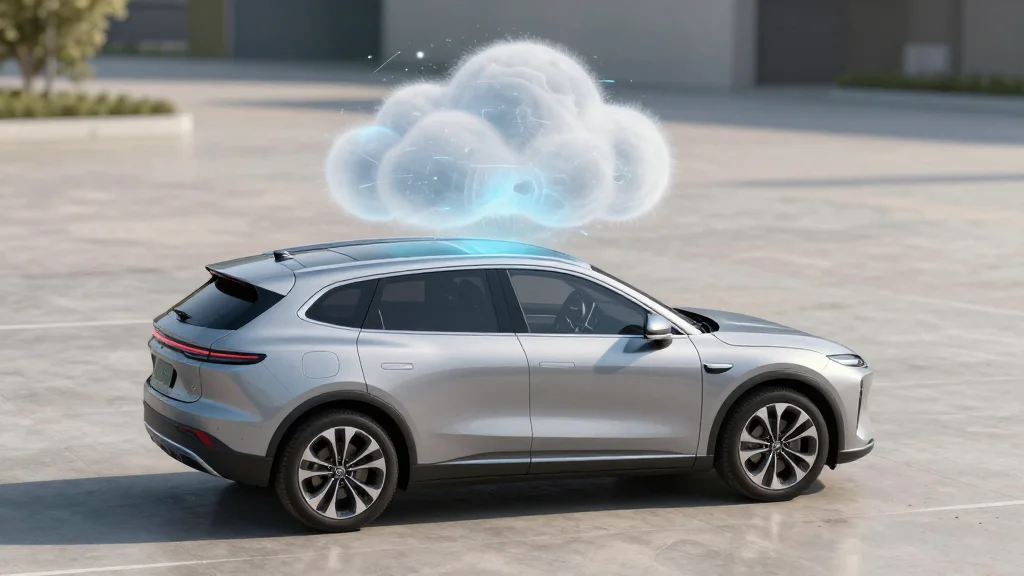
Fisker Bankruptcy Cuts OTA Updates, Owners Launch Open‑source Car Support

Why It Matters
The Fisker case illustrates that reliance on cloud‑based vehicle software creates a single point of failure that can jeopardize safety, resale value, and consumer confidence. As more OEMs adopt OTA‑centric architectures, regulators and financiers will likely demand contractual protections—such as source‑code escrow or mandatory third‑party support clauses—to ensure continuity of essential functions. For the broader SaaS ecosystem, the owners’ open‑source initiative demonstrates a new model of user‑led service continuity. If replicated, it could pressure software vendors across industries to provide transparent handover mechanisms, reducing the risk that a provider’s insolvency leaves customers stranded.
Key Takeaways
- •Fisker’s Chapter 11 filing halted OTA updates for ~11,000 Ocean SUVs
- •FOA grew to ~4,000 members and launched a volunteer‑run open‑source support network
- •Owners negotiated key‑fob prices down from ~$1,000 to a fraction
- •The community secured court‑approved recall processes and new parts pipelines
- •The episode spotlights systemic risk in automotive SaaS models reliant on a single cloud provider
Pulse Analysis
Fisker’s bankruptcy is a cautionary tale for any automaker betting heavily on SaaS‑driven vehicle functionality. Historically, OEMs have kept safety‑critical code on‑board, but the Ocean’s architecture pushed even brakes and airbags to the cloud. When the cloud vanished, the vehicle’s utility evaporated, creating a liability vacuum that owners felt compelled to fill. This mirrors earlier software‑as‑a‑service failures in enterprise IT, where customers have demanded source‑code escrow after vendor bankruptcies. The automotive sector now faces a similar pressure point, amplified by regulatory scrutiny over vehicle safety.
From a market perspective, the FOA’s rapid mobilization could reshape how investors evaluate SaaS‑centric car makers. Valuations may incorporate a risk premium for continuity‑of‑service clauses, and lenders might require escrowed code or third‑party maintenance guarantees as covenants. Meanwhile, venture capitalists could see opportunity in building independent service layers that sit atop OEM hardware, offering continuity regardless of the original manufacturer’s fate. Companies that can certify open‑source patches to meet safety standards could capture a niche but growing aftermarket.
In the longer term, the Fisker episode may accelerate the push toward modular, standards‑based automotive software stacks. Industry consortia such as AUTOSAR are already working on open interfaces; a real‑world failure like Fisker could provide the impetus needed for broader adoption. If OEMs adopt such standards, owners will retain the ability to switch service providers without losing core functionality, reducing systemic risk and potentially fostering a competitive ecosystem of third‑party automotive SaaS providers.
Fisker bankruptcy cuts OTA updates, owners launch open‑source car support
Comments
Want to join the conversation?
Loading comments...