Companies Mentioned


Why It Matters
By turning AI‑driven video production into a standard Workspace feature, Google gives enterprises and educators a fast, cost‑effective way to create visual content, reshaping internal communications, training, and learning experiences.
Key Takeaways
- •Flow now free for all Workspace customers
- •Generates HD video from simple text prompts
- •Powered by Veo 3.1 and Nano Banana Pro models
- •Admins can enable or disable per group
- •Accelerates training, marketing, and educational content creation
Pulse Analysis
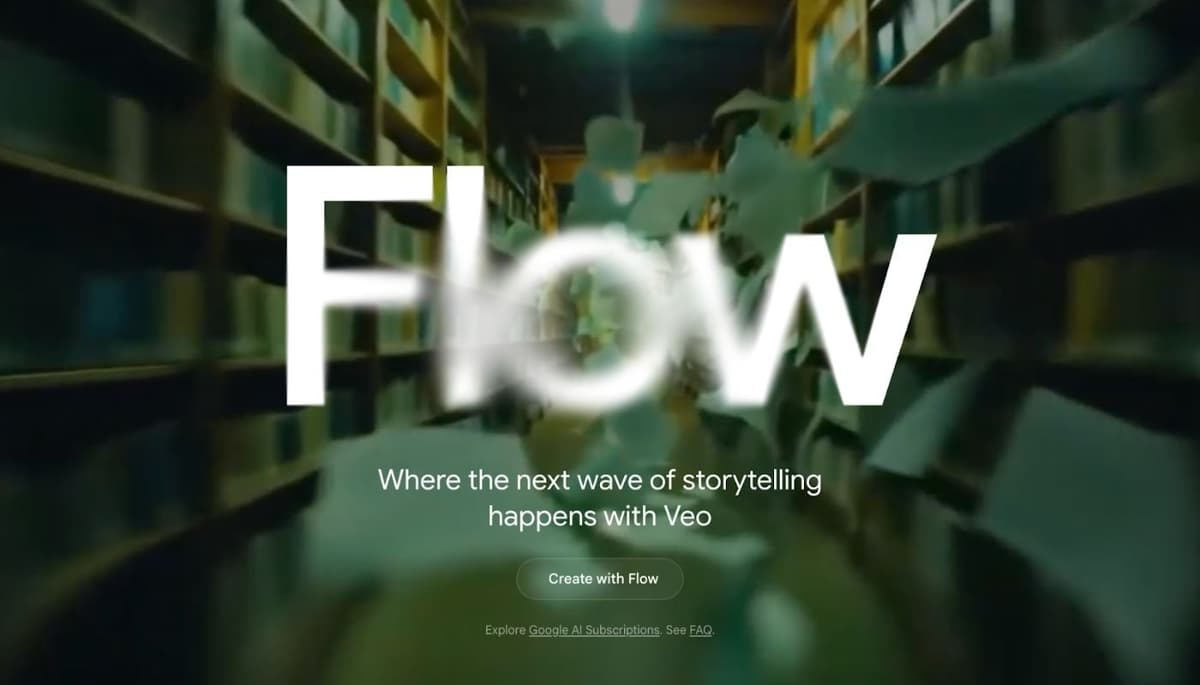
The arrival of AI‑generated video tools marks a shift from niche experimentation to everyday productivity, and Google’s decision to bundle Flow with Workspace underscores that trend. Unlike standalone platforms that require separate subscriptions, Flow’s integration leverages the same cloud infrastructure that powers Docs, Slides, and Meet, allowing seamless asset sharing and collaborative editing. By tapping into Veo 3.1’s generative video capabilities and Nano Banana Pro’s image synthesis, the service can render cinematic scenes in minutes, dramatically lowering the barrier for non‑technical creators.
For businesses, the practical upside is speed. Marketing teams can spin up product demos, social clips, or internal announcements without hiring external agencies, while HR can produce engaging onboarding videos on the fly. Educators gain a dynamic teaching aid, turning complex concepts—such as scientific processes or historical timelines—into visual narratives that resonate with students. The text‑prompt workflow aligns with the broader trend of low‑code content creation, enabling rapid prototyping and iterative storytelling across departments.
Google also addresses enterprise governance by embedding Flow as an optional Google service that admins can toggle per organizational unit. This granular control mitigates concerns over brand consistency, data privacy, and resource usage, while still offering the flexibility to pilot the technology in select teams. As competitors like Microsoft and Adobe roll out their own AI video suites, Google’s early integration may set a benchmark for how AI media tools are adopted at scale, influencing budgeting decisions and talent acquisition in the coming years.
Google Brings AI Videomaker ‘Flow’ to All Workspace Users
0
Comments
Want to join the conversation?
Loading comments...