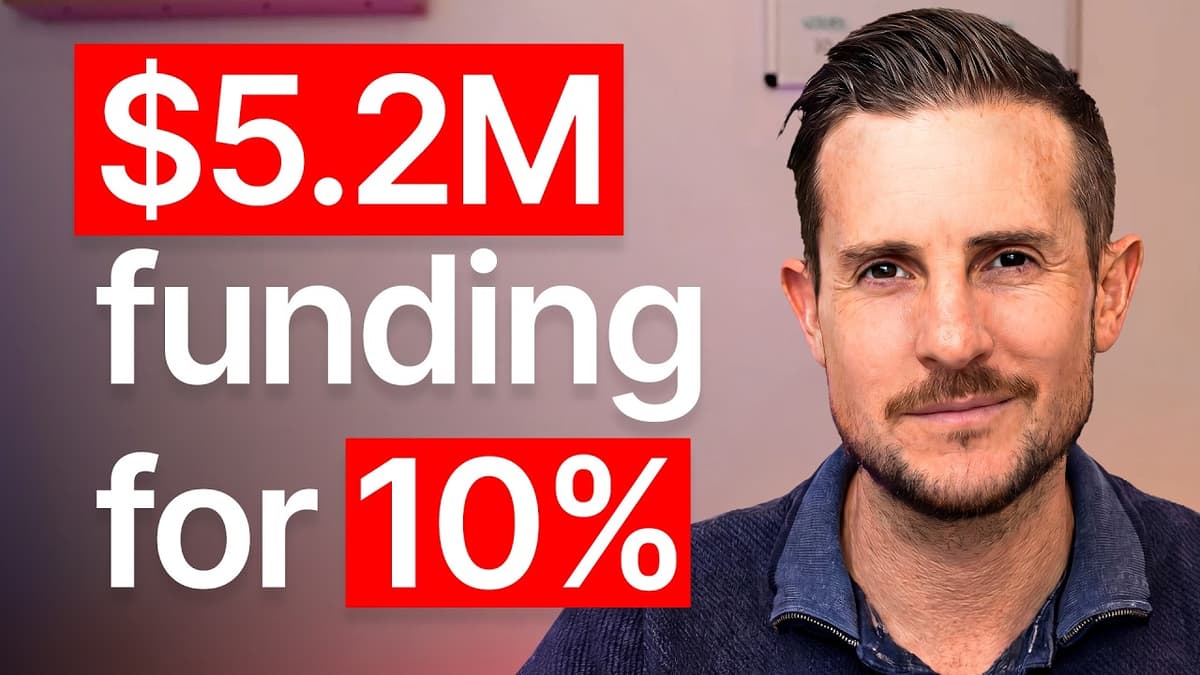
How to Get Millions in Founder Liquidity Without Giving Up Control of Your SaaS Business
•February 27, 2026
0

Why It Matters
Liquidity frees founders from personal financial exposure, allowing them to focus on scaling the SaaS business rather than short‑term survival, which accelerates growth and market leadership.
Key Takeaways
- •Build durable SaaS metrics before seeking liquidity
- •Use secondary shares, RBF, or minority recap for cash
- •Retain majority ownership and protect board rights
- •Founder liquidity enables longer‑term strategic decisions
- •Strong unit economics increase leverage with investors
Pulse Analysis
The SaaS landscape has matured to a point where founders no longer need to wait for a full acquisition or IPO to realize personal wealth. Traditional exit models lock up equity for years, tying personal financial security to company performance and market timing. By treating liquidity as a byproduct of operational strength, founders can decouple personal risk from business risk, creating a safety net that encourages bolder product investments and talent acquisition.
Three primary mechanisms now dominate founder‑friendly liquidity. Secondary share sales let founders sell a portion of their equity during a growth round, preserving control while injecting cash. Revenue‑based financing offers non‑dilutive capital repaid as a percentage of monthly revenue, aligning repayment with business health. Structured minority recapitalizations bring in growth‑equity partners for a small stake, delivering immediate cash and future upside. Each option hinges on robust metrics—high net revenue retention, clear payback periods, and healthy margins—to command favorable terms.
The final piece is deal architecture. Maintaining majority ownership, safeguarding board composition, and avoiding overly protective preferred terms ensure founders retain decision‑making power. Aligning with investors who share a long‑term vision further protects the company’s strategic roadmap. When founders secure liquidity on their own terms, they gain the mental bandwidth to pursue ambitious growth initiatives, ultimately delivering greater value to both shareholders and customers.
How to Get Millions in Founder Liquidity Without Giving Up Control of Your SaaS Business
0
Comments
Want to join the conversation?
Loading comments...