PTC Adds Cloud-Native MBD Tools to Onshape Platform
•March 5, 2026
0
Why It Matters
Integrating MBD natively in a cloud CAD environment accelerates product definition, improving collaboration and reducing costly rework across the manufacturing value chain.
Key Takeaways
- •Onshape now includes cloud-native MBD tools.
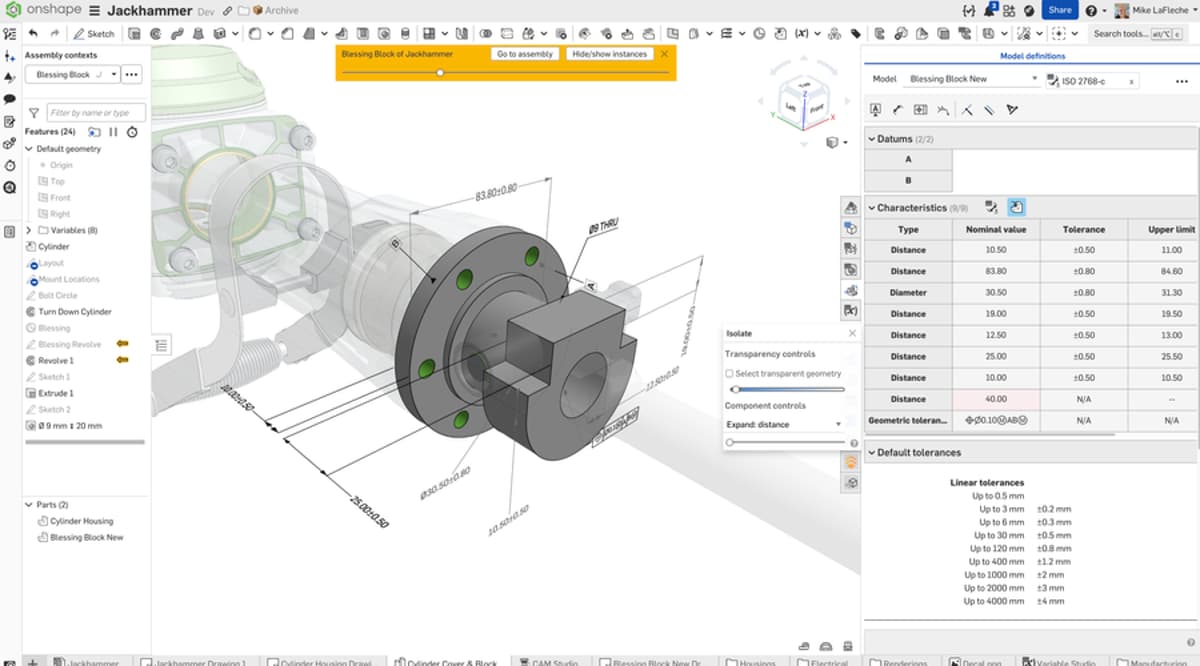
- •3D GD&T annotations integrated directly into models.
- •Filterable PMI panel streamlines inspection data.
- •Shareable URL views enable browser‑based collaboration.
- •STEP AP242 export supports downstream compliance workflows.
Pulse Analysis
The rise of cloud‑based CAD platforms has reshaped how product data is created and managed, and PTC’s latest MBD integration marks a pivotal step toward a fully digital product definition. Traditional file‑centric workflows often scatter GD&T, weld symbols, and inspection criteria across separate drawings and exports, creating version‑control headaches. By embedding these annotations directly within the 3D model, Onshape eliminates the need for parallel documentation, ensuring that every stakeholder—design, manufacturing, and quality—accesses a single source of truth in real time.
Onshape’s feature‑linked annotations and filterable PMI panel deliver tangible productivity gains. Engineers can instantly see which dimensions relate to specific geometry, while the inspection panel aggregates all manufacturing information in a searchable list, reducing the time spent hunting for data. Shareable URL views further democratize access, allowing cross‑functional teams to review annotated models in any browser without installing plugins. The inclusion of STEP AP242 export aligns the platform with industry‑standard data exchange protocols, facilitating seamless hand‑offs to downstream inspection tools such as PC‑DMIS and compliance frameworks like AS9102.
From a market perspective, PTC’s move intensifies competition among cloud CAD providers vying for the digital‑thread leadership. Companies seeking to shorten time‑to‑market and lower error‑related costs now have a compelling reason to adopt a platform that unifies design and manufacturing intent. As more OEMs prioritize model‑based engineering, the demand for integrated, cloud‑native MBD solutions is expected to surge, positioning Onshape as a strategic hub in the broader ecosystem of PLM, simulation, and manufacturing execution systems.
PTC adds cloud-native MBD tools to Onshape platform
0
Comments
Want to join the conversation?
Loading comments...