
Why It Matters
Founders who align talent, operating frameworks, and AI strategy with real bottlenecks can accelerate growth while preserving equity and valuation momentum.
Key Takeaways
- •Solve bottlenecks before granting equity
- •Visionary acts as gas, integrator as brake
- •One‑on‑ones prevent hidden employee issues
- •Private SaaS multiples stay strong despite market dip
- •AI can justify price increases if trusted
Pulse Analysis
Hiring decisions at the $1 M revenue mark demand disciplined capital allocation. Granting equity to a growth‑focused candidate may look attractive, but without first eliminating delivery and sales inefficiencies it dilutes founder control without delivering ROI. Consulting arrangements act as low‑risk pilots, allowing leadership to validate cultural fit and impact before committing equity stakes, a practice increasingly endorsed by venture‑backed SaaS CEOs.
The Entrepreneurial Operating System offers a robust meeting cadence, yet its quarterly "rocks" clash with agile software development cycles. Successful SaaS firms reinterpret EOS by keeping L10 meetings, scorecards, and the IDS framework while replacing rigid quarterly goals with rolling sprint objectives. Fractional integrators can provide the necessary operational brake without the overhead of a full‑time hire, ensuring the visionary can maintain strategic momentum without being bogged down by day‑to‑day execution.
AI’s role in B2B SaaS is evolving from hype to a pricing lever. While public SaaS multiples have slipped 24.6 % over six months, private valuations remain resilient, anchored by Rule‑of‑40 and Rule‑of‑80 metrics. Enterprises demand transparent, accountable AI features; when delivered, these capabilities can justify premium pricing and differentiate products in a crowded market. Monitoring macro trends such as corporate job cuts becomes essential, as reduced budgets can both constrain and accelerate AI adoption depending on cost‑saving narratives.
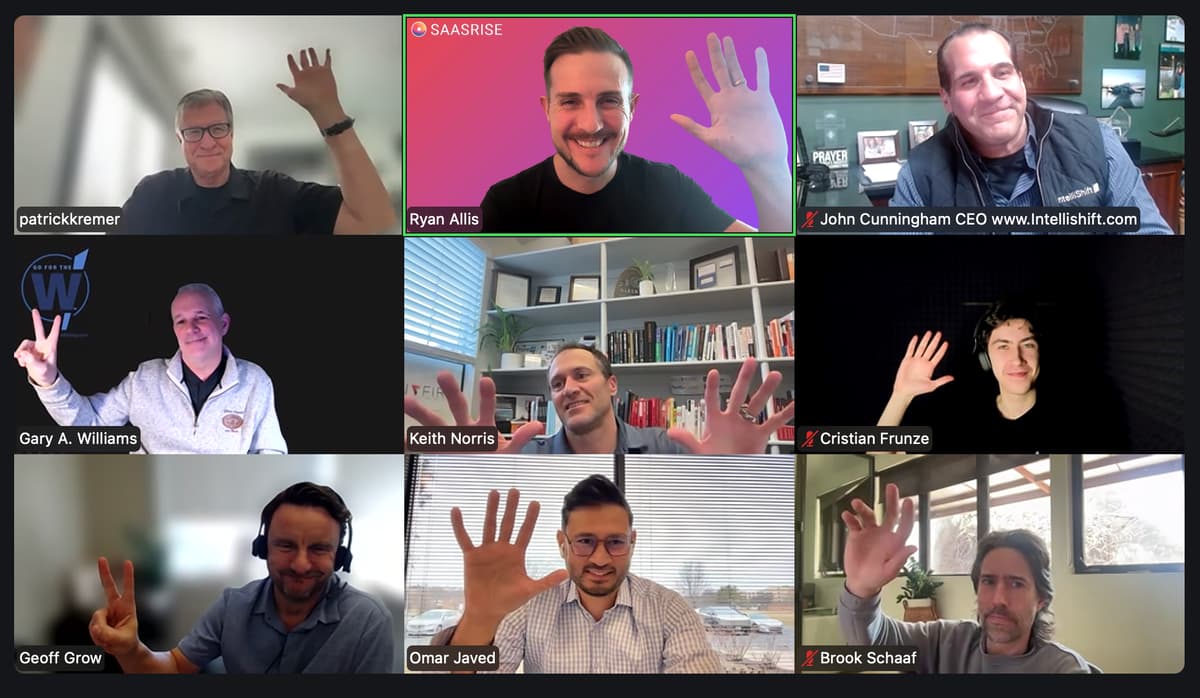
SaasRise Enterprise Mastermind Call Recap Feb 24, 2026
0
Comments
Want to join the conversation?
Loading comments...