Swedish Startup TrialMe Is Fixing the Data Gap that Keeps Women Out of Clinical Trials
•December 18, 2025
0
Companies Mentioned

Why It Matters
By increasing female participation, TrialMe can generate sex‑stratified data that improves diagnosis, dosing, and safety for half the population, accelerating more inclusive drug development.
Key Takeaways
- •Women comprise half population but are under‑represented in trials
- •TrialMe app streamlines pre‑screening, reducing recruitment costs
- •Phase‑specific dosing could reshape medication guidelines
- •EU regulation now mandates gender‑balanced trial populations
- •Pilot studies target menstrual cycle effects on mental‑health drugs
Pulse Analysis
The exclusion of women from clinical research has left a critical evidence gap, especially for conditions that disproportionately affect them such as autoimmune disorders, migraine, and cardiovascular disease. Although the U.S. NIH mandated inclusion of women in 1993, many studies remain exempt, and only in 2022 did the EU amend its Clinical Trials Regulation to require gender‑balanced enrolment unless scientifically justified. This regulatory shift underscores a growing recognition that sex‑based differences can alter disease presentation, treatment response, and adverse‑event profiles, making inclusive data essential for accurate medical guidance.
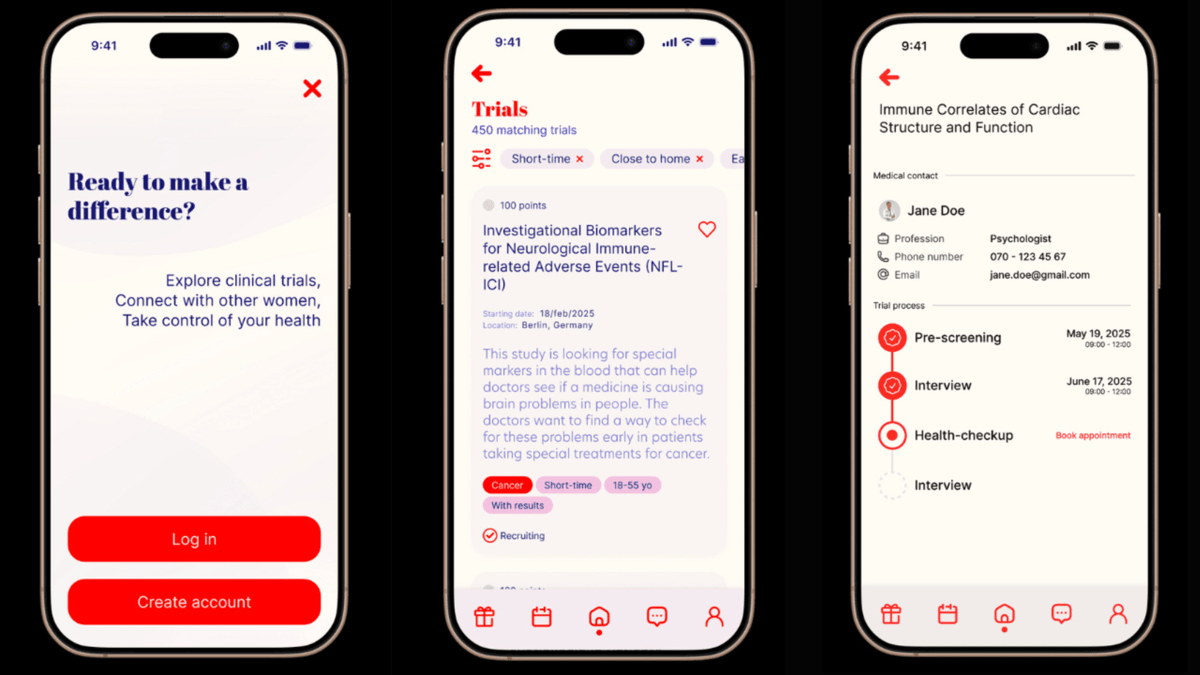
TrialMe tackles the recruitment bottleneck by turning the trial‑search process into a frictionless mobile experience. Users receive algorithm‑matched notifications, complete digital pre‑screening, and earn points redeemable for health‑related perks, while sponsors gain access to a verified pool of engaged female participants. By filtering out ineligible candidates early, the platform can shave weeks off enrolment timelines and lower the typical 40% recruitment cost share of a trial’s budget. Early pilots targeting depression and anxiety drugs during different menstrual phases illustrate how streamlined recruitment can also accelerate hypothesis‑driven research.
Beyond drug trials, TrialMe’s model promises to democratise testing for digital health tools and at‑home diagnostics, ensuring women’s data inform product efficacy and safety. If phase‑specific dosing proves viable, it could trigger a re‑evaluation of existing therapeutics and inspire personalized prescribing guidelines. The startup’s recent win in a Tesla Ventures pitch and participation in European incubators signal investor confidence, while its roadmap to expand globally aims to address broader demographic under‑representation. Ultimately, TrialMe could catalyse a shift toward truly representative clinical evidence, benefiting patients, regulators, and the pharmaceutical industry alike.
Swedish startup TrialMe is fixing the data gap that keeps women out of clinical trials
0
Comments
Want to join the conversation?
Loading comments...