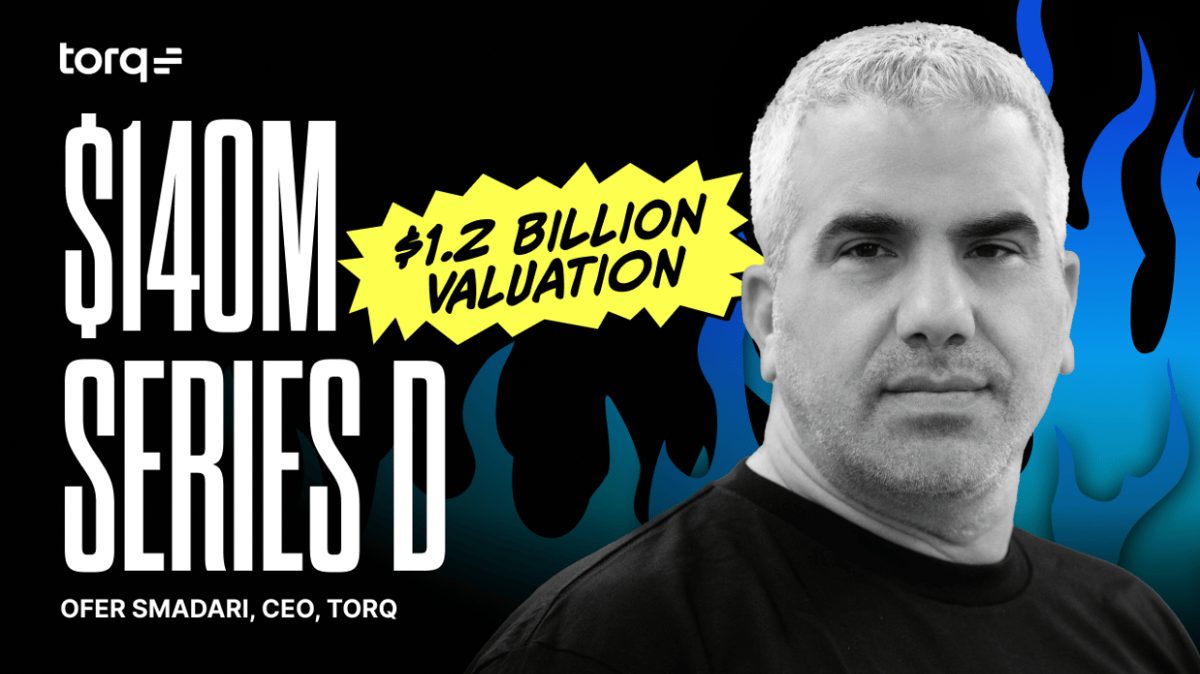
Torq Raises $140M at $1.2B Valuation to Scale AI-Driven Security Hyperautomation
•January 11, 2026
0
Companies Mentioned


Why It Matters
The infusion underscores growing investor confidence in AI‑enabled security operations, promising faster threat response and reduced reliance on scarce security talent. As organizations seek scalable SOC solutions, Torq’s platform could become a benchmark for autonomous cyber defense.
Key Takeaways
- •Torq raised $140M, valuation $1.2B.
- •AI agents automate alerts, triage, remediation.
- •No-code, agentless platform integrates across security stack.
- •Customers include Marriott, PepsiCo, Uber, Siemens.
- •Funding accelerates global go‑to‑market expansion.
Pulse Analysis
Enterprises face escalating cyber threats and talent shortages, prompting a shift toward automated security operations. Traditional SIEM and SOAR tools often require manual playbooks and extensive scripting, limiting scalability. The rise of AI‑driven hyperautomation promises to bridge this gap by combining real-time data enrichment with autonomous decision‑making. Analysts predict that by 2028, AI‑augmented SOCs will handle the majority of routine alerts, freeing analysts for strategic work. In this environment, platforms that can integrate across heterogeneous security stacks without code are gaining traction.
Torq’s platform embodies this trend with a no‑code, agentless architecture that connects to existing SIEM, EDR, identity, and firewall solutions. Its AI agents act as virtual analysts, triaging alerts, enriching context, and executing remediation steps autonomously, while escalating ambiguous cases to human operators. By leveraging multi‑agent collaboration, Torq can adapt playbooks to evolving threat contexts, reducing false positives and response times. Early adopters such as Marriott, PepsiCo, and Uber report millions of automated actions daily, evidencing tangible efficiency gains and improved security postures.
The $140 million Series D, led by Merlin Ventures, pushes Torq’s valuation to $1.2 billion and brings total funding to $332 million, underscoring investor confidence in AI‑centric security solutions. This capital infusion will accelerate go‑to‑market initiatives, expand global partnerships, and fund further AI research to enhance agentic capabilities. As more enterprises adopt hyperautomation, competitors will need to match Torq’s integration‑first, no‑code approach or risk losing market share. The funding round signals a broader industry pivot toward autonomous SOC platforms, likely reshaping cybersecurity staffing models and driving faster, more resilient threat mitigation.
Torq raises $140M at $1.2B valuation to scale AI-driven security hyperautomation
0
Comments
Want to join the conversation?
Loading comments...