Companies Mentioned


Why It Matters
The rollout spotlights a clash between heightened security ambitions and privacy, accuracy, and cost concerns that could reshape how K‑12 institutions allocate safety budgets.
Key Takeaways
- •Beverly Hills High spent $4.8M on AI surveillance system.
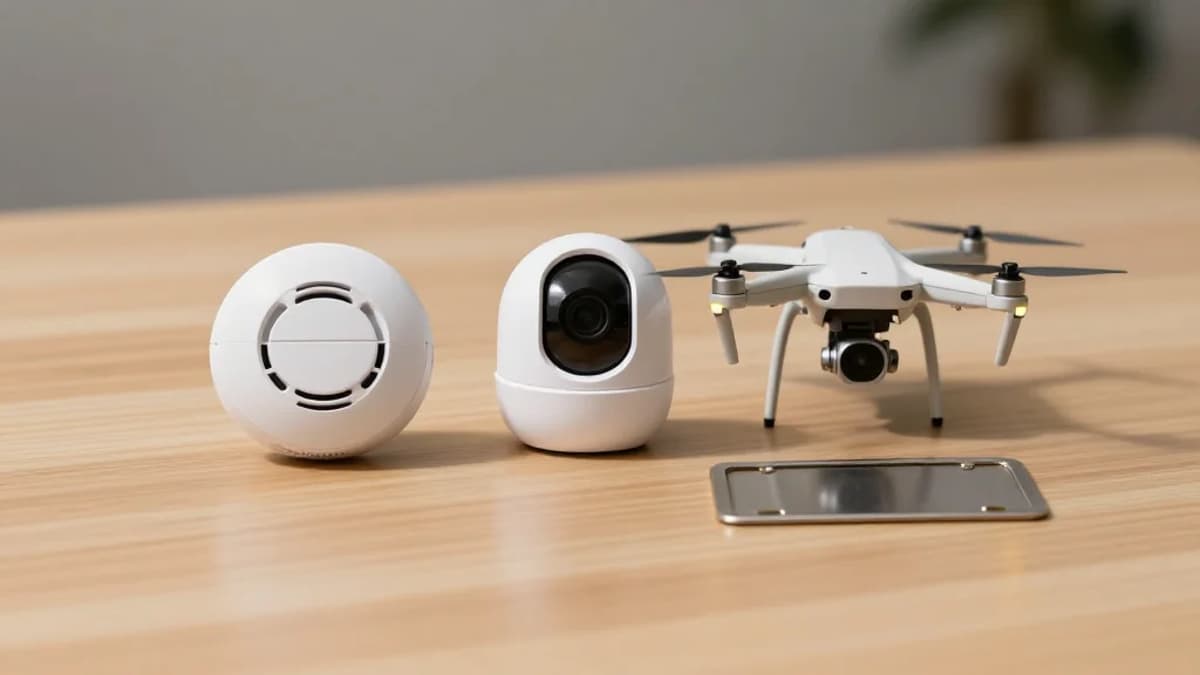
- •System includes facial recognition, drones, listening devices, license plate readers.
- •ACLU finds most school shootings occur despite existing cameras.
- •Evolv reprimanded by FTC for inaccurate weapon detection claims.
- •Some districts replace surveillance spend with defibrillators and SUVs.
Pulse Analysis
The surge in AI‑powered surveillance across U.S. schools reflects a desperate response to an alarming rise in campus shootings. Districts are pouring millions into hardware and software that promise real‑time threat identification, from facial‑recognition cameras that track student movements to drones that patrol perimeters. Proponents argue that these tools create a deterrent effect and enable faster law‑enforcement response, especially in high‑visibility locations like Beverly Hills High, where community expectations for safety are particularly intense.
However, the technology’s track record raises serious doubts. Independent audits, such as the 2023 ACLU report, reveal that the majority of mass shootings still occur at schools already equipped with cameras, suggesting that visibility alone does not prevent violence. Vendors like Evolv have been penalized by the FTC for claiming universal weapon detection while misclassifying everyday objects as firearms, leading to false alarms that can traumatize students and waste police resources. Privacy advocates also warn that constant monitoring erodes trust and may disproportionately target marginalized groups, fueling a climate of surveillance fatigue.
The mixed results are prompting a reevaluation of safety spending. Some districts are redirecting funds toward tangible resources—defibrillators, emergency medical kits, and mobile safety teams—rather than speculative AI solutions. This shift underscores a broader industry debate: whether to prioritize high‑tech deterrents or invest in proven, low‑tech interventions that address immediate health and security needs. As policymakers grapple with budget constraints and civil‑rights considerations, the future of school safety may hinge on balancing innovative surveillance with accountable, evidence‑based practices.
Welcome To America's New Surveillance High Schools
0
Comments
Want to join the conversation?
Loading comments...