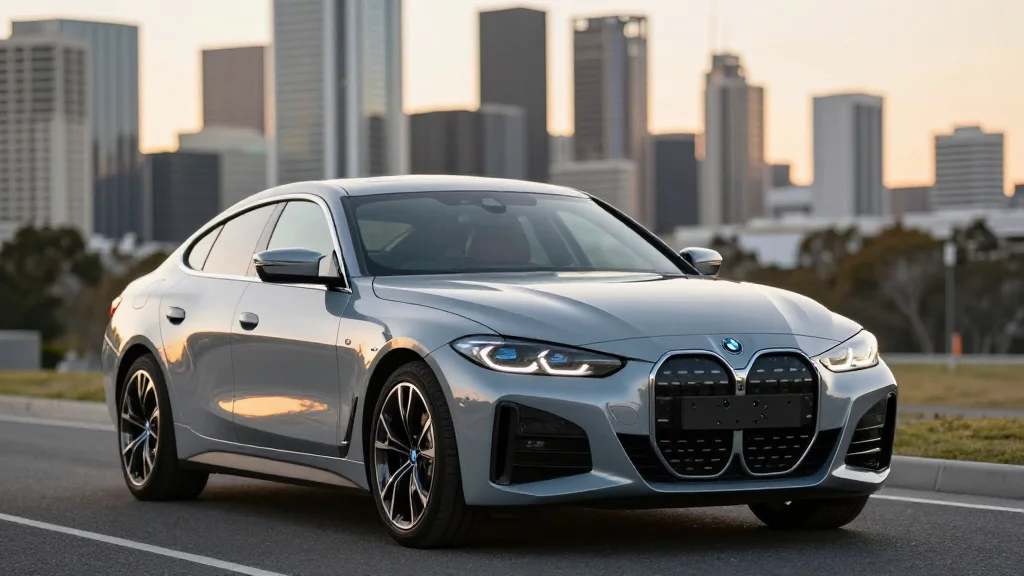
BMW Lifts 2026 I4 Price by $1,100 While Staying Under Luxury Tax Threshold

Companies Mentioned
Why It Matters
The price increase and tax‑friendly positioning of the BMW i4 illustrate how automakers are using fiscal policy levers to shape consumer behavior in the fast‑growing EV segment. By keeping the i4 under the Luxury Car Tax threshold, BMW protects a lucrative lease market that accounts for a significant share of Australian EV sales. The move also pressures rivals to consider similar pricing strategies or risk losing corporate fleet business, potentially reshaping the competitive dynamics of the region’s electric‑vehicle market. Furthermore, the i4’s modest price hike signals that manufacturers can extract additional margin without alienating price‑sensitive buyers, provided they preserve key tax benefits. As governments worldwide adjust incentives and tax structures for clean‑energy vehicles, the BMW case offers a template for how brands might navigate policy environments to sustain sales growth.
Key Takeaways
- •BMW raises the 2026 i4 eDrive35 price to $88,900, a $1,100 increase.
- •The i4 remains below Australia's Luxury Car Tax threshold, preserving FBT exemption for novated leases.
- •Mid‑life update adds range and M Sport package while keeping the car tax‑friendly.
- •Competitors like Tesla and Polestar have introduced larger price hikes this year.
- •BMW plans to replace the i4 with a next‑generation i3 sedan built on the Neue Klasse platform.
Pulse Analysis
BMW’s pricing maneuver reflects a broader industry trend: leveraging tax policy to sustain sales momentum in a market where price elasticity is high. The Australian EV segment is still in its growth phase, and corporate lease programs represent a stable revenue stream. By nudging the i4 price upward just enough to improve margins, yet staying under the LCT ceiling, BMW demonstrates a nuanced understanding of the cost‑benefit calculus that corporate buyers perform. This approach may become a playbook for other manufacturers seeking to balance profitability with the need to keep EVs financially attractive.
Historically, luxury‑car tax thresholds have acted as invisible price caps for fleet sales. When a model breaches the limit, the effective cost to the buyer can rise dramatically, eroding demand. BMW’s decision to keep the i4 safely under the line suggests confidence that the added features and modest price rise will not deter lease customers. However, the upcoming i3 sedan, projected to push the envelope on range and price, could force a recalibration of this strategy. If the new i3 exceeds the LCT limit, BMW may need to introduce a separate, lower‑priced variant or negotiate new corporate lease structures to retain market share.
In the longer term, the interplay between tax policy and EV pricing could shape the competitive hierarchy in Australia. Brands that can engineer high‑value, tax‑efficient offerings will likely dominate fleet sales, while those that price aggressively without regard to tax implications may capture the retail consumer segment but lose out on the lucrative corporate channel. BMW’s current move is a calculated bet that the corporate lease market will remain a cornerstone of its Australian EV sales, even as consumer preferences shift toward higher‑range, premium models.
BMW lifts 2026 i4 price by $1,100 while staying under luxury tax threshold
Comments
Want to join the conversation?
Loading comments...