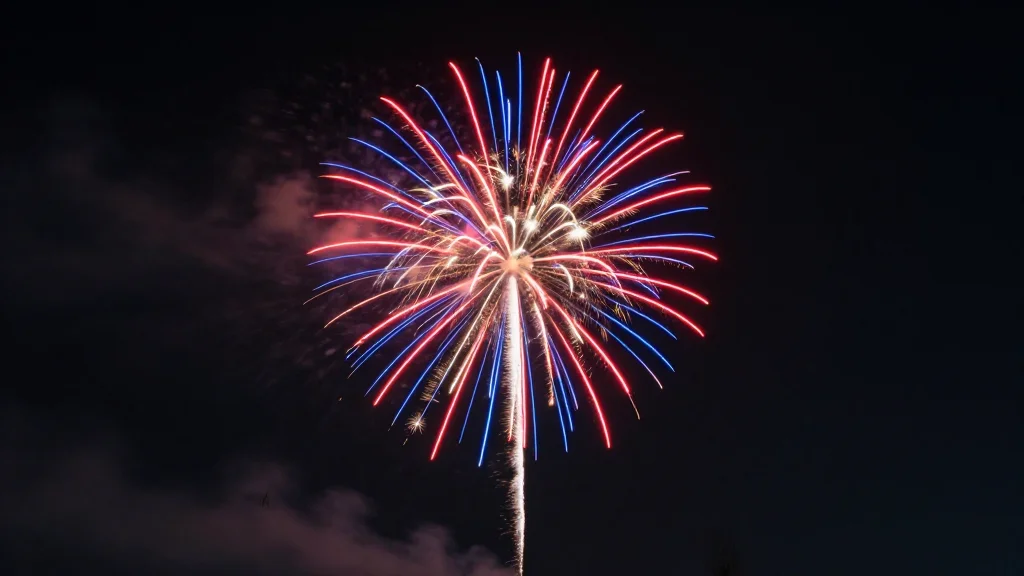
Fireworks Retailers Brace for Record Fourth of July Sales Amid Safety Concerns

Why It Matters
The Fourth of July represents the single most important sales window for the U.S. fireworks industry, accounting for a sizable share of annual revenue. A record‑breaking sales season can boost retailer earnings, expand supply chains and spur innovation in product offerings. However, the same demand spike amplifies safety risks, especially in drought‑prone regions where stray fireworks can ignite wildfires. Balancing commercial objectives with public safety will influence consumer confidence, regulatory scrutiny, and the long‑term viability of the market. If fire officials succeed in curbing illegal fireworks and retailers effectively promote safe usage, the industry could see sustained growth and stronger brand trust. Conversely, a surge in injuries or wildfire incidents could trigger stricter state regulations, higher compliance costs, and a potential decline in consumer willingness to purchase fireworks, reshaping the sales dynamics for years to come.
Key Takeaways
- •Phantom Fireworks expects its "greatest sales ever" for the Fourth of July, driven by a 20% inventory increase.
- •Julie Heckman (American Pyrotechnic Association) calls this the "grandest 4th of July in 50 years."
- •Firework‑related injuries rose 52% year‑over‑year, according to the Consumer Product Safety Commission.
- •California State Fire Marshal Daniel Berlant warns of an "unusually busy summer" amid drought conditions.
- •Retailers are launching safety initiatives, including free safety kits for purchases over $100.
Pulse Analysis
The fireworks market is entering a rare inflection point where demand, supply chain agility, and regulatory pressure intersect. Historically, the Fourth of July has been a predictable revenue driver, but this year’s unprecedented consumer enthusiasm—fueled by post‑pandemic outdoor gatherings—has forced retailers to adopt more sophisticated inventory and pricing strategies. Dynamic pricing, once a niche tool for niche fireworks, is now mainstream, allowing chains like Phantom to capture premium margins while still offering early‑bird discounts to price‑sensitive shoppers.
At the same time, the safety narrative is reshaping the competitive landscape. Retailers that embed safety messaging into the sales funnel can differentiate themselves and potentially mitigate liability. Phantom’s "Safe Spark" program is a strategic response that aligns brand reputation with public‑policy goals, a move that could become an industry standard if it proves effective in reducing injury rates. Meanwhile, fire officials are leveraging data on illegal fireworks to justify tighter enforcement, which could constrain the supply of low‑cost, high‑risk products that traditionally drive volume sales.
Looking forward, the sector’s growth will likely hinge on three variables: (1) the ability of retailers to balance inventory expansion with real‑time demand forecasting; (2) the effectiveness of public‑education campaigns in curbing unsafe usage; and (3) the regulatory response to any wildfire incidents that occur during the peak period. Companies that can integrate advanced analytics, safety compliance, and community outreach will not only capture a larger slice of this seasonal market but also set the tone for a more sustainable, responsible fireworks industry.
Fireworks retailers brace for record Fourth of July sales amid safety concerns
Comments
Want to join the conversation?
Loading comments...