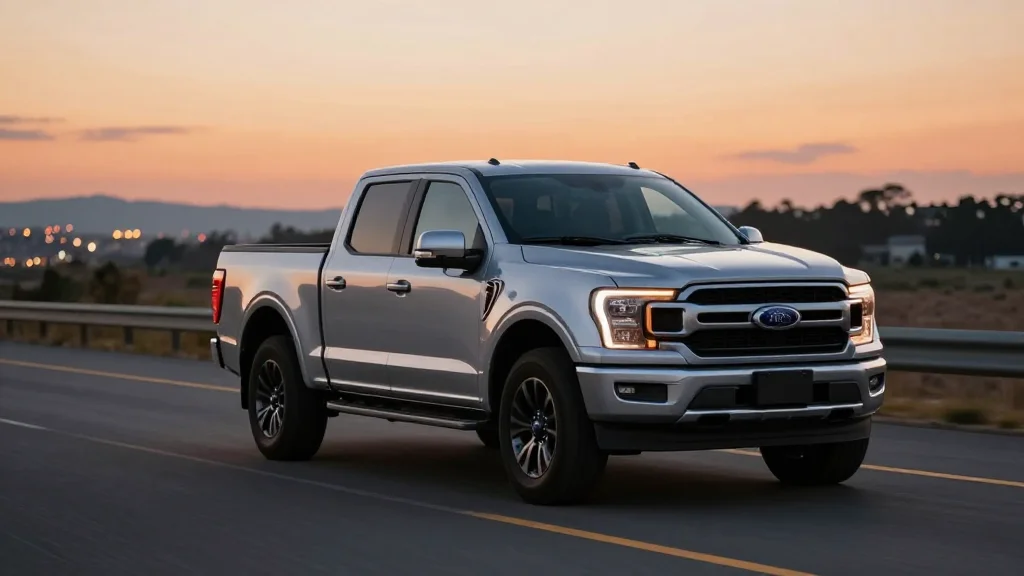
Ford’s April 2026 Sales Tumble 14.4% YoY to 178,667 Vehicles

Companies Mentioned
Why It Matters
Ford’s sales contraction offers a micro‑cosm of the challenges facing large‑scale B2C automotive sales teams: managing incentive spend, navigating inventory glut, and adapting to a consumer mix that is increasingly price‑sensitive. The dip also pressures other OEMs to reassess their own pricing and promotional calendars, especially as the post‑tariff buying frenzy fades. For sales leaders, the episode underscores the importance of real‑time pipeline visibility and flexible pricing tactics. Companies that can quickly calibrate incentives to shifting demand signals may preserve market share, while those locked into rigid discount structures risk eroding margins in a tightening market.
Key Takeaways
- •Ford sold 178,667 vehicles in April 2026, down 14.4% YoY.
- •EV sales fell ~25% and hybrid sales dropped nearly 33% YoY.
- •F‑Series trucks declined 14.7%; SUVs fell 15.9% YoY.
- •Incentive spending rose 2.8% YoY but remained 11% lower than March.
- •Ford re‑introduced employee‑pricing discounts for new 2025‑2026 models through July 6.
Pulse Analysis
Ford’s April slide is less a surprise than a symptom of a market that over‑compensated for tariff risk in 2025. The surge in dealer incentives and aggressive pricing that drove a 16.2% YoY sales jump last April created an artificial baseline that is now receding. As the tariff threat evaporated, consumers returned to more disciplined purchasing behavior, exposing the fragility of volume‑driven growth models.
The broader implication for the sales function is the growing need for data‑driven demand forecasting. Traditional calendar‑based promotions are losing potency when macro‑economic variables shift rapidly. Ford’s decision to revive employee pricing reflects a shift toward value‑based incentives that can be deployed quickly and measured for lift. Competitors that can integrate real‑time inventory, pricing elasticity, and consumer sentiment into their sales execution will likely capture the incremental share left behind by slower adopters.
Going forward, the industry will watch Ford’s July 6 incentive cutoff as a litmus test. If wholesale volumes stabilize or improve, it could validate a hybrid approach of modest incentive spend paired with targeted pricing. If not, it may accelerate a broader re‑thinking of the mid‑cycle refresh strategy, prompting OEMs to prioritize cost‑efficient engineering over high‑margin model rollouts. Either outcome will reshape B2C automotive sales playbooks for the next fiscal year.
Ford’s April 2026 sales tumble 14.4% YoY to 178,667 vehicles
Comments
Want to join the conversation?
Loading comments...